GAMING RIGS OF YESTERYEAR AND THE MYSTERY OF MULTIPLE GRAPHICS CARDS
The once-celebrated era of dual Graphics Processing Units (GPUs) on a single motherboard appears to be a phantom limb in today's computing landscape. A glance at recent motherboard discourse reveals a focus on singular, potent graphical power, with scant mention of configurations designed for tandem graphics processing. This shift leaves a considerable chunk of the gaming community pondering the practicalities and the very possibility of revisiting such multi-GPU setups.
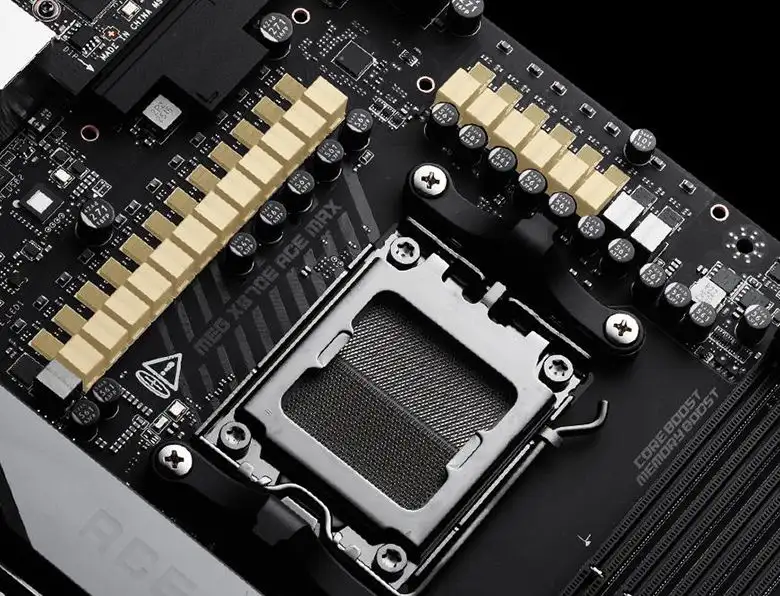
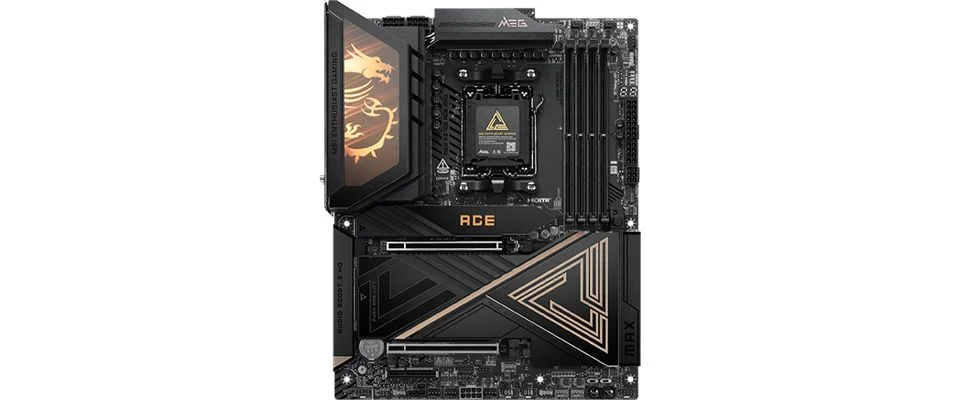
The current emphasis on motherboard architecture, as seen in examinations of models like the ASRock Z890 Taichi Lite and Gigabyte’s Z790 Aorus Xtreme, highlights integrated connectivity and single-GPU prowess. These platforms seem to assume a solitary, high-performance graphics card as the norm, dedicating ample PCIe real estate to accommodate this single behemoth. This architectural inclination is reflected in the guidance surrounding PC builds, where budget allocation often prioritizes the most capable single GPU, rather than the expense of a secondary unit.
The Ghost of SLI and CrossFire
The practicalities of running two graphics cards in unison, technologies like NVIDIA's SLI (Scalable Link Interface) and AMD's CrossFire, seem to have faded from common discussion. These frameworks, which once promised enhanced visual fidelity and frame rates, are now largely absent from motherboard specifications and gaming benchmarks.
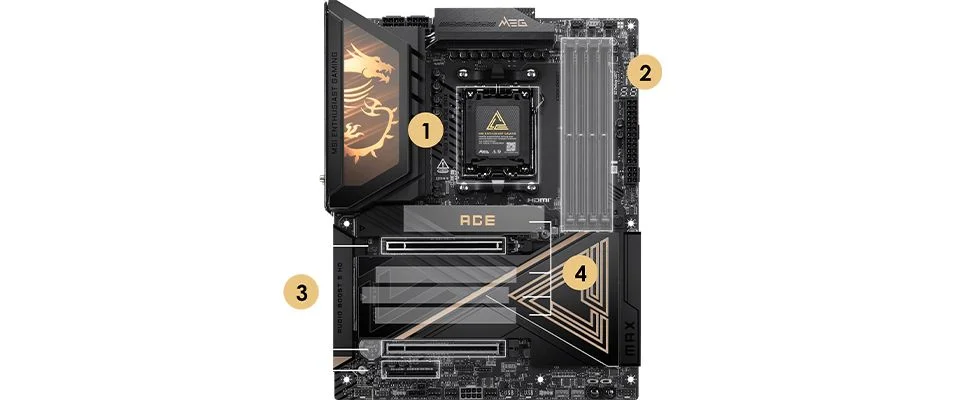
The very components that facilitated these multi-GPU arrangements – the specialized PCIe slots and intricate software support – are no longer prominently featured. Instead, motherboard manufacturers are streamlining designs, focusing on efficient single-GPU interfacing and robust onboard features. The discussion around the "best motherboards 2026" pivots on socket types (like INTEL B850 and Z790) and chipsets, with integrated solutions and single-card acceleration being the prevailing themes.
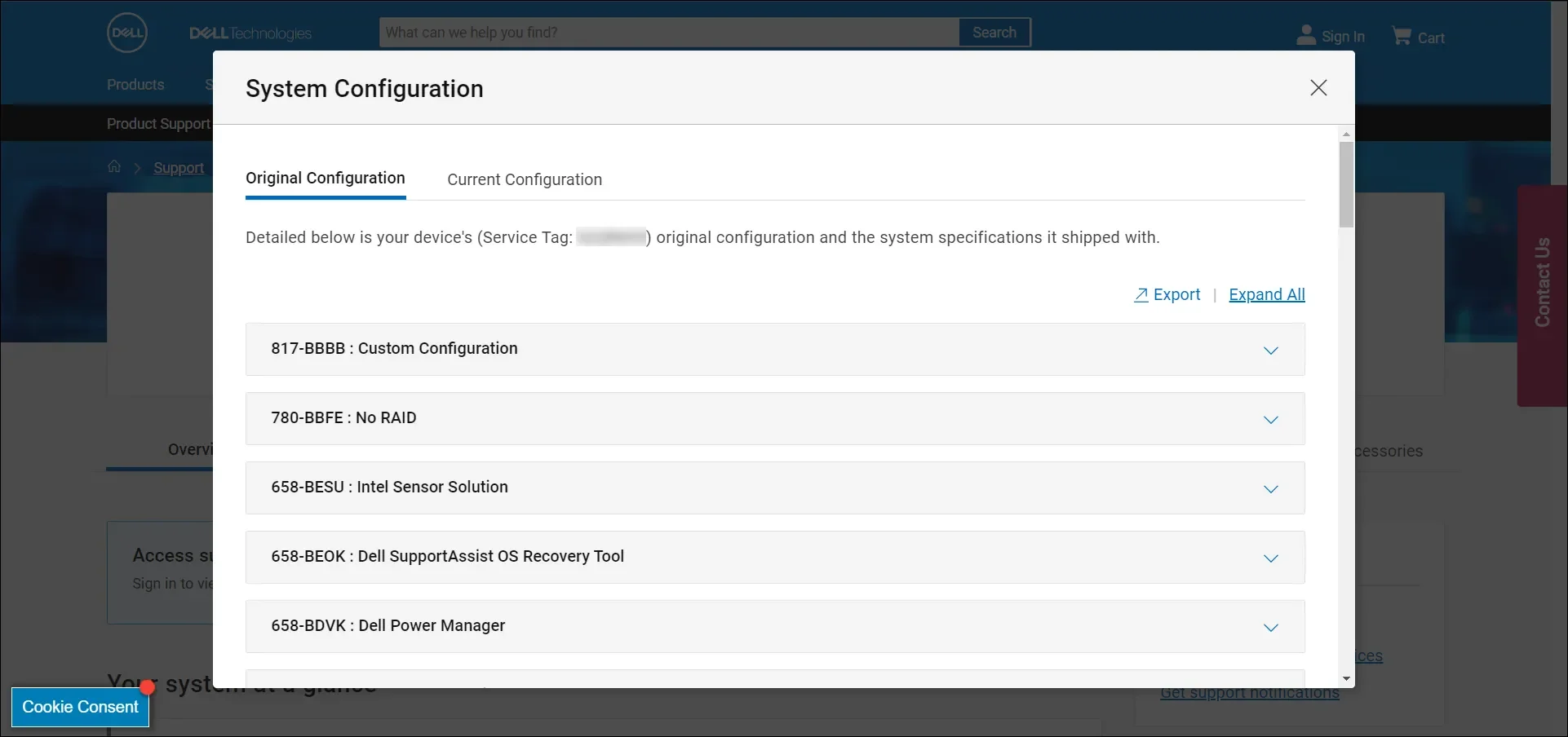
Read More: Dell Support Site Shows How To Check Computer Hardware Details
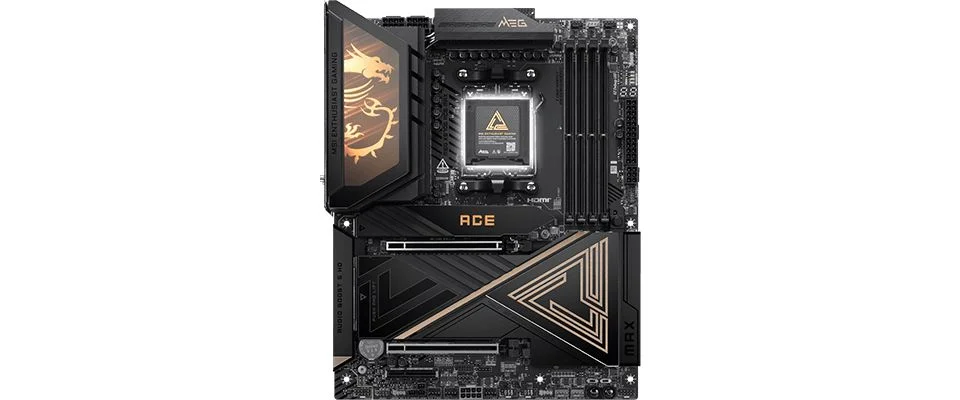
Motherboard's Central Role: A Static Hub?
At its core, the motherboard remains the essential "nervous system" of any personal computer. Its slots, including the crucial PCIe slots, are where vital components like the processor (CPU) and graphics cards connect. M.2 slots provide direct pathways for storage. The investment in this central board is often estimated at 10 to 15 percent of the total PC budget, underscoring its fundamental importance. However, the implication from current market offerings is that this budget is now predominantly channeled towards maximizing the output of a single graphics processing unit.
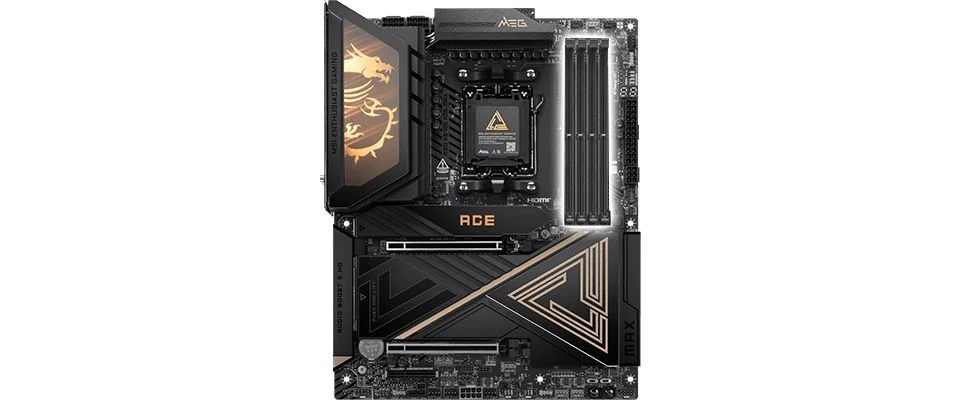
The technical manuals and marketing materials for contemporary motherboards, such as those highlighting ASRock B760M Steel Legend Wi-Fi for non-overclockers, guide users toward a singular high-performance path. The notion of dedicating resources to a second GPU seems an artifact of a bygone era, a technical path not presently trod by mainstream motherboard design or consumer expectation.
Read More: RTX 5090 Launched: Costs $1999, 70% Faster Than 4090