Global Race for EV Batteries Intensifies
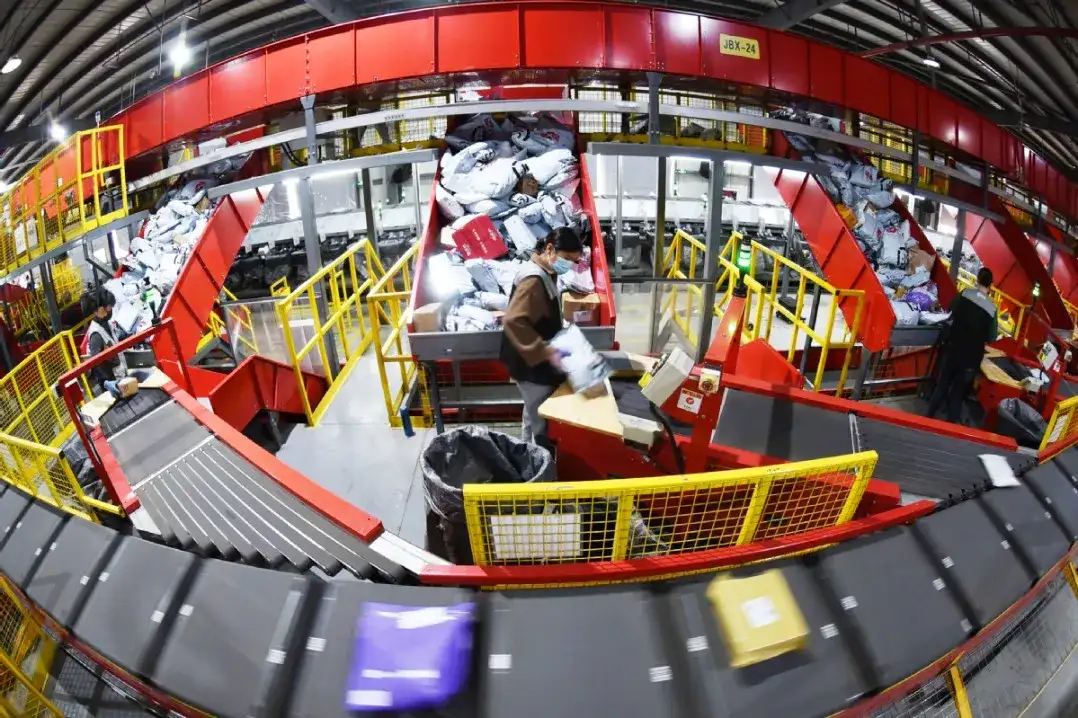
The world's electric vehicle (EV) market is undergoing a significant shift, with Chinese battery manufacturers rapidly expanding their influence and market share. Companies like CATL, BYD, Gotion, and EVE Energy are not only dominating production but also introducing advanced technologies that challenge established global players. This rise is happening amidst geopolitical tensions and a broader race for technological supremacy, raising questions about the future landscape of the automotive and energy sectors.
Advancements and Market Dominance
Chinese companies are at the forefront of innovation in battery technology.
CATL, the world's largest EV battery producer, has unveiled its upgraded Shenxing battery, promising over 67 EV models this year and a full range of 500 miles. They also introduced the Naxtra sodium-ion battery, touted for its affordability and safety, potentially lowering production costs due to the abundance of sodium. This launch followed a similar disruptive announcement from rival BYD.
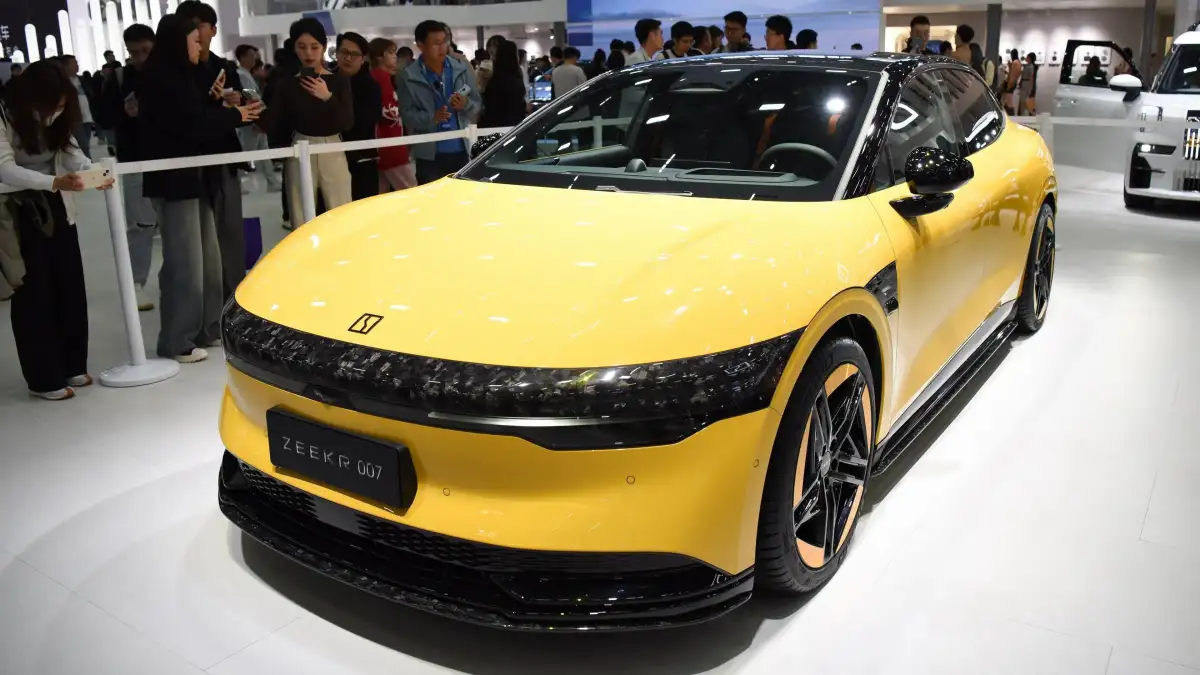
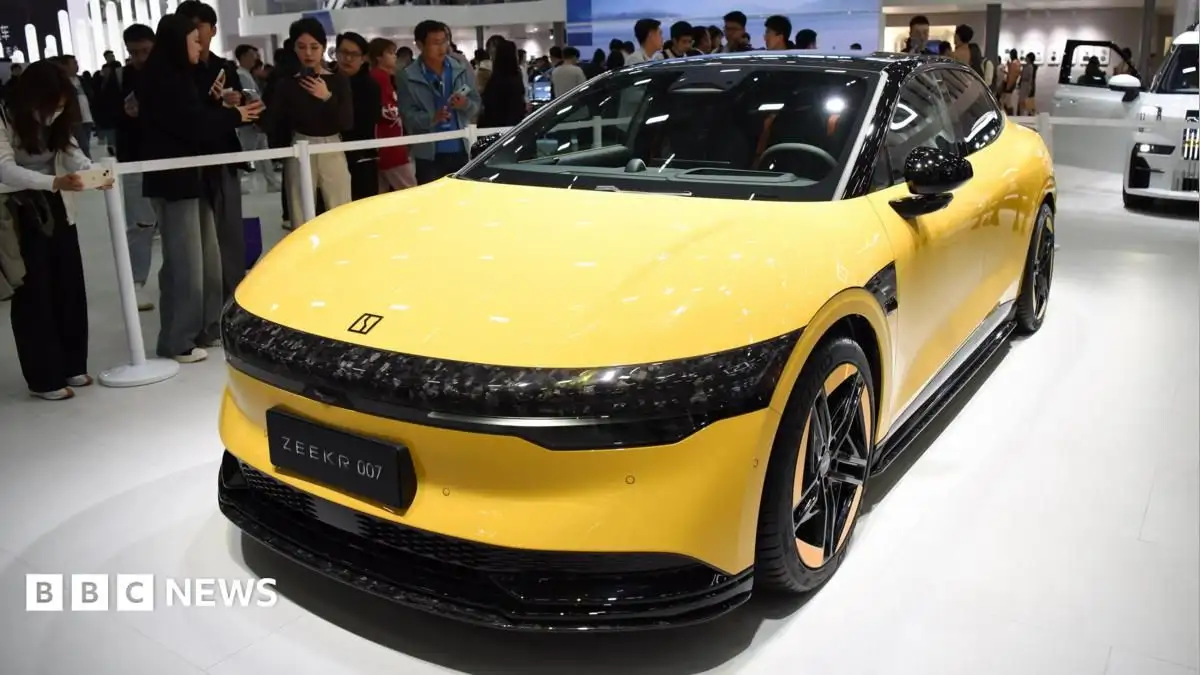
Zeekr, a Chinese car maker, claims to have developed the world's fastest-charging EV battery, surpassing leaders like Tesla and BYD. Industry commentators suggest that while brands like BYD focus on sales volume, others like Zeekr are prioritizing the charging experience.
Several Chinese battery firms hold significant global market share:
CATL: 38.2%
BYD: 16.7%
CALB Group: 4.9%
Gotion High-Tech: 4.3%
EVE Energy: 2.7%
SVOLT (Honeycomb Energy): 2.6%
International Recognition and Political Engagement
The growing prominence of Chinese battery firms is drawing attention from international leaders. French President Macron has publicly acknowledged the contributions of a Chinese battery plant in Douai, even signing the first battery produced there. This signals a willingness in some regions to integrate Chinese technology and manufacturing capabilities.
Read More: Chrome mimeHandler API lets extensions handle file types

Geopolitical Context and Market Strategies
The expansion of Chinese EV batteries occurs within a broader context of US-China technological rivalry.
While the United States has voiced concerns, with some officials criticizing policies that allow Chinese cars into markets, other regions are exploring different approaches. The United Kingdom, for instance, has not imposed additional tariffs on Chinese EVs.
Some Chinese commentators suggest that removing EU tariffs on Chinese EVs would be a pragmatic decision for European markets.
The global energy and manufacturing balance is perceived by some analysts as shifting decisively towards China, partly influenced by these technological advancements and international trade dynamics.
Technological Prowess and Market Disruption
Chinese battery manufacturers are distinguished by their rapid innovation and competitive pricing.
CATL's batteries are noted for offering some of the fastest charging speeds globally, with their Shenxing Superfast Charging Battery capable of adding 323 miles of range in just five minutes. These batteries also reportedly perform well in freezing temperatures.
The affordability and speed of these batteries are cited as key factors in the rapid growth of the Chinese EV market, now the world's largest.
Experts observe that Chinese brands are pushing the boundaries of charging technology, potentially leaving established competitors needing to adapt.
Expert Observations on the Competitive Landscape
Industry watchers highlight the dynamic and fierce nature of competition within China.
"Tesla’s charging technology is not industry leading anymore and has not been for some time," stated Tu Le, founder and managing director of Sino Auto Insights, in relation to Zeekr's claims.
Mark Rainford, a China-based car industry commentator, noted the varied strategies of Chinese brands: "The competition in China is incredibly fierce and while brands like BYD prioritise scale and sales, brands like Zeekr, Li [Auto] and Nio are focused on maximising the charging experience."
CATL's success is attributed to its founder's adaptability: the company is described as "astute enough to read government policy tea leaves and paranoid enough to always thrive, not die, under pressure.”
Findings and Implications
The evidence indicates a substantial and growing influence of Chinese battery technology on the global automotive industry.
Market Share: Chinese firms, led by CATL and BYD, command a significant and increasing portion of the global battery market.
Technological Leadership: Companies are introducing groundbreaking advancements in charging speed, range, and cost-effectiveness, challenging existing leaders.
Geopolitical Influence: The rise of Chinese battery manufacturers is occurring within a complex international environment, marked by technological competition and varying trade policies across different nations.
Industry Transformation: These developments are a key driver behind the expansion of the EV market, particularly in China, and are likely to reshape global supply chains and technological standards in the coming years.
Sources Used:
Wired: Published Jan 20, 2026. Discusses the increasing global presence and impact of Chinese EV battery plants, noting political engagement and questions about benefits and exploitation.
CNN Business: Published Apr 22, 2025. Details CATL's unveiling of its upgraded Shenxing battery and a new sodium-ion battery, highlighting performance claims and competitive positioning against BYD.
Link: https://edition.cnn.com/2025/04/22/cars/china-catl-ev-battery-upgrade-intl-hnk/index.html
BBC News: Published Aug 14, 2024. Reports on Zeekr's claim of developing the world's fastest-charging EV battery and includes expert commentary on the competitive landscape.
Asia Times: Published Jan 27, 2026. Examines the growing market share of Chinese EVs and batteries globally, linking it to international trade policies and shifts in the global energy balance. Includes market share data for key companies.
Link: https://asiatimes.com/2026/01/chinese-evs-batteries-gain-world-market-share-as-trump-backs-oil/
Malay Mail: Published May 20, 2025. Focuses on CATL's success, its technological innovations (Shenxing battery charging speeds), and its global expansion ambitions amidst US-China tech rivalry.