At the 2026 Milan Cortina Winter Olympic Games, a series of claims about rule breaks in curling matches involving the Canadian team has led to significant discussion. Opposing teams from Sweden and Switzerland have stated that Canadian players touched their stones a second time after they had passed a specific line, an action known as a "double-touch." This move can give a player an unfair edge. While Canadian players deny these claims, and officials state they did not see the actions, the events have caused many to talk about the sport's rules and its fair play traditions. This situation highlights how small actions can create big talks in top-level sports.

Events and Players Involved
During the 2026 Winter Olympics, several instances led to claims of rule breaking:
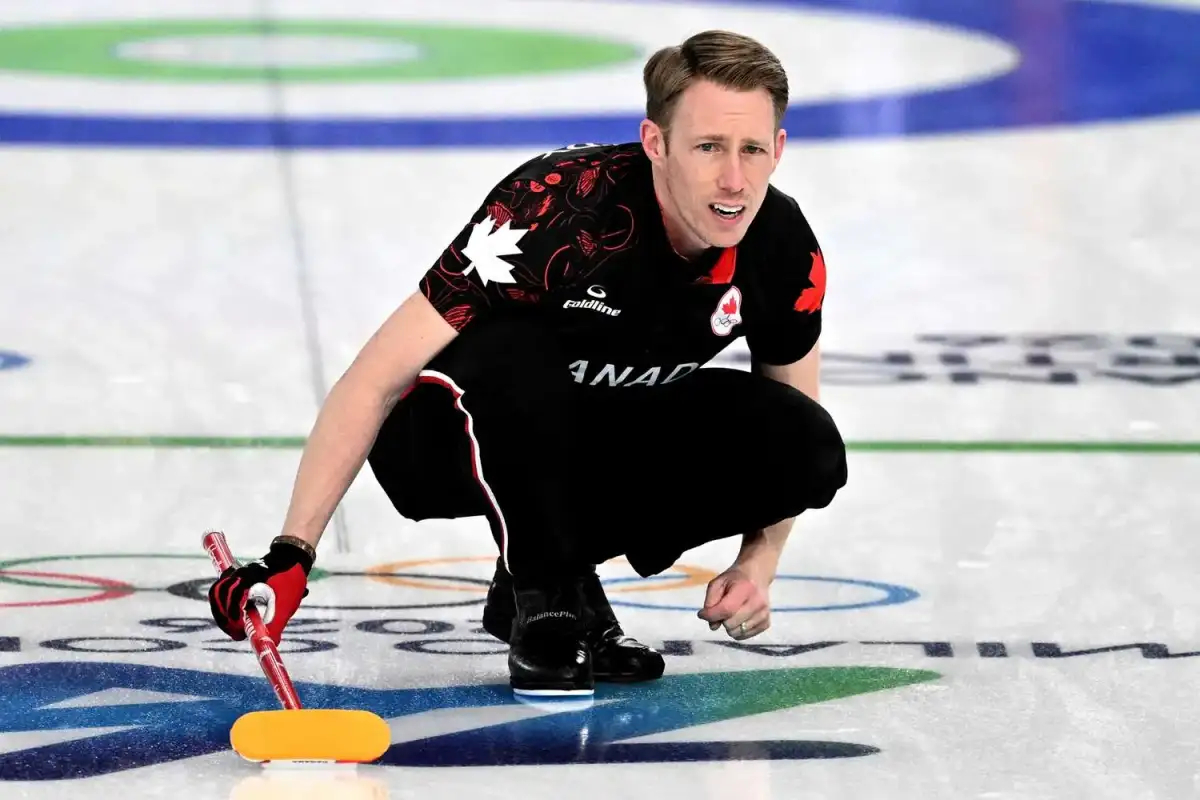
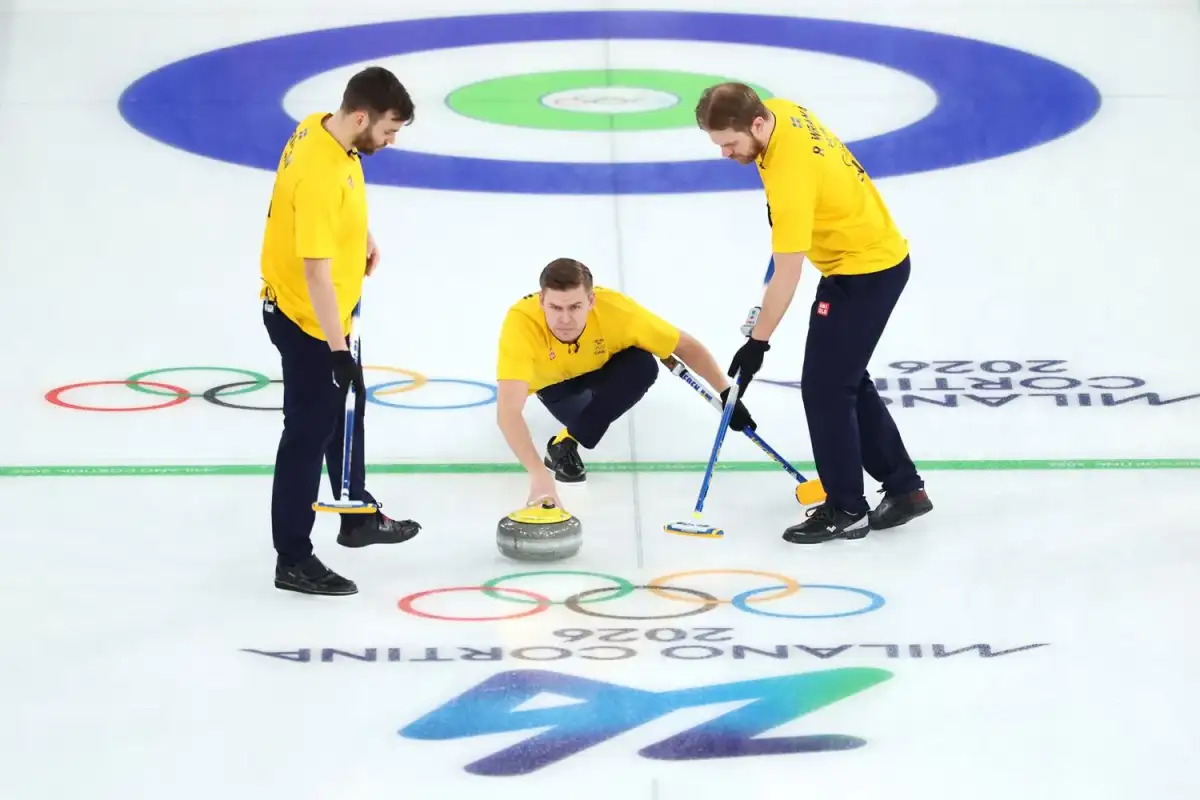
Men's Match (Canada vs. Sweden): Sweden's Oskar Eriksson and Niklas Edin stated that Canada's Marc Kennedy touched his stone twice after it crossed the hog line. This happened during their game, which Canada won 8-6.
Kennedy's Reaction: After the match, Marc Kennedy used strong language when Oskar Eriksson asked him about the claims. Kennedy later got a spoken warning from officials for his words.
Kennedy's Denial: Marc Kennedy said he did not break any rules, though he admitted his talk could have been better.
Swiss Team's Concerns: The Swiss men's team also told umpires during a match that a Canadian player might be double-touching, according to Swiss coach Glenn Howard.
Women's Team: Later, Canada's women's captain Rachel Homan was also said to have used a similar move.
New Images: Aftonbladet, a newspaper, later showed pictures that seem to show Canada's captain Brad Jacobs touching the granite of his stone during its forward motion.
Evidence Shared
"There is not a single double touch out there that is done intentionally to cheat." - Marc Kennedy (Canadian curler)
"I can guarantee that there is not a single double touch out there that is done intentionally to cheat." - Jennifer Jones (Former Olympic curling champion)
Swedish Team's Claims: Oskar Eriksson said he had told officials about these actions in two past games. Swedish TV showed him footage.
Official Review: World Curling stated it looked at the match and found no rule breaks that were missed.
Officials' View: Officials working at the ends of the ice said they did not see any rule breaks, so they could not call them.
Stone Sensor: In two matches, Marc Kennedy's stones showed a green light, meaning they were released correctly.
Published Images: Photos from Aftonbladet taken by Pontus Orre appear to show Canada's captain Brad Jacobs touching the stone's granite as it moved.
Deep Dives
The "Double-Touch" Rule Break
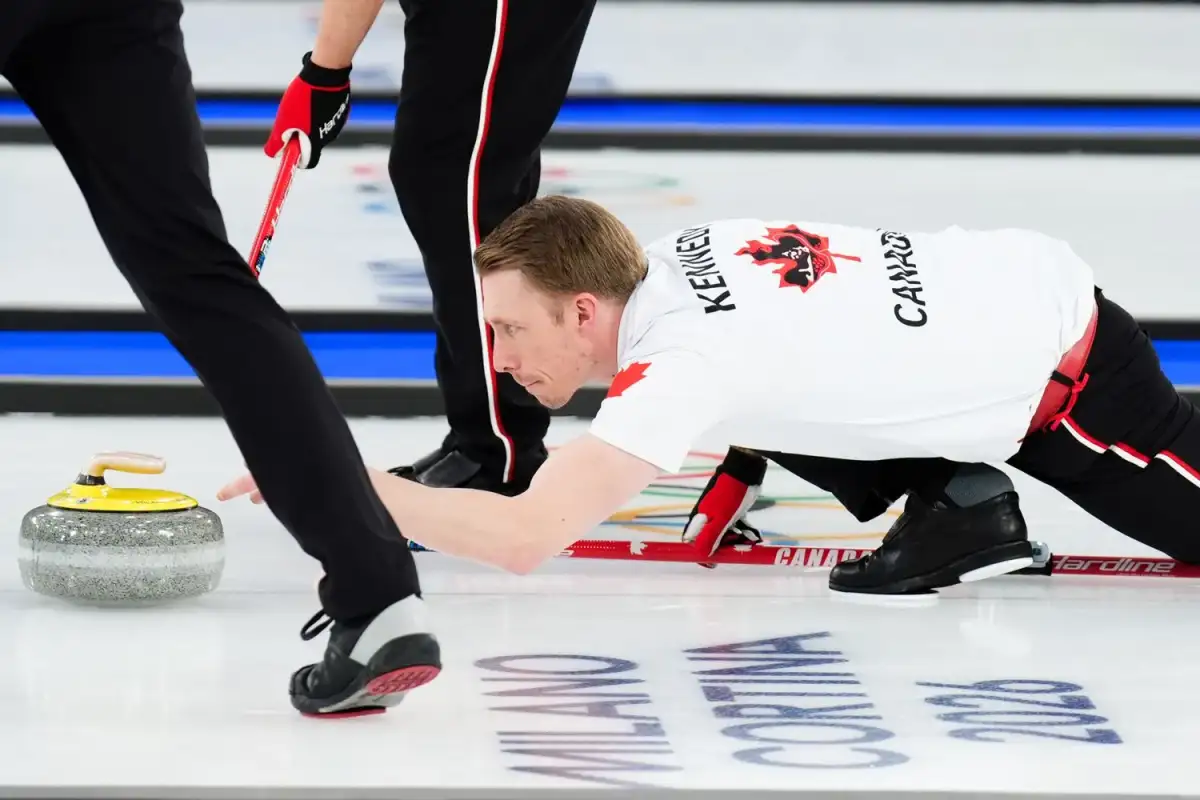
A "double-touch" happens when a player touches a moving stone after they have let it go and it has passed the hog line. This rule is in place to keep the game fair, as touching the stone again could change its path or speed. Was the timing and force of any second touch enough to break this rule or affect the stone's movement?
Read More: FIFA World Cup 2026 Revenue Reaches $15 Billion With New Ticket Prices
Officials' Role and Action
Curling officials, who watch the game from both ends of the ice, stated they did not see the actions being claimed. Because they did not see any rule breaking with their own eyes, they could not stop the game or give a penalty. World Curling, the sport's main body, reviewed the match and said no rule breaks were missed. This raises the question of how to best watch for such actions in fast-moving games. The only official action taken was a spoken warning to Marc Kennedy for his strong language towards Oskar Eriksson.
Player Responses and Views
Marc Kennedy denied that he cheated, though he did say his words after the match could have been better. Jennifer Jones, a famous Canadian curler and former Olympic winner, strongly supported the Canadian team. She stated, "I can guarantee that there is not a single double touch out there that is done intentionally to cheat." This suggests she believes any such contact would be accidental, not planned. Many Canadians expressed disappointment that these events clouded their country's and the sport's good name.
Read More: AC Milan transfer news April 2026 Ruben Amorim targets new players
The "Spirit of Curling"
Curling has a long history as a friendly sport where players often admit their own small mistakes, shake hands after games, and even share drinks. This "spirit of curling" means fairness and good sportsmanship are very important. The claims and strong words exchanged in these games have caused people to wonder if this spirit is changing. It has started talks about how the sport is growing and changing over time.
Expert Analysis
Jennifer Jones, a well-known curler, offered her thoughts, saying she strongly believes no curler would try to cheat on purpose. This shows a trust in the players' honest intentions within the sport. Glenn Howard, the Swiss coach, noted that his team also brought their concerns about similar actions to officials during their match with Canada. These views highlight a gap between what some players observe and what officials confirm, leading to discussions about how rules are applied.
Read More: England World Cup Match: Pubs Open Until 5 AM Monday
Conclusion
The claims of "double-touch" rule breaks against the Canadian curling team at the 2026 Winter Olympics led to public discussions and strong exchanges. Marc Kennedy denied the claims, and Jennifer Jones stated her belief that any such actions are not done to cheat on purpose. Officials overseeing the games reported that they did not see any rule breaks directly, and World Curling stated its review found no missed rule violations. However, later images appeared to show Brad Jacobs touching his stone, adding to the ongoing conversation. The events have caused many to talk about fairness in curling and how to keep the "spirit of curling" alive as the sport changes. The focus now appears to be on the sport's ongoing progress and the rules that guide it.
Used Sources
https://www.dailymail.co.uk/sport/winterolympics/article-15568545/jennifer-jones-canada-curling-cheating-olympics.html
https://www.nbcnewyork.com/olympics/2026-milan-cortina/canada-curling-team-cheating-allegations/6461879/
https://www.hellomagazine.com/us/884439/canadian-marc-kennedy-olympics-curling-cheating-scandal-explained/
https://people.com/olympics-curling-controversy-everything-to-know-11907915
https://gulfnews.com/sport/curling-drama-canada-accused-of-cheating-at-winter-olympics-1.500444857
https://apnews.com/article/winter-olympics-curling-7bc0bbfde34d2b5733360046eb1742f6
https://www.sportingnews.com/us/olympics/news/canada-sweden-cheating-controversy-profanity-accusations/8e42c7c5ae75cbaa7146394a