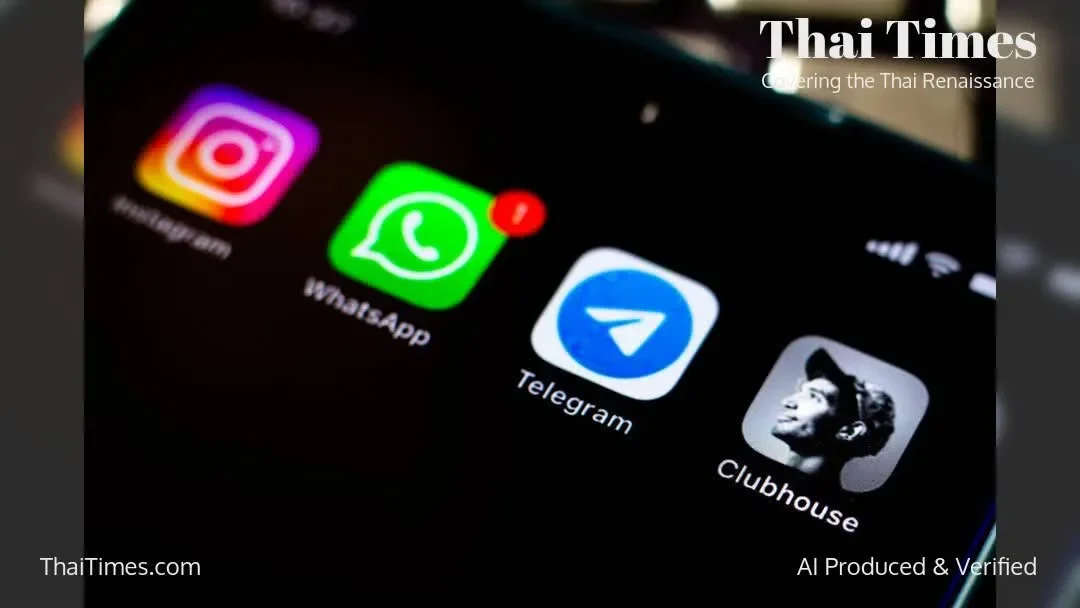
As of April 7, 2026, WhatsApp has begun integrating a username feature that allows users to initiate chats without exposing their phone numbers. This development marks a structural shift for the platform, which has historically relied on the mobile phone number as the primary identifier for every account.
Core functionality enables users to mask their personal contact digits, replacing them with unique aliases to interact with others.
Structural Comparison: Messaging Paradigms
| Feature | WhatsApp (New Beta) | Telegram |
|---|---|---|
| Identifier | Username or Phone Number | Username or Phone Number |
| Mandatory | No (Optional) | No (Optional) |
| Privacy Layer | Hidden Number Option | Hidden Number Option |
| Consistency | Automatic contact updates | Manual or linked profiles |
The implementation mandates that unique usernames cannot be duplicated across the service.
A restriction prevents users from claiming an alias already present within their current contact list.
When an identity alias is modified, the system is designed to notify participants in active conversations to prevent confusion.
The change is not a forced migration; existing users may continue to rely exclusively on traditional phone-number-based connections if they prefer.
Background and Development Context
The path to this shift began gathering speed in mid-2025, when early reports first identified beta testing phases regarding the abandonment of the phone-number-only model. For years, the reliance on a phone number acted as both the platform’s greatest barrier to entry and its most criticized privacy flaw.
By mimicking the architecture popularized by Telegram and Signal, Meta-owned WhatsApp attempts to address demands for granular identity management. The update moves the platform away from the "phonebook" social graph, favoring a more abstract digital identity system. This modification fundamentally alters the user experience, moving from a verified physical connection to a symbolic one.
Read More: Chrome mimeHandler API lets extensions handle file types
While the feature is presented as an optional utility, its existence highlights an inevitable friction between the utility of universal, traceable identifiers and the growing demand for anonymity in private digital spaces.