Tensions are high in Western Australia as commercial fishermen voice strong opposition to a recently implemented ban on demersal fishing. The restrictions, which aim to protect at-risk fish species, have been met with a series of escalating protests, ranging from public demonstrations to more direct actions targeting government offices. The situation highlights a significant divide between the state government's conservation goals and the economic realities faced by the fishing industry.
Background to the Ban
On December 16, 2025, Western Australia introduced new fishing laws, including a permanent ban on commercial demersal fishing along a substantial portion of the coastline, stretching from Kalbarri to Augusta. This ban officially came into effect on January 1, 2026. The state government has stated that these measures are necessary to recover fish stocks, specifically mentioning species such as dhufish and pink snapper, which are considered at-risk.
Read More: David Killick, Beverly Thomson Deaths: Media Stars Gone
The decision has had immediate and significant consequences for the industry. For fishermen like Nicholas Soulos, a Bunbury skipper with over 55 years in the trade, the ban means his boat will no longer be heading out to sea. The government's approach has been described by some within the industry as a "blanket approach" rather than a more nuanced solution.
Industry Opposition and Protests
The fishing industry has responded to the ban with considerable resistance, mounting a fightback that has included legal challenges and public demonstrations.

Legal Action: Sea Harvest Group and Westmore Seafoods, a local arm of a South African company, have initiated legal proceedings against the government reforms. Their action, lodged with the WA Supreme Court, specifically challenges the ban on trawling in the Pilbara fishing zone. The companies argue that these reforms raise concerns about sovereign risk and the protection of property rights. The matter had its first hearing in December 2025, with a return to court scheduled for April 2026. Phil Clark, co-owner of Fins Seafood, stated that the industry did not anticipate such a severe and permanent ban. He also claimed that the data used to justify the ban was outdated, not reflecting recent changes in both commercial and recreational fishing sectors.
Public Demonstrations: Fishermen have organized protests to express their dissatisfaction.
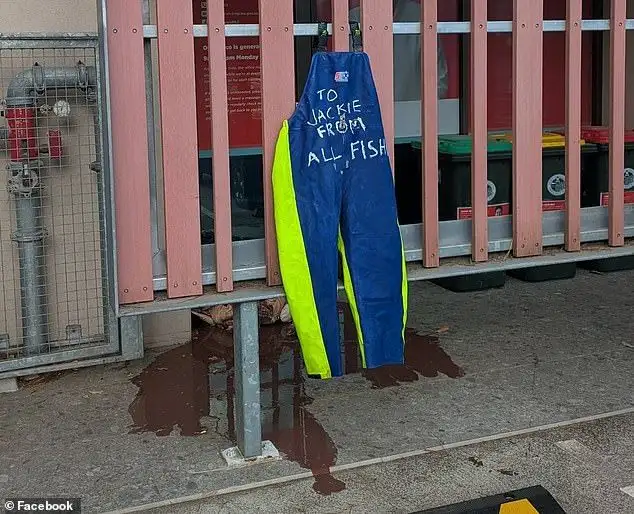
On December 29, 2025, three men were charged after dumping approximately 200 kilograms of shark heads outside the electoral office of WA Fisheries Minister Jackie Jarvis in Margaret River. The protest also involved hanging a pair of fishing pants with the message "To Jackie, from all fishers." Two of the men involved, Brendan Bardowski (37) and Drew Brewster (34), were subsequently fined for trespassing and littering. The third individual, aged 36, was also arrested. This act was a protest against the new laws designed to protect demersal fish.
Around January 18, 2026, approximately 200 people gathered to protest the ban. Organizers, such as Daniel Smith, questioned the government's data on fish stock numbers, labeling it as outdated. Opposition leader Basil Zempilas has also criticized the government's handling of the situation.
John Higham, a shark fisher from Geraldton, has engaged in direct action. On January 13, 2026, he chained his boat to the gate of a WA government department complex. More recently, as of February 16, 2026, he chained himself to the roof of the Midwest Department of Primary Industries and Regional Development (DPIRD) building in Geraldton. Higham asserts that the government's restrictions have effectively eliminated his livelihood. Geraldton Police have responded to these incidents.
Government Response
Fisheries Minister Jackie Jarvis has defended the government's actions, stating that the ban was a "captain's call" and that she welcomed opportunities to meet with industry representatives. Premier Roger Cook has also defended the ban, emphasizing that it was part of making "tough decisions" to preserve fish stocks for the future. The government maintains that consultation was undertaken prior to the ban's announcement.
Read More: Hunter Region Gets $12 Billion Train Factory
Conflicting Perspectives
| Group/Individual | Stance on Ban | Key Arguments |
|---|---|---|
| Western Australian Government | Supports and defends the ban. | Essential for recovering at-risk demersal fish species (dhufish, pink snapper); aims to preserve fish stocks for the future; necessary "tough decisions" made after consultation. |
| Commercial Fishermen | Opposed to the ban; feel their livelihoods are threatened. | Ban is too severe and permanent; data used is outdated; government is not listening; has a significant negative economic impact. |
| Legal Challengers | Challenging the ban legally. | Raises issues of sovereign risk and protection of property rights; ban is a "blanket approach." |
| Opposition Politicians | Critical of the government's handling of the ban. | Suggests government has had ample time to address fish stock issues; using the ban to criticize the government. |
Expert Analysis
Phil Clark, co-owner of Fins Seafood, stated that the industry had not anticipated the severity and permanence of the ban, and suggested that the data used to justify the restrictions predated recent sector changes.
John Higham, a protesting fisherman, directly expressed that the government's restrictions have "effectively taken away his livelihood."
Conclusion and Implications
The demersal fishing ban in Western Australia has ignited significant conflict, pitting conservation efforts against the economic survival of the fishing industry. Protests have escalated, with fishermen employing direct actions to draw attention to their grievances. Legal challenges are underway, indicating a formal opposition to the government's policy.
The core of the dispute appears to revolve around the government's data and decision-making process, as questioned by industry representatives and political opponents, versus the government's stated commitment to environmental preservation. The situation underscores the complex challenges in balancing resource management with industry needs.
Further developments are expected as the legal challenges progress and as fishermen continue to voice their concerns through various forms of protest and dialogue with government officials. The long-term economic and social impacts on the affected communities remain a significant consideration.
Read More: How New York City events affect local life in April 2026
Sources
ABC News:
Breaking: Fisherman mounts rooftop protest over WA demersal fishing bans
Permanent fishing ban begins along WA coast as commercial fishers face uncertainty
Protesters unite for 'stinky display' against demersal fishing ban
Hundreds gather to protest fishing ban as premier defends 'tough decisions'
Minister says she made 'captain's call' about WA's commercial fishing ban - Summary failed or content too short, but linked as part of a broader topic.
Why WA's controversial fishing ban has hit a nerve like no other - Summary failed or content too short, but linked as part of a broader topic.
Grave fears for iconic species prompt strict bans on WA demersal fishing - Summary failed or content too short, but linked as part of a broader topic.
Basil Zempilas using fishing ban to batter WA government - Summary failed or content too short, but linked as part of a broader topic.
WAToday:
WA fishing ban protesters fined over shark head stunt outside minister’s office
WA fishing ban challenge lands in court as industry mounts fightback
Fisherman locks boat to Geraldton fisheries office in demersal ban protest
7NEWS:
Skipper locks boat to fisheries office to protest controversial ban
Daily Mail Australia:
Twist after 200kg of shark heads dumped outside a minister's office