


The central government has invoked the Essential Commodities Act (EC Act) to command refineries and petrochemical units to divert every possible hydrocarbon stream into the domestic gas pool. This heavy-handed regulatory pivot follows a stuttering supply of LPG as the conflict between Iran, Israel, and the US enters its second week. While the state attempts to keep household stoves lit, the commercial sector is effectively being starved of fuel, leading to a visible friction in the urban machinery.
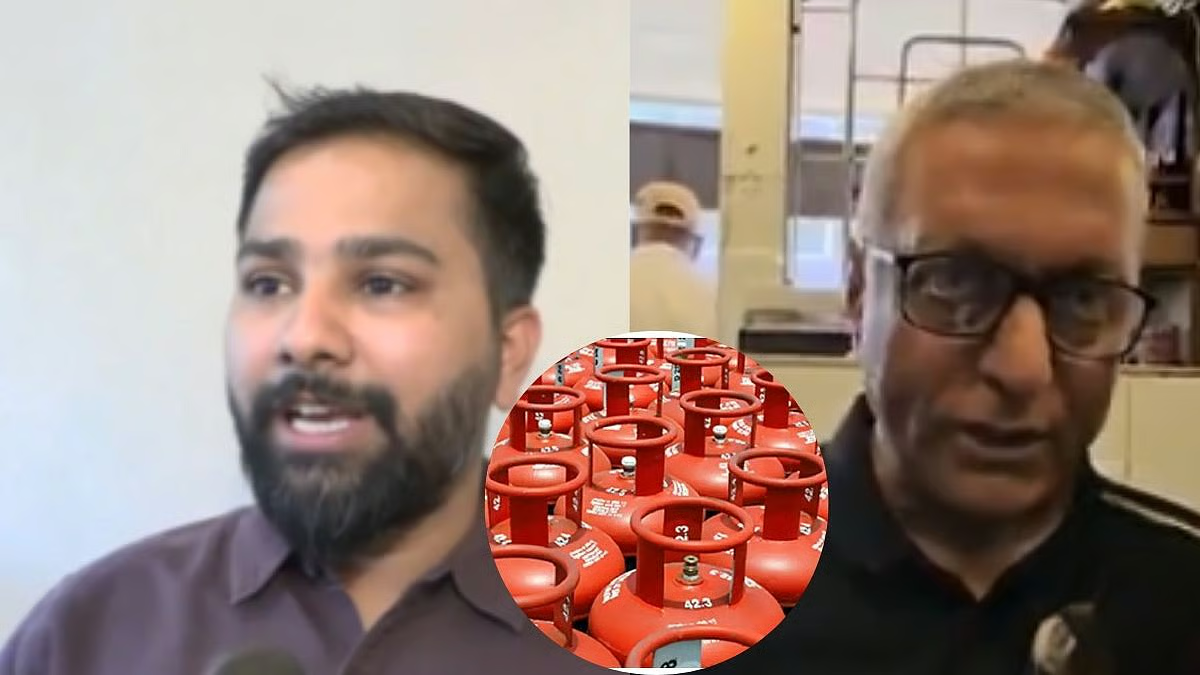
50% of hotels in Delhi-NCR and Bihar are reportedly on the verge of shuttering within the next 48 hours.
20% of Mumbai’s eateries have already gone dark, unable to secure the daily canisters required for operation.
1 crore workers face potential job loss as the hospitality industry’s "just-in-time" supply model collapses under the weight of the West Asia crisis.
Long queues have reappeared at petrol pumps and LPG outlets in cities like Ranchi, signaling a return to a scarcity mindset.
THE CRUSTY GEOPOLITICS OF HUNGER
| Sector | Current Status | Government Action |
|---|---|---|
| Domestic LPG | Prioritized; supply shaky | Mandatory diversion of hydrocarbons |
| Commercial Gas | Near-total shortage | Supply restricted to "essential" use only |
| Hospitality | Rapid closures in metros | None; industry left to market whims |
| Refineries | Maximum production mandated | Invocation of the EC Act |
The political response has been as fragmented as the supply lines. Opposition figures have used the dry pipes to critique the administration's pivot away from long-standing diplomatic positions. The silence from the Prime Minister’s office regarding the shortage has become a specific target for Mahua Maji and other critics who view the vacuum as a failure of foresight.
Read More: Atlassian cuts 1600 jobs in Sydney as AI focus grows
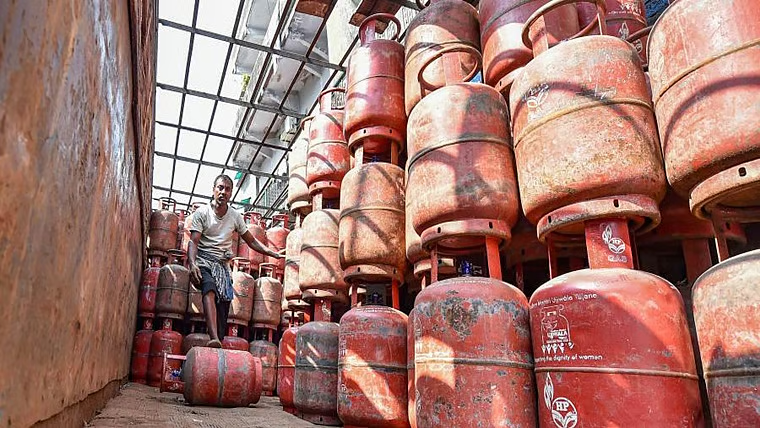
The Non-Alignment Autopsy
The narrative from the opposition benches suggests that the current fuel rot is not merely a logistical hiccup but a structural failure of foreign policy.
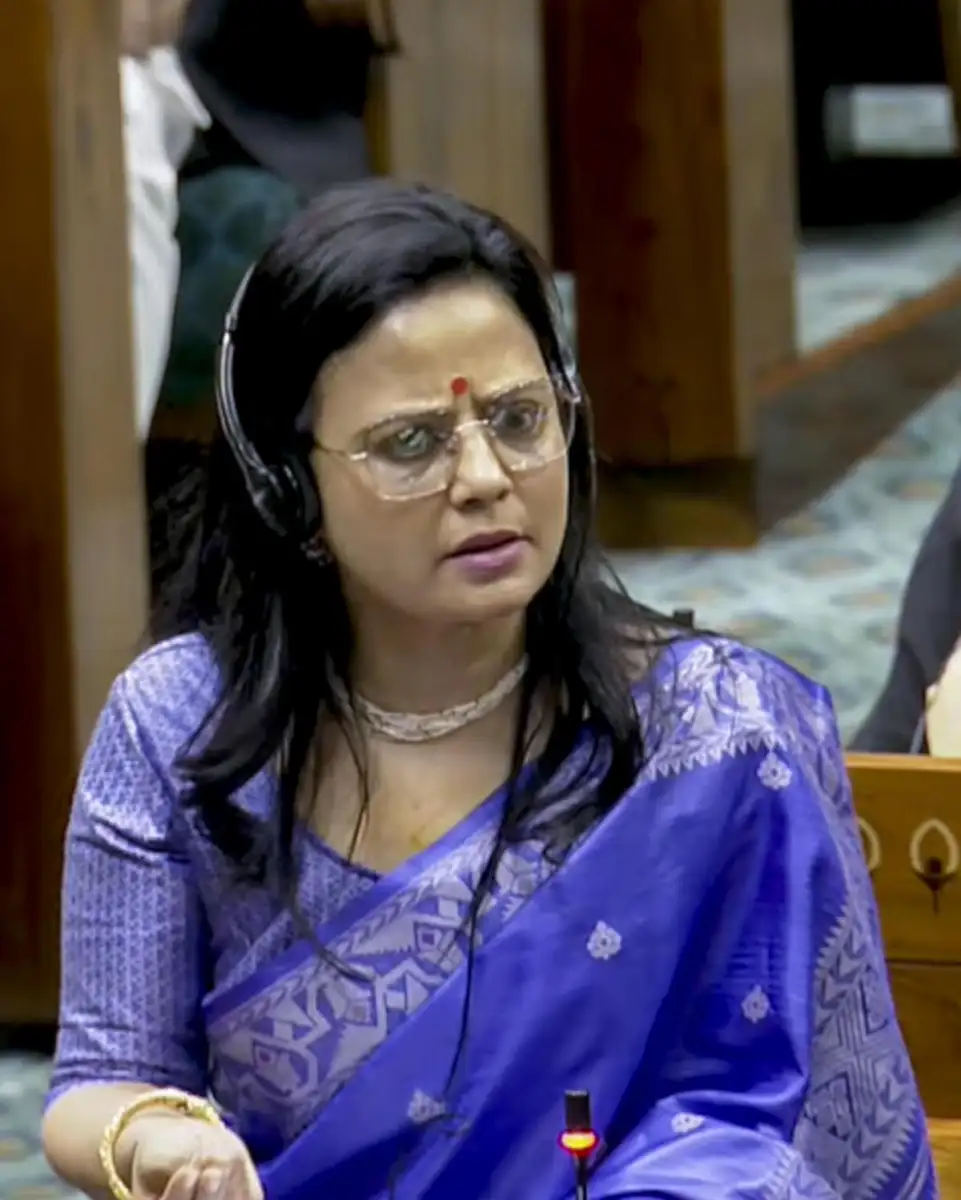
"In the next two days, 50 per cent of hotels are on the verge of shutdown… about one crore people are at the risk of losing their jobs," warned Arvind Kejriwal, who accused the administration of "demolishing" India's non-aligned stance to become a "yes man" to foreign interests.
The criticism hinges on the idea that by alienating regional energy partners like Iran, the government has left the domestic kitchen vulnerable to distant tremors. Rahul Gandhi echoed this, linking the local economic damage directly to the escalating violence in the Middle East, suggesting that the "God's grace" model of governance is no longer sufficient to keep the burners blue.
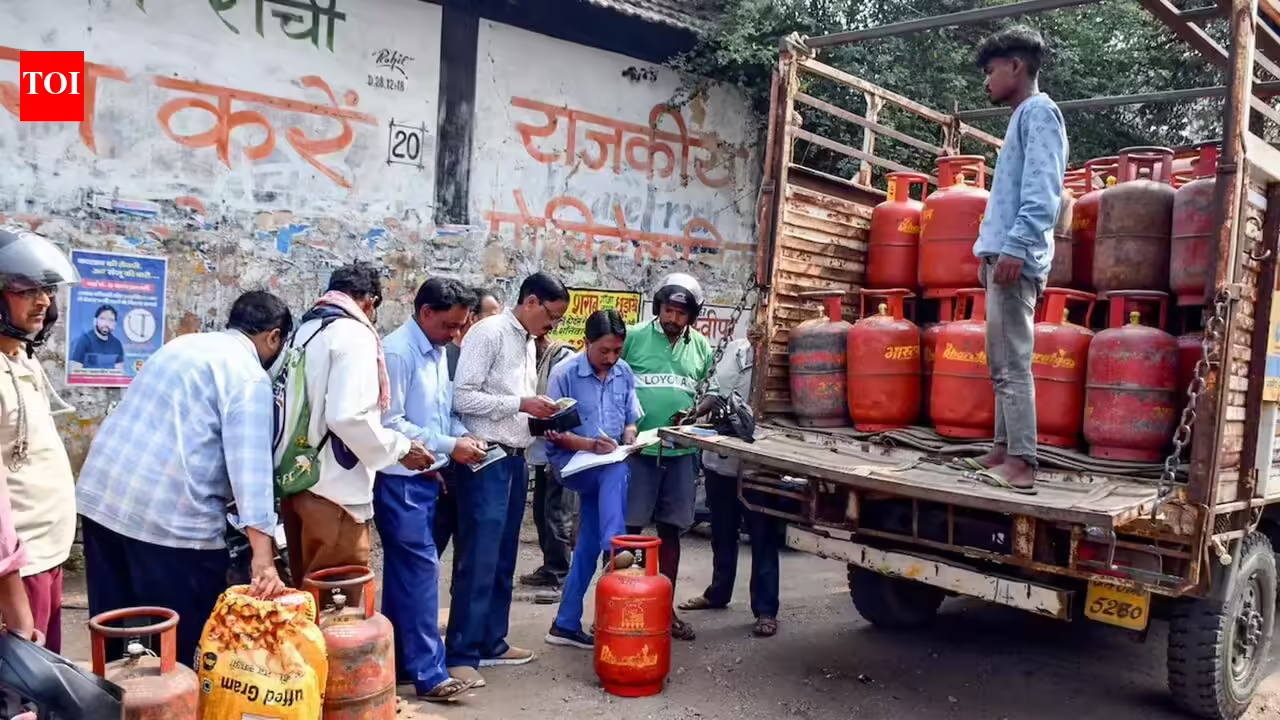
A TEN-DAY LEAK IN THE ENERGY BUFFER
The immediate trigger is the ten-day-old war in West Asia, which has disrupted the predictable flow of tankers and shifted the cost of insurance and transit to prohibitive levels.
The "Safety" Trap: Because restaurants and hotels are barred from stockpiling large quantities of LPG due to safety regulations, they exist on a fragile daily replenishment cycle. When the taps narrowed, the Punjab and Delhi-NCR clusters were the first to feel the cold.
The EC Act Gambit: By forcing refineries to prioritize LPG, the government is effectively cannibalizing other petrochemical outputs. This is a short-term fix for a problem that looks increasingly permanent.
While the administration treats this as a temporary emergency situation, the jagged reality in the streets of Ranchi and Mumbai suggests a deeper erosion. The promise of cheap, abundant energy is being replaced by the dull ache of the queue. The political class continues to argue over the why, while the commercial sector counts the hours until the last tank runs dry.
Read More: Prakasam District gives free HPV vaccine to 11,000 girls to stop cancer