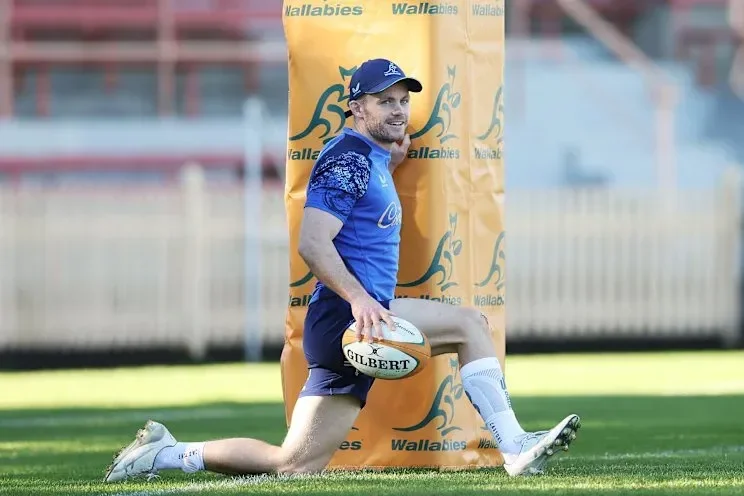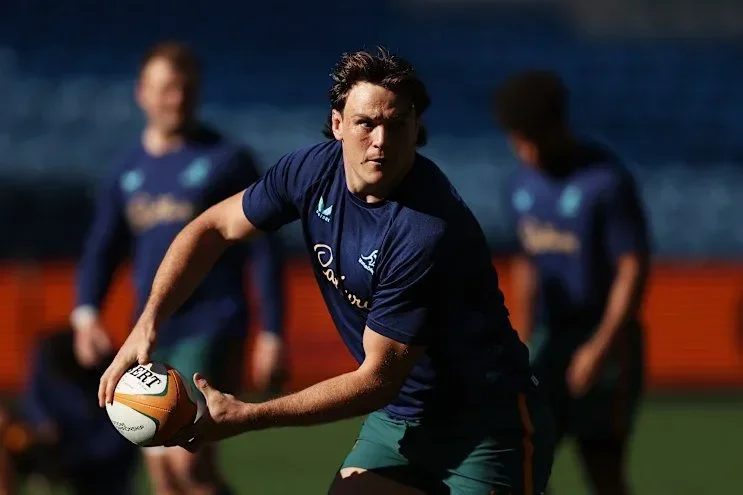
SYDNEY – Facing a significant challenge against Ireland in Sydney on Saturday, the Wallabies are deploying a strategy centered on a potent bench, dubbed a "bomb squad." This tactical pivot aims to rectify the crippling second-half fadeouts that plagued their European Spring Tour last year, a pattern that saw them outscored significantly after halftime in multiple matches.
The Wallabies' gamble hinges on their reserve players delivering sustained impact in the latter stages of the match, a direct response to the significant drop in scoring and defensive pressure observed following halftime during the previous tour. This approach is particularly pertinent given the team's historical struggles against Ireland and the need to "take a stand" on home soil.
Tactical Re-alignment Amidst Past Failures
The Wallabies' recent history paints a stark picture. Despite promising first-half performances during parts of last year's Test season, the tour of Europe culminated in a winless four-game run. Even in a match against Japan en route to Europe, the team conceded more points in the second half. The severity of this issue was evident in the European tour, where Australia's average points per game plummeted from 13.2 in the first halves to a mere 6.2 after the break. This imbalance proved costly, as seen in a recent match where a halftime deficit of 19-14 ballooned due to conceding 27 points in the final 25 minutes.
Read More: FIFA World Cup 2026 Revenue Reaches $15 Billion With New Ticket Prices
Player Movements and Returning Fortunes
Amidst these tactical adjustments, players are seeking renewed opportunities. Jock Campbell, whose extra pace has been noted, hopes to secure a starting spot. His return to the national setup follows a period of rehabilitation from a persistent hamstring injury, with his form at the Reds reportedly catching the eye.

Meanwhile, former captain Allan Alaalatoa, who endured the dismal winless tour of Europe – the team's worst since 1959 – is among those motivated to "rectify" past faults. The tour saw successive losses to England, Italy, Ireland, and France in November.
Read More: Australian Rugby Team Selection Changes Ahead of Ireland Match
Historical Context and Broader Challenges
The upcoming match against Ireland is viewed as an opportunity to "wipe the slate clean" and set the team on a path toward World Cup contention on home soil next year. However, the team's recent record against Ireland provides little room for high expectations.
The broader landscape of Australian rugby is also under scrutiny. Reports suggest a new global competition could provide a "perfect global testing ground" for the Wallabies. Separately, the struggles of the Waratahs, with their season ending before finals, have been highlighted as emblematic of deeper issues within Australian rugby.
Will Skelton has been ruled out of the match against Ireland and France due to an injury sustained playing for La Rochelle. The team also faced difficulties in specific areas during a previous encounter in Dublin, where Ireland's tactical use of high kicks exploited the Wallabies' struggles with clean ball reception.
Read More: England World Cup Match: Pubs Open Until 5 AM Monday