Introduction
A legislative push for stricter voter identification laws, championed by House Republicans and President Trump, has cleared the House and now faces significant challenges in the Senate. The SAVE America Act, along with a similar measure, the Make Elections Great Again (MEGA) Act, propose measures such as requiring proof of citizenship to vote. However, Senate Majority Leader John Thune has publicly stated there are insufficient votes to change the chamber's filibuster rules, a move some proponents believe is necessary to advance these bills. This creates a deadlock, with hardline conservatives advocating for filibuster reform while more centrist Republicans and Democrats express opposition or doubt.
Background
The House of Representatives has passed voter identification legislation multiple times recently. On Wednesday, the SAVE America Act was approved by the House. This bill, and the earlier MEGA Act discussed in committee, are presented by their Republican proponents as common-sense measures to enhance election security and prevent noncitizen voting. Conversely, critics argue these bills would disenfranchise millions of eligible voters, particularly women who have changed their names due to marriage, and LGBTQ+ individuals. The SAVE America Act is now en route to the Senate, where its prospects are uncertain due to the chamber's rules.
Read More: US 250th Anniversary on July 7, 2026, sees 20% not celebrating
Evidence
House Passage: The House of Representatives has passed the SAVE America Act on multiple occasions, with the latest passage occurring on Wednesday. All present Republicans voted in favor of the bill. Minimal Democratic support was observed, with Marie Gluesenkamp Perez voting against it, while Joe Morelle has referred to these bills as "Trump election takeover bills."
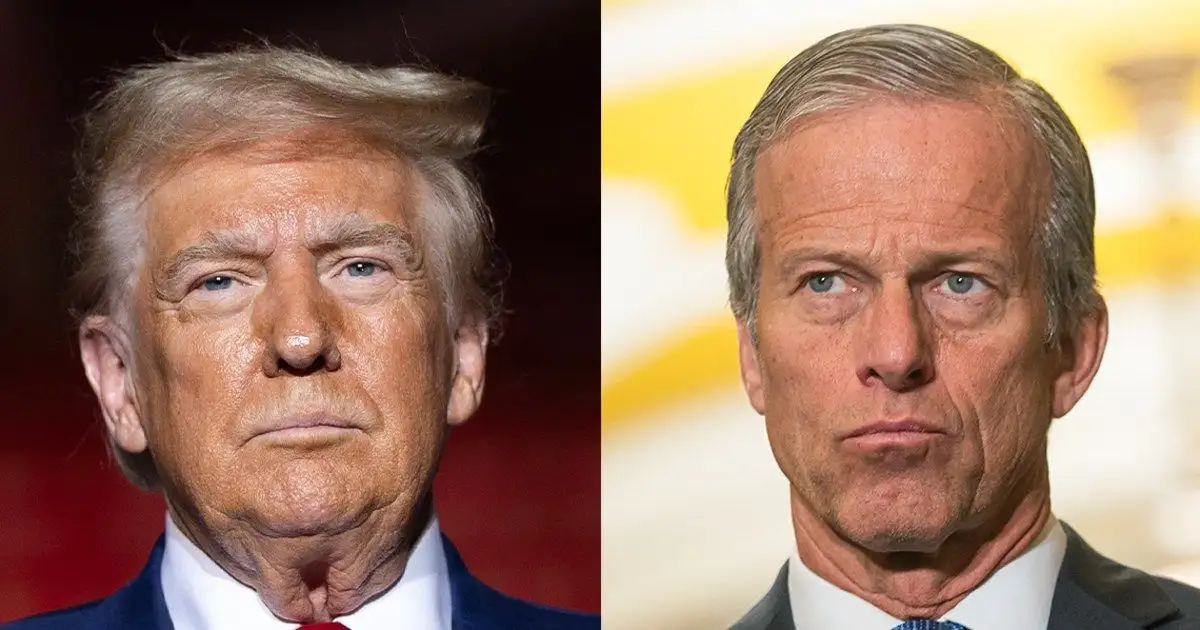
Senate Obstacles: Senate Majority Leader John Thune has indicated that there are not enough votes to change the filibuster rules to pass the SAVE America Act. He stated, "There aren’t anywhere close to the votes, not even close, to nuking the filibuster."
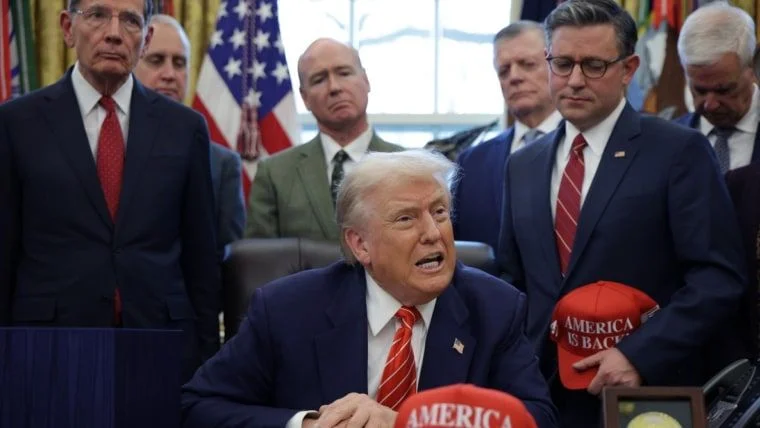
Republican Divisions: While some Senate Republicans, such as Rand Paul, support the voter-ID bill, others are hesitant. Senator Lisa Murkowski has announced her opposition to the legislation, and Senator Thom Tillis backs voter ID but not filibuster reform. Senator John Barrasso maintains that Republicans will continue to advocate for the voter ID issue, calling it "common sense."
Filibuster Rule: Advancing legislation in the Senate typically requires 60 votes to overcome a filibuster. Historically, a filibuster involved prolonged debate on the Senate floor, though modern practices have evolved.
Debate Over Voter ID and Election Security
Proponents of the SAVE America Act and similar legislation frame these measures as essential for election integrity. House Committee Chairman Bryan Steil described the MEGA Act as a common-sense approach to combatting noncitizen voting, a threat he characterized as "virtually nonexistent." Some Republicans, like John Barrasso, believe voter ID requirements are a sensible measure given their prevalence in everyday life. An opinion piece suggests that Americans desire voter integrity, questioning why Democrats oppose such measures.
Read More: Aboriginal Voters Turned Away From SA Polling Stations on Election Day

However, critics express significant concerns about the potential for these bills to disenfranchise voters. The SAVE America Act, specifically, is noted for new rules that could make it harder for married women or LGBTQ+ individuals to register if they have changed their names. Voting rights groups argue this would create a barrier for millions. Critics also point out that noncitizens are already barred from federal elections and that many states already have their own voter ID laws.

Filibuster Reform Debate
The Senate's filibuster rule presents a major roadblock for the SAVE America Act. Some House Republicans are frustrated by the Senate's inaction and have even suggested hitching voter ID legislation to must-pass bills like appropriations or FISA reauthorization. This has led to calls from some within the party to modify or eliminate the filibuster to ensure the bill's passage.
Read More: Trump says Vance-Rubio ticket would be "unbeatable" for 2028
Conversely, Senate leadership, including Majority Leader John Thune, has actively pushed back against filibuster reform. Thune has stated that the votes are not present for such a significant rule change. Senator Thom Tillis also expressed support for the voter ID bill but not for altering the filibuster. This division within the Republican party highlights a strategic difference in how to approach legislative challenges in the Senate.
Potential Impacts and Criticisms
The core of the debate revolves around the intended and unintended consequences of stricter voter ID laws. Supporters believe they enhance security and public trust in elections. Opponents, however, contend that the practical implementation of such laws, particularly the documentation requirements proposed in the SAVE America Act, could disproportionately affect certain demographic groups and deter eligible voters. This includes concerns about married women and LGBTQ+ individuals needing to provide documents proving citizenship at registration, potentially creating undue burdens. The assertion of widespread noncitizen voting as a justification for these measures has also been characterized as unfounded.
Read More: June 2 Primaries: Delayed Results Expected Due to Vote Counting
Conclusion
The SAVE America Act, having passed the House with strong Republican support, now faces a formidable obstacle in the Senate: the filibuster and a lack of consensus among Republicans on how to overcome it. Senate Majority Leader John Thune has definitively stated that changing the filibuster rules is not a viable option due to insufficient votes. This leaves proponents of the bill in a difficult position, with internal party divisions regarding strategy. While some hardline conservatives advocate for filibuster reform, others, like Senators Lisa Murkowski and Thom Tillis, are either opposed to the bill itself or to altering Senate rules. The legislative future of the SAVE America Act in the Senate remains highly uncertain, with a strong possibility of it being stalled or significantly altered due to these procedural and political complexities.
Read More: Pentagon Staffing Choice: Jan 6 Participant in Sensitive Role
CNBC: https://www.cnbc.com/2026/02/10/senate-filibuster-thune-trump-save-act.html
Democracy Docket: https://www.democracydocket.com/news-alerts/house-passes-gops-sweeping-anti-voting-bill/
Fox News: https://www.foxnews.com/politics/senate-republicans-double-down-save-save-act
NBC News: https://www.nbcnews.com/politics/congress/senate-republicans-clash-filibuster-trump-backed-voter-id-bill-rcna257431
CNBC: https://www.cnbc.com/2026/02/11/trump-save-act-house-voter-id.html
Washington Examiner: https://www.washingtonexaminer.com/news/house/4455007/house-passes-voter-id-bill-one-democrat-supporting/
USA Today: https://www.usatoday.com/story/opinion/columnist/2026/02/04/save-act-voter-id-elections-republican-support/88491081007/
The 19th: https://19thnews.org/2026/02/house-passes-save-america-act-married-women-vote/
Democracy Docket: https://www.democracydocket.com/news-alerts/house-republicans-further-voter-id-bills-that-would-disenfranchise-millions/
Roll Call: https://rollcall.com/2026/02/10/voter-id-bill-house-senate-future/
Bloomberg Government: https://news.bgov.com/bloomberg-government-news/thune-shuts-down-talk-of-changing-filibuster-for-voter-id-bill