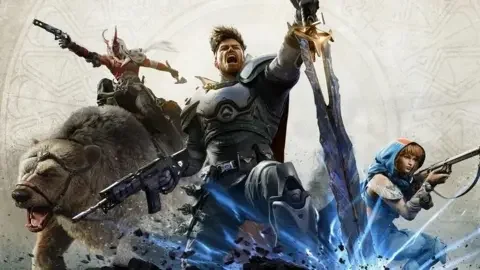
A recent event saw the indie game Void War temporarily removed from the Steam platform. The developer, Tundra Interactive, has stated the takedown was due to claims made by Games Workshop, the creator of the Warhammer 40,000 franchise. The core of the dispute reportedly centers on the design of in-game character shoulder pads, which Games Workshop believed bore a strong resemblance to their own protected intellectual property.
The situation highlights the ongoing challenges faced by independent game developers, particularly concerning copyright and intellectual property disputes with larger, established entities. This event follows a pattern of similar incidents where smaller creators find themselves in legal or platform-related conflict over design elements that may be perceived as infringing on existing copyrights.
Background of the Dispute
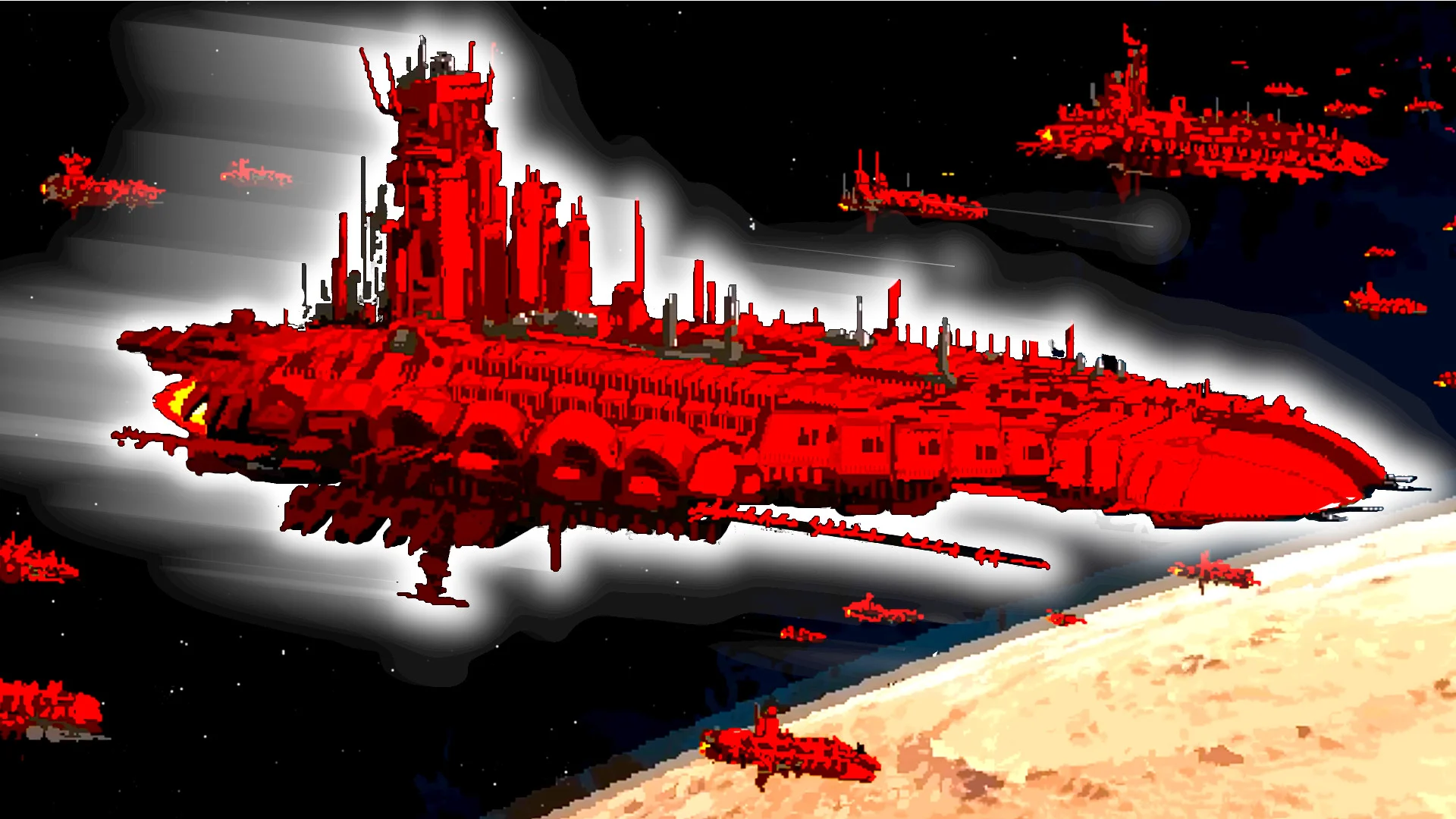
Void War, an independent strategy RPG, was released earlier this year. The game has been noted for its "grimdark" aesthetic, with themes of warped cults, decaying empires, and supernatural elements, all of which are also present in the Warhammer 40,000 universe. Despite these thematic overlaps, Tundra Interactive has maintained that their game does not have any direct affiliation with Games Workshop.
Read More: Arc Raiders Game Sells 14 Million Copies, Much More Than Expected
The issue escalated when Games Workshop raised concerns about the visual design of certain character models in Void War. Specifically, the bulky, prominent shoulder pads on some characters were flagged as being too similar to those commonly associated with Warhammer 40,000 Space Marines.
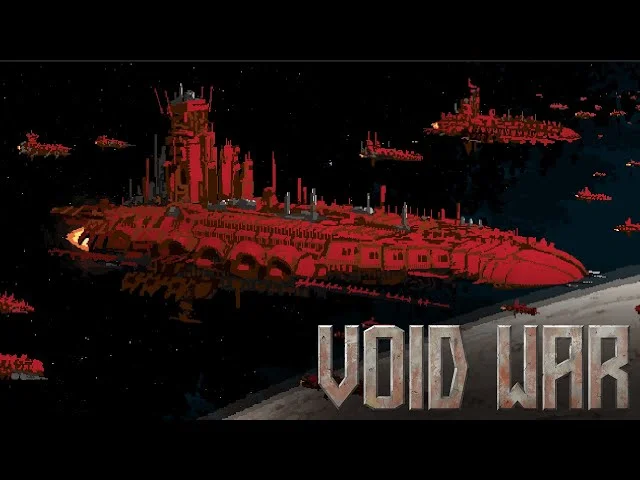
Tundra Interactive stated it disagreed with Games Workshop's assessment of the shoulder pad design.
Despite their disagreement, the studio opted to remove the game's trailer from its Steam store page, a step that preceded the temporary removal of the game itself.
Industry-Wide Pressures on Indie Developers
The situation with Void War is occurring against a backdrop of increasing financial and operational difficulties for independent game developers. Reports indicate that many smaller studios are struggling to survive due to challenges in securing funding and maintaining market presence.
A significant factor is the fierce competition for funding, with even critically acclaimed developers facing numerous rejections for new projects.
Furthermore, avenues that once provided financial support, such as exclusive deals with digital storefronts, are reportedly becoming less accessible.
These pressures can lead to talent drain and limit opportunities for developers to gain experience through making games.
Precedents and Similar Incidents
This is not the first instance of an indie game facing takedown requests or copyright claims, particularly when elements are seen as reminiscent of popular existing franchises.
Read More: UK Economy Grew a Little at End of 2025
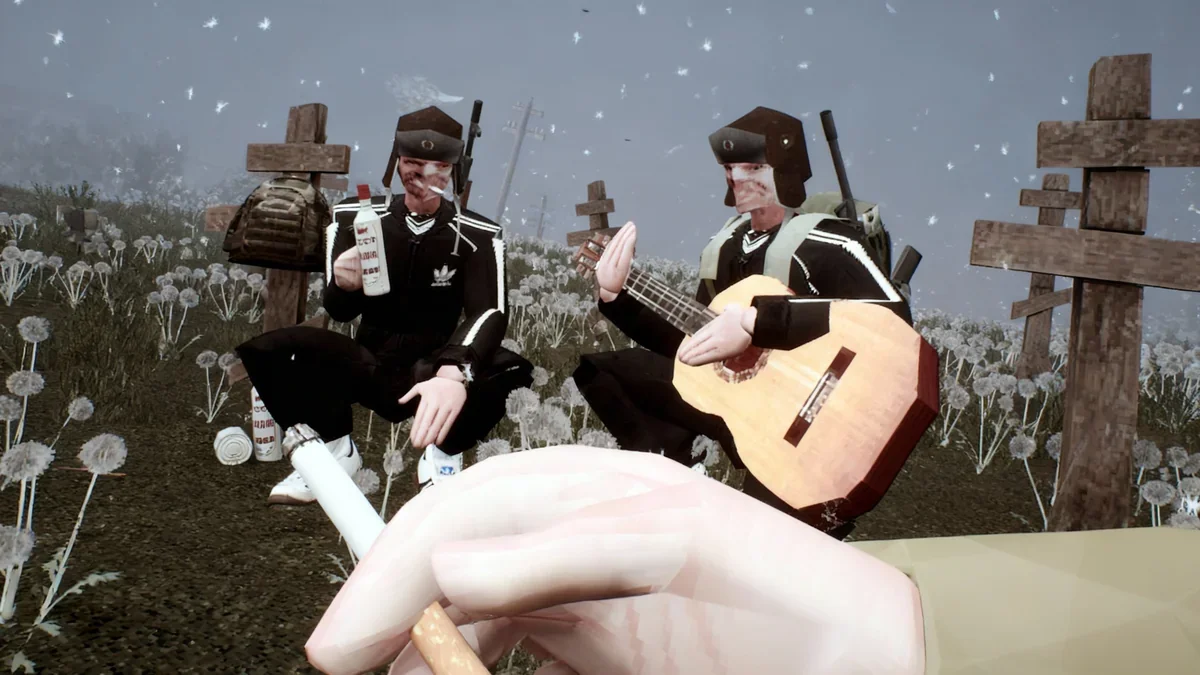
GSC Game World, the developer of the S.T.A.L.K.E.R. series, filed a DMCA strike against the indie horror game Misery, leading to its delisting from Steam. The developer of Misery has denied infringement and is reportedly preparing to challenge the claim.
Another case involved a streamer issuing an alleged unlawful DMCA takedown against a small indie developer for a game called Idle Streaming Bonanza. The streamer was reportedly accused of not properly considering fair use principles.
These events suggest a recurring dynamic where independent creators may face challenges in navigating copyright law and platform policies, sometimes encountering claims from larger entities.
Games Workshop's Enforcement Actions
Games Workshop has a history of actively protecting its intellectual property across various media and markets. This includes taking action against unauthorized use of its trademarks and designs.
Read More: High on Life 2 Game Is Out, People Talk About Its Funny Jokes and New Skateboard Moves
In previous instances, Games Workshop has pursued actions against global sellers of counterfeit or infringing goods.
Such enforcement efforts are often part of a broader strategy to maintain brand integrity and control over its intellectual property portfolio.
The dispute over Void War's shoulder pads aligns with this established pattern of the company asserting its rights when it perceives a similarity to its core Warhammer 40,000 imagery.
Expert Perspectives and Community Response
While specific expert commentary on the Void War case is pending, broader observations within the game development community often point to the inherent risks indie developers face.
Navigating copyright law, especially concerning aesthetic similarities, can be complex and resource-intensive for small studios.
The use of "inspiration" versus "infringement" is often a point of contention, with subjective interpretations playing a significant role.
Many observers note the power imbalance between large corporations with dedicated legal teams and independent developers operating with limited resources.
Read More: Sir Jim Ratcliffe Says Sorry for Immigration Comments
The situation has prompted discussion on platforms like Discord and forums dedicated to gaming, with fans and developers sharing their views on the fairness and implications of such takedowns.
Conclusion and Implications
The temporary removal of Void War from Steam, attributed by its developer to Games Workshop's concerns over character designs, underscores the precarious position many indie game studios occupy. The claim, centered on shoulder pad aesthetics, highlights the challenges of creating content that draws inspiration from popular genres without triggering intellectual property disputes.
Tundra Interactive has stated its intention to address the issue, suggesting the game may return to the platform once resolved.
This event serves as a case study for other independent developers regarding the potential risks of visual design choices in games that share thematic or aesthetic similarities with established, trademarked universes.
The broader context of financial instability within the indie game sector amplifies the impact of such disputes, which can significantly disrupt development, marketing, and revenue streams.
Read More: Highguard Game Studio Lays Off Workers After Game Release
Further developments will depend on the dialogue between Tundra Interactive and Games Workshop, and the potential outcomes of any formal challenges or resolutions.
Sources Used:
Eurogamer: Provides the primary account of Tundra Interactive's claim regarding the takedown and the specific issue of shoulder pads.🔗 https://www.eurogamer.net/void-war-dmca-shoulder-pads-games-workshop-warhammer-40k
Wargamer: Offers context on Void War's themes and its "grimdark" similarities to Warhammer 40k, noting it was previously included in "honorary" lists.🔗 https://www.wargamer.com/void-war/warhammer-40k-like-indie-dmca
Attract.de: Details a similar DMCA takedown incident involving GSC Game World and the indie game Misery, providing a precedent for such disputes.🔗 https://attractmo.de/gaming-business/stalker-developer-gsc-issues-takedown-of-indie-game-misery
Spikeybits: Reports on Games Workshop's asset freezing and global seller takedown actions, indicating a pattern of IP enforcement.🔗 https://spikeybits.com/games-workshop-freezes-assets-amid-world-wide-seller-takedown/
Wired: Discusses the general struggle for survival faced by indie video game developers, providing industry-wide context for financial pressures.🔗 https://www.wired.com/story/death-occurs-in-the-dark-indie-video-game-devs-are-struggling-to-stay-afloat/
GamesRadar: Highlights the difficulties indie developers face in obtaining funding, painting a picture of a challenging industry landscape.🔗 https://www.gamesradar.com/the-game-industry-is-fed-indie-devs-are-dying-off-because-getting-funding-is-a-battlefield-right-now-even-for-critically-acclaimed-veterans/
Read More: Game Maker Wildlight Lets Go of Staff After New Game Launch