The digital arteries of countless homes and businesses have been severed. VISPA, a UK broadband provider, has abruptly ceased trading and entered liquidation, leaving a trail of confused and disconnected customers in its wake. An urgent directive was issued: "cancel direct debits now." But what does this sudden implosion mean for those who relied on VISPA for their daily digital lives, and how did we get here? The implications ripple far beyond a simple service interruption.
A Sudden Silence in the Digital Realm
The announcement, delivered via email to a startled customer base, was stark and unambiguous. VISPA, which had been operating for a significant period, informed users that it was in liquidation and had stopped trading. This news was not a gradual decline, but a sudden halt. Customers were not given a grace period; instead, they were told to "immediately choose a new Internet Service Provider (ISP)" to avoid a complete loss of connectivity. The urgency of this message, echoing across multiple reports, underscores the precariousness of our reliance on these vital services.
Read More: Key Speaker Leaves Tech Meeting Because of Data Concerns

The core issue: VISPA has ceased trading and is entering liquidation, forcing immediate action from its customers.
The directive to cancel direct debits immediately suggests a rapid financial collapse, leaving no room for staggered exits.
The provider offered a range of services, from traditional Openreach-based packages to newer Full Fibre (FTTP) and its own Fixed Wireless Access (FWA) networks. This breadth of service means the impact is likely widespread.
The Ghost of Broadband Past: VISPA's Trajectory
VISPA's journey to liquidation, though seemingly abrupt to its customers, may have deeper roots. While specific financial details of VISPA's downfall are not fully public, the cessation of trading points to severe financial distress.
26 Years of Service (Reported): While some reports indicate VISPA operated for 26 years, others don't specify an exact duration. This discrepancy raises questions about the company's stability and reporting accuracy. Was it a long-standing entity or a more recent venture that struggled to adapt?
Recent Operational Shifts: Reports from ISPreview suggest that in the month prior to this announcement, VISPA's MD, James Ormerod, indicated the firm had "stopped accepting new orders" for its Fibre-to-the-Premises (FTTP) infrastructure. The stated reasons at the time were a perceived lack of "support" and "other issues."
Did this halt in new business signal an existing financial black hole?
What "support" was lacking, and from whom? Was it a failure of infrastructure partners, or a decline in demand due to poor service?
Diversified Offerings: VISPA's portfolio was varied:| Service Type | Network Basis | Notes || :———————————————— | :————————- | :———————————————————- || Openreach-based broadband packages | Openreach | ADSL, FTTC, FTTP || Full Fibre (FTTP) | Various | Expanding into this area || Fixed Wireless Access (FWA) | VISPA's own network | Direct infrastructure investment |
How did the financial strain manifest across these different network types? Was the expansion into FTTP and FWA capital-intensive and ultimately unsustainable?
A Missed Opportunity for Acquisition?: One report from Birmingham Mail alluded to a potential acquisition by Community Fibre. However, this deal was reportedly scuppered due to "fears over the repair bill for the extensive damage." What "damage" was being referred to? Was it infrastructure neglect, or a broader systemic issue within VISPA? This suggests a pre-existing, significant problem that deterred potential saviors.
The Fallout: Customer Chaos and Financial Scrutiny
The immediate consequence for VISPA's customers is a scramble for survival in the digital landscape. The instruction to cancel direct debits is a critical piece of advice to prevent further unauthorized payments.
Read More: UK Economy Grew a Little at End of 2025
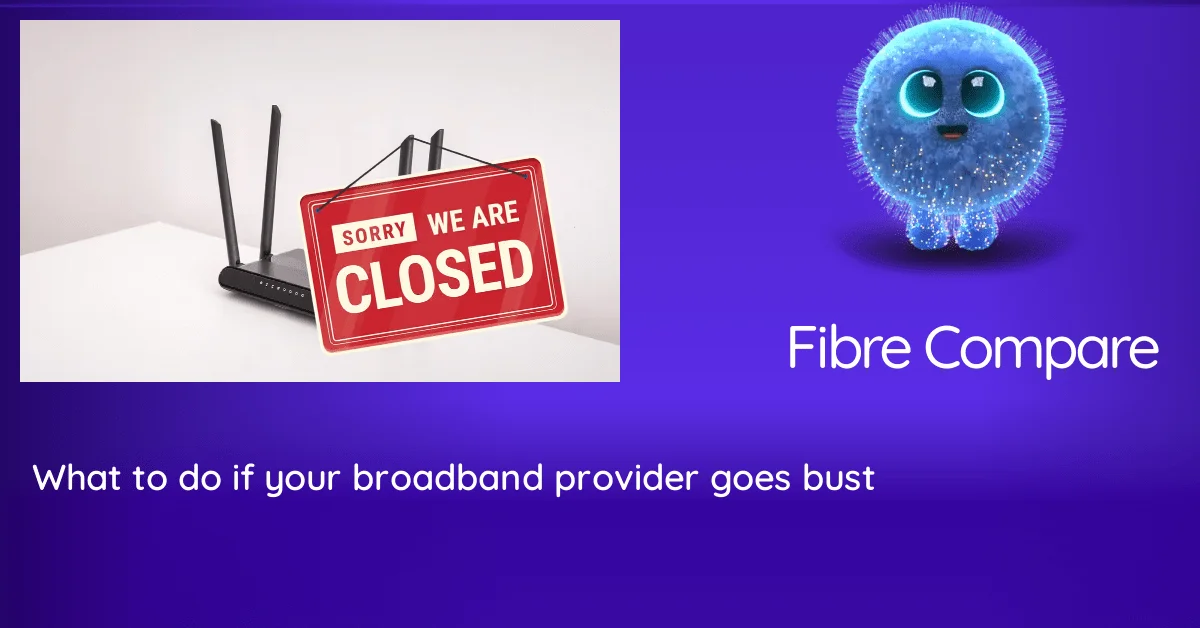
"To avoid any interruption to your connectivity, you will need to immediately choose a new Internet Service Provider (ISP) as soon as possible."
This statement, echoed across multiple news outlets, highlights the critical nature of broadband connectivity in modern life. It's no longer a luxury; it's a utility.
Financial Repercussions: Beyond the loss of service, customers will need to navigate the cancellation of their direct debits and the potential loss of any pre-paid services or deposits.
Will customers receive refunds for any unrendered services?
What is the process for reclaiming any outstanding credit with VISPA?
The Openreach Advantage: Many VISPA customers were on Openreach-based networks. This is a silver lining, as ISPreview points out: "Most providers on the Openreach network are able to take over your existing line with minimal disruption." This implies a potential for a relatively smooth transition for a significant portion of VISPA's user base.
However, will the new providers inherit any existing line issues or require new installations, especially for FTTP customers?
A Pattern of Failure?: The collapse of a broadband provider is not an isolated incident. The article from Fibre Compare ("What to do if your broadband provider goes bust") acknowledges this reality. It lists other providers that have shut down, including:
Ickenham Travel Group Ltd (November)
Great Little Escapes LLP (June)
Jetline Travel Ltd (March)
Note: The article from Yorkpress erroneously links VISPA's liquidation to travel companies. This suggests a potential editorial confusion or a shared pattern of financial collapse across disparate industries.
Are these unrelated failures, or do they point to broader economic pressures impacting smaller and medium-sized businesses across the UK?
Liquidation Proceedings: The involvement of FitzWalter Capital in selling off G Network's customer base and fibre network, as mentioned in the Daily Star article, is a separate incident but highlights the industry's volatility. Is FitzWalter Capital involved in the VISPA liquidation, or is this a separate but contemporaneous event demonstrating market consolidation and distress? The Yorkpress article mentions VISPA being removed from the Companies House register on January 6 and dissolving on January 13. This timing, if accurate, indicates a very rapid, potentially involuntary dissolution, distinct from a planned liquidation process. Clarification is needed on whether this was a dissolution or a formal liquidation process.
Probing Questions for the Industry and Regulators
The sudden collapse of VISPA begs a series of critical questions that demand transparent answers:
Read More: AI Safety Expert Leaves Anthropic, Says World is in Danger
Regulatory Oversight: What level of scrutiny is applied to broadband providers, particularly those expanding into capital-intensive areas like FTTP and FWA? Were there any red flags missed by regulators like Ofcom?
Financial Health Checks: How are the financial health and long-term viability of ISPs assessed? Are there minimum capital requirements or ongoing financial reporting obligations that could have prevented this?
Consumer Protection: What specific protections are in place for consumers when an ISP collapses? Beyond the advice to switch, what recourse do customers have for lost services or advance payments?
Infrastructure Dependencies: Given the reliance on networks like Openreach, what is the contingency plan when a provider operating on that infrastructure goes bust? Is there a streamlined process to ensure minimal disruption?
Investment and Expansion: The push into FTTP and FWA represents a significant investment. What are the inherent risks in these expansions, and are providers adequately prepared for the financial burdens? Was VISPA's expansion a strategic gamble that failed?
Market Consolidation: Are we witnessing a trend of consolidation in the broadband market, where smaller players struggle to compete and eventually fail? If so, what does this mean for consumer choice and pricing in the long run?
Transparency in Communications: Why was the announcement of liquidation so sudden, and why did it require customers to take immediate, potentially disruptive action? Could a more phased approach have been managed, or was the situation too dire?
The Road Ahead: Uncertainty and the Need for Answers
VISPA's disappearance leaves a void not just in service but in trust. For customers, the immediate priority is securing a new internet connection. For the industry and its regulators, it’s an urgent call to examine the systemic issues that led to this collapse. The ease with which a company can cease trading and leave customers scrambling highlights a vulnerability in our increasingly connected world.
Read More: Sir Jim Ratcliffe Says Sorry for Immigration Comments
Will Ofcom launch an investigation into VISPA's collapse?
What lessons can be learned to prevent future occurrences?
Will consumers see a tangible improvement in regulatory oversight and consumer protection measures in the wake of this event?
The silence left by VISPA's departure is deafening. It's a stark reminder that behind the convenience of instant connectivity lies a complex and sometimes fragile business ecosystem. Until these probing questions are answered, and robust solutions implemented, the digital lives of many will remain precariously balanced.
Sources:
Express: https://www.express.co.uk/finance/city/2167520/broadband-provider-in-liquidation-customers
Daily Star: https://www.dailystar.co.uk/news/latest-news/broadband-provider-vispa-goes-bust-36676948
York Press: https://www.yorkpress.co.uk/news/national/uk-today/25830871.uk-broadband-company-shuts-service-disconnected/
Birmingham Mail: https://www.birminghammail.co.uk/news/midlands-news/major-uk-broadband-provider-collapses-33373463
Fibre Compare: https://fibrecompare.com/guides/troubleshooting/what-to-do-broadband-provider-goes-bust
ISPreview: https://www.ispreview.co.uk/index.php/2026/02/broadband-isp-vispa-informs-uk-customers-of-closure-and-liquidation.html
Read More: Windows Tools Can Help You Work Better