


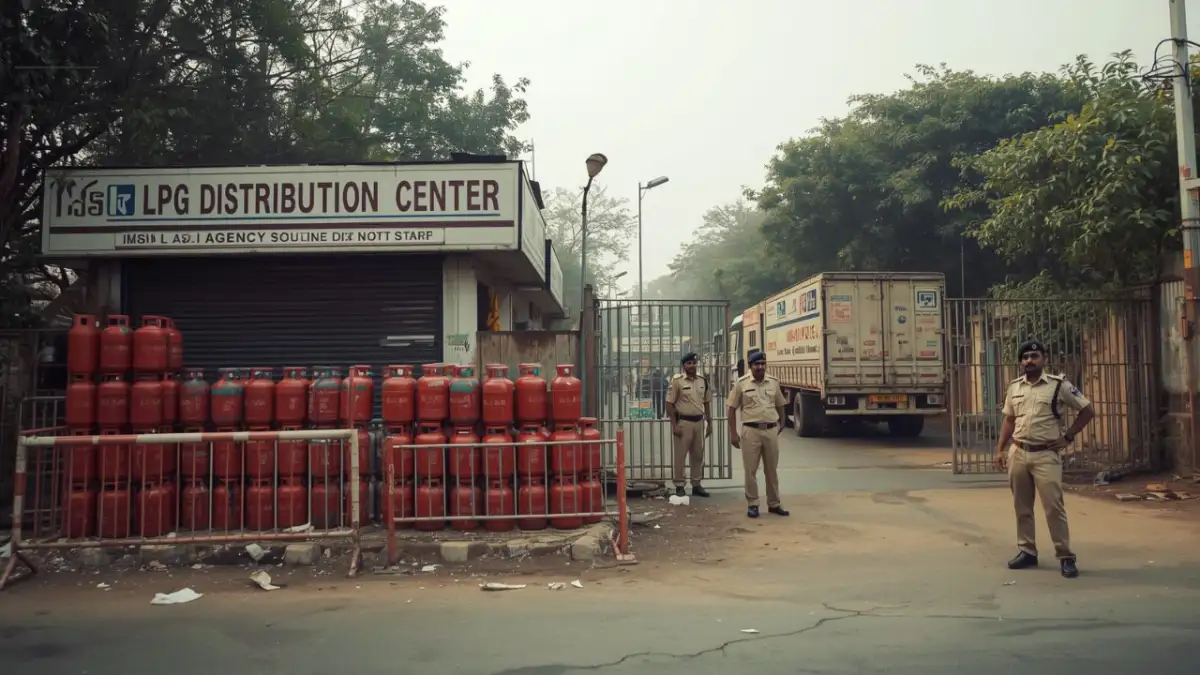
Vijayapura district officials have asserted that there is no domestic Liquefied Petroleum Gas (LPG) cylinder scarcity within the district, urging residents against panic. Gas company representatives echoed this sentiment.

Local administrators promised that each family would receive their allotted 15 domestic cylinders annually and advised citizens against bringing empty cylinders to agency offices, assuring doorstep delivery. Investigations are underway to curb the hoarding of both commercial and domestic cylinders.

Meanwhile, reports from other regions paint a more complex picture. Bharat Petroleum has stated that domestic households are being prioritized as LPG supplies are rationed. This rationing has led to some significant impacts:

The Shirdi Sai Baba Trust has a 15-day LPG stock.
Authorities in Nagpur have launched raids to combat black marketing.
The Kashi Vishwanath Temple has altered its prasad preparation due to the shortage.
In Jhansi, police recovered 524 stolen cylinders and arrested seven individuals.
The underlying cause appears to be disruptions linked to global energy supply chains, particularly due to conflicts in West Asia, which are straining shipments through the Strait of Hormuz. Despite these wider issues, various state governments, including those in Rajasthan and Kerala, have assured their residents of adequate stock and advised against panic buying. However, concerns persist, with some opposition members of parliament demanding parliamentary debate on the matter and questioning the nation's import dependence and storage capabilities.
Prices for both domestic and commercial LPG cylinders have seen an increase, with a 14.2 kg domestic cylinder now costing upwards of Rs 900 in metro cities, and commercial cylinders reaching significantly higher figures. Bihar, for instance, reports domestic LPG prices at Rs 1,002.50.
In response to these supply chain strains, the government is reportedly increasing production and exploring alternative fuel options for small and medium enterprises and hotels. Induction stoves have seen a surge in demand, with many going out of stock online as worries about household supply shortages mount. Some states, like Uttarakhand, have developed contingency plans, prioritizing essential services such as hospitals and educational institutions for commercial gas cylinder allocation.
Prime Minister Narendra Modi has addressed the situation, condemning those who create panic and warning against black marketing activities. Some LPG distributors have approached the Bombay High Court regarding supply crunch issues. The implications extend to businesses, with reports of restaurants curtailing menus, corporate cafeterias adjusting operations, and wedding caterers facing rising costs and seeking alternative solutions. Small industries are also reporting production hits due to gas supply disruptions.
The broader economic impact is also a consideration, with rising oil prices potentially affecting the wider economy. Some have attributed the situation partly to a failure to adequately plan infrastructure despite increased LPG consumption.