The state government's initiative offering completely free public transport across Victoria is set to conclude on Monday, June 1, 2026. Following this, a new scheme will introduce half-price fares for all passengers, a measure intended to provide ongoing cost-of-living relief and will remain in effect until the end of the year.
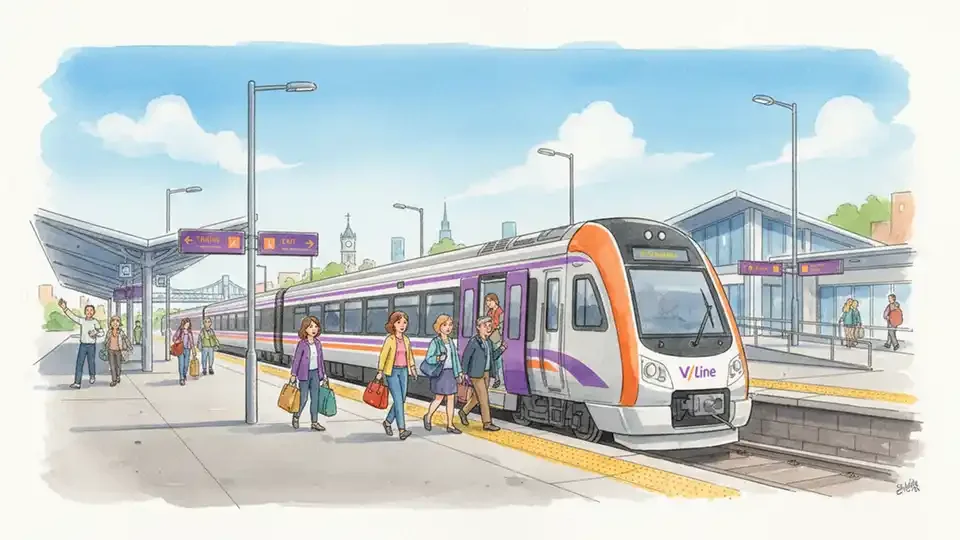
This transition marks the end of a period of fare waivers that began in April 2026. Initially introduced as a cost-saving measure amidst rising fuel prices and global tensions, the program saw free travel extended through May. During the free travel phase, passengers on trains, trams, and buses were not required to tap on or purchase tickets. Special provisions were made for V/Line services, where seat reservations remained unavailable on most trains, though group travel booking requirements largely stayed the same.
Read More: Elizabeth Line Helps Londoners During Tube Strike on July 6
The extension of free travel throughout May aimed to provide continued relief for Victorians. Data from the period indicated a roughly 10 percent increase in patronage across both metropolitan and regional public transport networks. While this suggests an uptake in usage, one perspective highlighted that the fare-free period has not necessarily instigated a fundamental change in overall travel habits for many, serving more as an immediate financial balm.
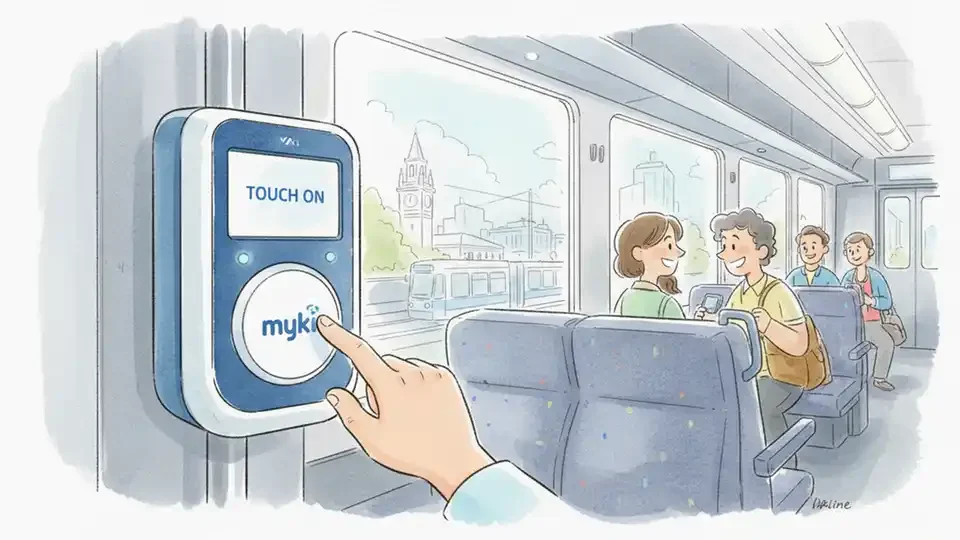
From June 1, passengers will be required to tap on with their Myki cards as fares resume, albeit at a reduced rate. This half-price structure will apply to both full-fare and concession passengers across all public transport modes within Victoria. Public transport will, however, continue to be permanently free for individuals under 18 and those holding special concession cards. The government has stated this phased approach to fare relief, moving from free to half-price, is part of a broader strategy to address economic pressures faced by residents.
Read More: Moira Deeming court case stops Liberal Party removal on 7 April 2026
The initial implementation of free public transport in April was reportedly a response to a surge in fuel prices, influenced by global events. The extension through May was an additional step in providing financial respite. While specific usage figures show an increase, particularly on regional train lines, the broader impact on long-term travel behavior remains an open question.