The air at Anfield, usually thick with the roar of the Kop, carries a subtle undercurrent of anticipation and uncertainty. At the heart of this tempest is Virgil van Dijk, the colossus who has defined Liverpool's defense for years. Now, with his contract nearing its twilight and his 35th birthday looming, the question on every fan's lips is: what's next for their captain? While whispers of progress on a new deal offer a glimmer of hope, the defender's candid reflections on retirement and his future in football demand a closer, critical look. This isn't just about a player; it's about the bedrock of a dynasty.
The Neville-Van Dijk Dialogue: Punditry, Performance, and Promises
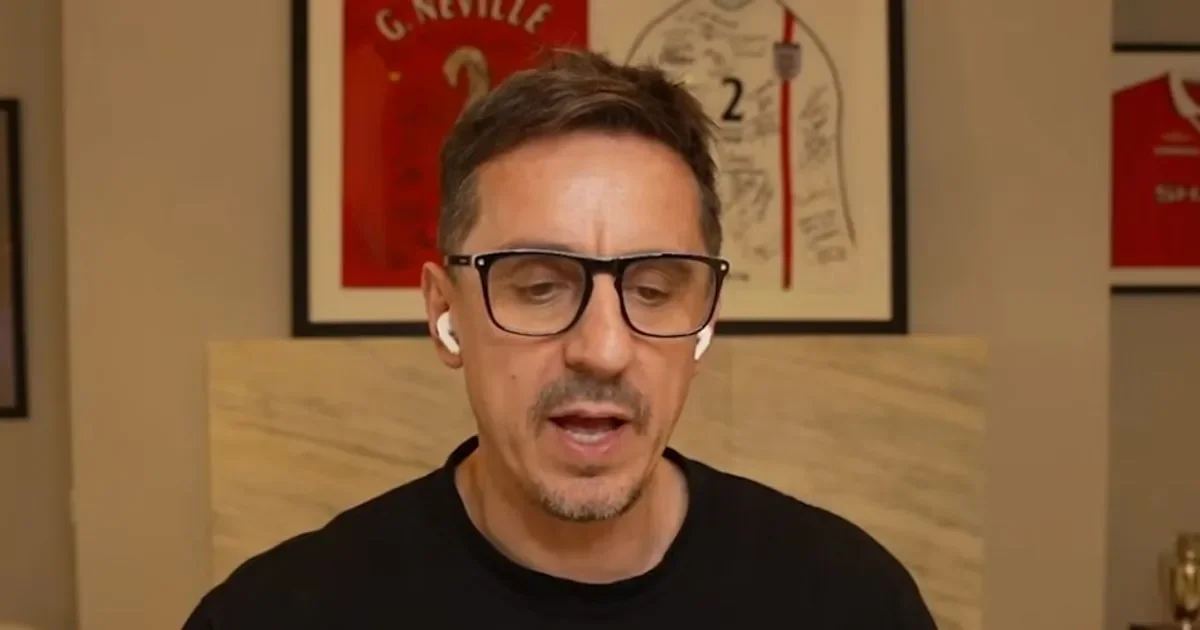
The recent chat between Virgil van Dijk and Gary Neville has illuminated more than just the defender's personal plans; it's also highlighted a subtle but significant dynamic in football punditry. Neville, a figure often critical of Liverpool, has found himself singing Van Dijk's praises, calling him "one of the bedrocks" of the team. But is this genuine admiration, or a strategic shift in narrative?
Read More: Man Utd Stalls Lewis Hall Transfer to Prioritize Midfield Signings
Neville has repeatedly emphasized Van Dijk's "complete" defender status, noting his rare combination of skills and experience.
He's also suggested a "duty of responsibility" from ex-top players towards the younger generation of footballers, a point Van Dijk echoed.
"I feel like the ex-top players have a responsibility to the new generation." - Virgil van Dijk
This statement, coming from Van Dijk, raises questions about the role of established figures in shaping the public perception of emerging talent. Are these comments designed to offer genuine mentorship, or to subtly influence younger players and their career trajectories? Neville's strong endorsements, particularly when he's previously been a vocal critic, invite scrutiny.
Contractual Conundrums: Progress or Prevarication?
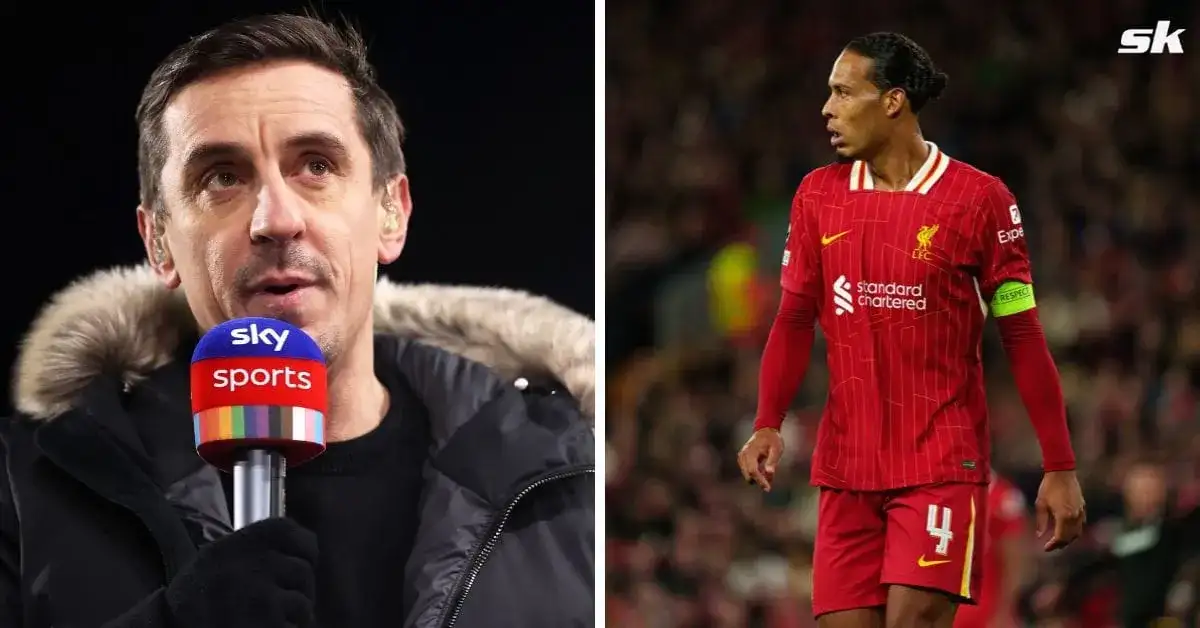
The most immediate concern for Liverpool supporters revolves around Van Dijk's contract. While the defender himself revealed "progress" in negotiations, the exact nature of this progress remains opaque. He's entering the final 18 months of his current deal, a crucial period for any player of his stature, especially one approaching his mid-thirties.
March 2025: Van Dijk stated he had "no idea" if he would remain at Anfield.
April 2025: Following a defeat to Fulham, he announced "progress" in contract talks.
| Fact | Detail | Implication |
|---|---|---|
| Contract Status | Nearing final 18 months. | Creates natural urgency for renewal discussions. |
| "Progress" Claim | Vague statement about ongoing negotiations. | Could mean anything from a firm offer to preliminary talks. Fans crave clarity. |
| Age Factor | Turns 35 in July. | Liverpool's contract length and terms will be heavily influenced by longevity projections. |
| Player Stance | Previously unsure, now hinting at continued talks. | Suggests a desire to stay, but external factors (offers, club ambition) may still play a role. |
What does "progress" truly mean in this context? Is it a mutually agreed-upon extension already drafted, or merely a series of conversations that haven't yielded concrete results? The lack of definitive confirmation leaves room for speculation, particularly given the high stakes involved for both the player and the club.
Read More: Liverpool FC Loses Key Players as Contracts Expire in Summer 2024
Beyond Anfield: Retirement's Long Shadow
Van Dijk's discussions about retirement are perhaps the most poignant. He's openly admitted that retirement plans are "surely in his thoughts." This isn't the vague musing of a player clinging to the end of his career; it's a clear indication of a mind preparing for a post-playing future.
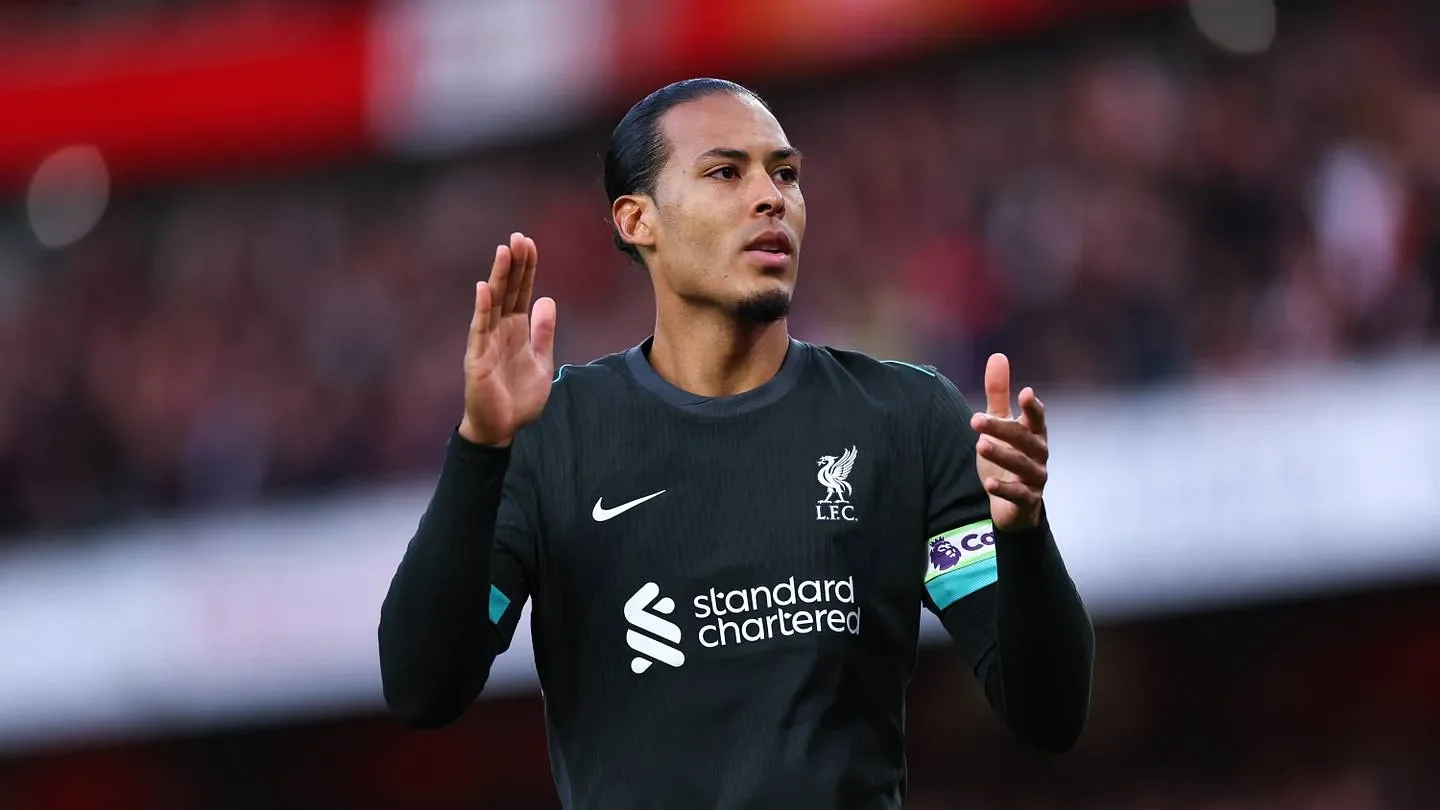
International Retirement: Van Dijk has hinted at plans to retire from international duty after the World Cup, a move that could potentially benefit his club fitness.
Club Retirement: He's also clear about not wanting to return to the Eredivisie, his former stomping ground, after his Liverpool tenure.
Post-Playing Career: While not envisioning a managerial role, he expresses a desire to remain "behind-the-scenes" in football, perhaps working with younger players.
"I am very clear that I do not want to return to the Eredivisie." - Virgil van Dijk
This deliberate clarification about his post-playing ambitions – ruling out a return to his homeland's top flight and avoiding the dugout – suggests a structured approach to his future. But what does this clarity mean for his immediate focus? Does the impending end of his playing career cast a shadow over his current commitments, or does it fuel a desire to leave on the highest possible note?
The Neville-Carragher Consensus: Van Dijk's Indispensability
Both Gary Neville and Jamie Carragher, often differing in their opinions, find common ground when it comes to Van Dijk's importance to Liverpool. Their agreement is striking, especially when contrasted with discussions about other key players like Mohamed Salah and Trent Alexander-Arnold.
Read More: FIFA Moves Mexico vs England Match 6 Hours Earlier
Premier League Title Legacy: Both pundits believe Liverpool would not have won their historic Premier League title without Van Dijk, particularly in the absence of Rodri from Manchester City during a crucial period.
Unquestioned Importance: While acknowledging Salah's brilliance and Alexander-Arnold's talent, they consistently highlight Van Dijk as the "most important" player in the squad, the true linchpin.
| Player | Neville/Carragher View | Nuance |
|---|---|---|
| Virgil van Dijk | "Most important," "bedrock," "cannot take out of team." | The essential foundation, without whom key successes would be impossible. |
| Mohamed Salah | "Amazing." | A crucial attacking threat, but perhaps less fundamental to the team's structure. |
| Trent Alexander-Arnold | "Fantastic." | Brilliant in his role, but recent discussions (from Carragher) suggest potential tactical limitations. |
This strong consensus suggests that Van Dijk's impact transcends mere statistics. He embodies leadership, defensive solidity, and a calming presence that elevates the entire team. But if he is indeed this indispensable, what does his potential departure mean for Liverpool's future recruitment and tactical approach? Are the club truly prepared for life without him?
The Echoes of Past Transfers: A Critical Lens on Squad Evolution
Liverpool's history is dotted with impactful signings that have defined eras. The acquisition of Virgil van Dijk from Southampton in January 2018 for a reported £75 million (a world-record fee for a defender at the time) was undoubtedly one of the most transformative. Before him, Liverpool's defense was often seen as a vulnerability, leading to heartbreaking near-misses in competitions.
Pre-Van Dijk Era: Liverpool reached the Champions League final in 2018 without Van Dijk, but defensive frailties were evident.
Van Dijk's Impact: His arrival immediately shored up the defense, culminating in Champions League glory in 2019 and the long-awaited Premier League title in 2020.
Van Dijk's signing wasn't just a player acquisition; it was a paradigm shift for Liverpool's defensive identity and trophy-winning capability.
Now, as Van Dijk contemplates his future, the club faces a familiar crossroads. Will they find another transformative figure, or will they rely on a more collective approach, integrating emerging talents like Jarell Quansah? The club's ability to seamlessly transition will be a testament to its long-term strategic planning, or a painful reminder of the irreplaceable nature of certain stars. What lessons has the club learned from past periods of transition, and how will they be applied now?
Read More: Liverpool reportedly parts ways with Arne Slot, Andoni Iraola now in contention
A Captain's Responsibility: Beyond the Whistle
Van Dijk's comments about punditry's responsibility to younger players suggest a deeper understanding of the game's evolving landscape. He's not just a player; he's a captain, a leader, and an elder statesman within the sport. His introspection about retirement and his future role implies a desire to contribute meaningfully, even after hanging up his boots.
Does his "clarity" on retirement mean he's already mentally checked out of long-term commitments at Liverpool, or is it a signal of focus on immediate, impactful performances?
What does his desire to work "behind-the-scenes" entail? Is it a mentorship role within Liverpool, a broader football initiative, or something else entirely?
The weight of captaincy, coupled with the awareness of his own career's finite nature, appears to be shaping Van Dijk's perspective on legacy and future contributions.
The coming months will be crucial. Liverpool fans will be desperately hoping for definitive news on Van Dijk's contract, a decision that will undoubtedly shape the team's trajectory. Regardless of the outcome, his candid reflections offer a fascinating glimpse into the mind of a player at the pinnacle of his career, contemplating the inevitable twilight and his place in the game's unfolding narrative. The ultimate question remains: will this chapter end with another triumphant farewell, or a quiet, yet significant, transition?
Read More: England vs Mexico World Cup Match Kick-off Time Unchanged Despite Weather