Valentine's Day, observed annually on February 14th, is a widely recognized occasion, primarily in Western societies, often associated with romance and expressions of love. However, the day's origins and modern-day observances reveal a complex tapestry woven from religious history, ancient rituals, literary traditions, and shifting social customs. As the holiday continues to evolve, it reflects broader societal patterns in how affection and meaning are communicated.
Historical Roots and Transformation
The observance of Valentine's Day on February 14th is linked to early Christian traditions honoring a martyr named Valentine. Its transformation into a widespread celebration of romance is a more recent development.
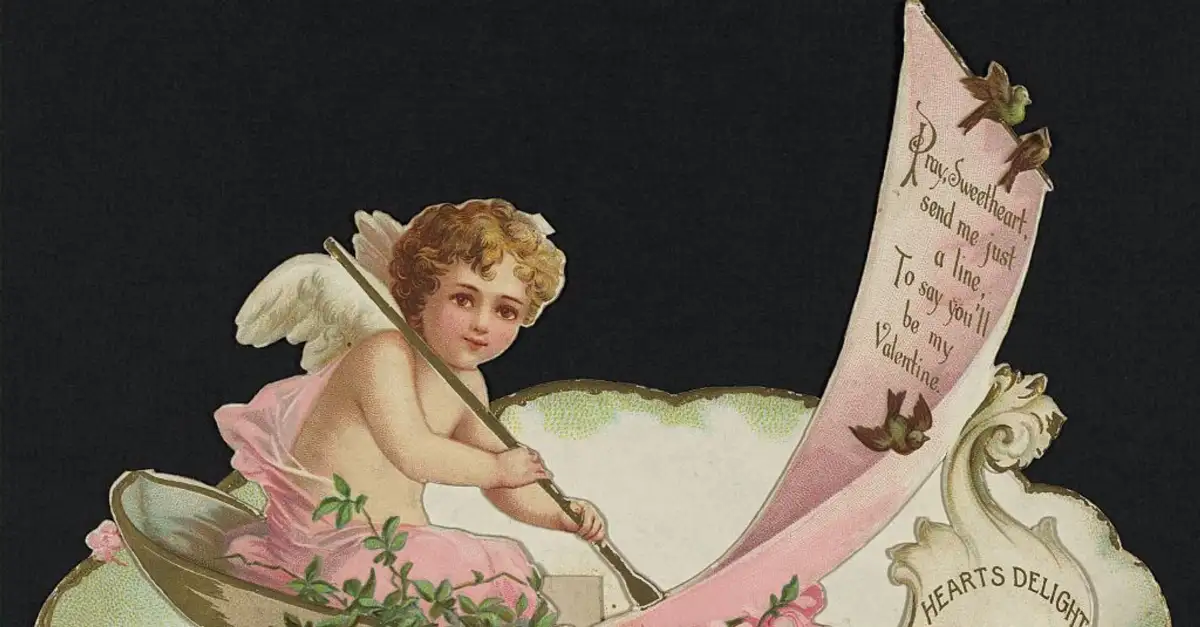
Christian Origins: Valentine's Day, or Saint Valentine's Day, originated as a Christian feast day commemorating a martyr named Valentine.
Ancient Influences: Some accounts suggest the day may have replaced or evolved from the Roman festival of Lupercalia, an ancient fertility rite.
Association with Romance: The connection of Valentine's Day with romantic love is believed to have solidified around the 14th century. The precise reasons for this association and its specific establishment in February remain subject to varying interpretations.
Alternative Dates: Historical traditions sometimes linked the day of love to other dates, such as Saint Gregory's Day (March 12th) or Saint Vincent's Day (February 22nd).
Contemporary Romantic Landscape
In contemporary America, Valentine's Day prompts reflection on the state of romance and partnership, particularly among younger adults.

Unpartnered Individuals: Younger adults are more likely to be unpartnered, and a significant portion of the population experiences feelings of loneliness.
Financial Impact: The holiday can also have financial implications, prompting consideration of how Valentine's Day affects personal spending.
Sociological Perspectives: Experts like Pepper Schwartz, a professor of sociology, offer various interpretations of Valentine's Day and its role in society, emphasizing that it's a time to review the landscape of relationships.
Emerging Relationship Dynamics: The Rise of "-ships"
Recent years have seen the emergence of new relationship dynamics, such as "situationships," often characterized by a lack of formal commitment.
Read More: Macy's Fireworks Tonight: Watch Live on NBC and Peacock

Reasons for Preference: Many individuals opt for situationships as committed relationships often demand a higher degree of accountability.
Behavioral and Personal Factors: Psychologists note that people are increasingly categorizing potential partners based on a range of criteria, including behavior, appearance, actions, communication, "love languages," gender, social status, and financial stability.
Personal Choice: For some, these less-defined relationships might become a permanent choice, while others actively seek alternatives.
Divergent Views on Valentine's Day
Attitudes toward Valentine's Day are not uniform, with a mix of enthusiasm and ambivalence prevalent.
Mixed Public Opinion: Despite its commercial expansion, public sentiment towards Valentine's Day remains divided.
Anti-Valentine's Day Activities: For those who do not embrace the romantic aspects of the holiday, alternative events like DJ nights and "single tours" are organized.
Cultural Variations: In some countries, like Finland, Valentine's Day is celebrated as "Friend's Day" (Ystävänpäivä), highlighting its varied cultural interpretations. In other regions, traditions like "White Day" exist, where women reciprocate gifts received on Valentine's Day.
The Enduring Role of Music in Love
Music has consistently played a significant role in how love is expressed and experienced, particularly in relation to romantic milestones. The integration of music into Valentine's Day celebrations underscores its persistent influence in conveying affection and meaning.
Conclusion and Future Considerations
Valentine's Day persists as a multifaceted holiday, blending historical reverence with contemporary expressions of love and partnership. The emergence of less defined relationships like situationships and the ongoing discourse around romance and loneliness in places like America indicate a dynamic social landscape. As societal habits evolve, Valentine's Day will likely continue to mirror broader trends in how individuals communicate affection and forge connections, while its historical roots remain a point of interest and interpretation.
Sources Used:
The Hindu: Valentine’s Day | Love in the era of -ships?
Published: 9 minutes ago
Link: https://www.thehindu.com/life-and-style/valentines-day-love-in-the-era-of-ships/article70614492.ece
Context: Discusses the trend of "situationships" as an alternative to committed relationships, citing psychological perspectives on evolving relationship preferences.
USA Today: On Valentine's Day, we ask: What's the state of romance in America?
Published: 12 hours ago
Link: https://www.usatoday.com/story/graphics/2026/02/11/valentines-day-romance-america/88495304007/
Context: Examines the current state of romance and partnership in America, its connection to Valentine's Day, and insights from sociological experts on modern relationships.
Hindustan Times: Valentine's Day 2025: Why do we celebrate the day of love on February 14? Know history behind it
Seen on: AOL
Context: Explores the historical origins of Valentine's Day, specifically addressing why it is celebrated on February 14th and its roots in the Roman festival of Lupercalia.
Stacker: Love, history and harmony: Valentine’s Day then and now
Published: Feb 3, 2026
Link: https://stacker.com/stories/history/love-history-and-harmony-valentines-day-then-and-now
Context: Provides an overview of Valentine's Day, tracing its evolution from ancient rituals and literary traditions to its modern commercial and social significance, noting mixed public attitudes and the role of music.
Wikipedia: Valentine's Day
Seen on: AOL
Context: Offers a comprehensive overview of Valentine's Day, including its origins as a Christian feast day, its development into a celebration of romance, and its observance in different cultures.
World History: Valentine's Day
Published: Mar 5, 2021
Context: Details the origins and history of Valentine's Day, discussing its international observance, its potential links to ancient Roman festivals, and the association with romantic love.
Real Simple: Valentine's Day History, Why We Celebrate, and More
Published: Jan 26, 2026
Link: https://www.realsimple.com/holidays-entertaining/holidays/valentines-day/history-of-valentines-day
Context: Covers various aspects of Valentine's Day, including its history, meaning, and whether it is an official holiday, noting its dual nature as a religious feast day and a secular celebration of romance.
Britannica: Valentine’s Day | Definition, St. Valentine, History, & Traditions
Published: 1 day ago
Context: Provides a definition and history of Valentine's Day, explaining its origins, why it is celebrated, who it is named after, and its traditions, noting its association with romance began around the 14th century.