

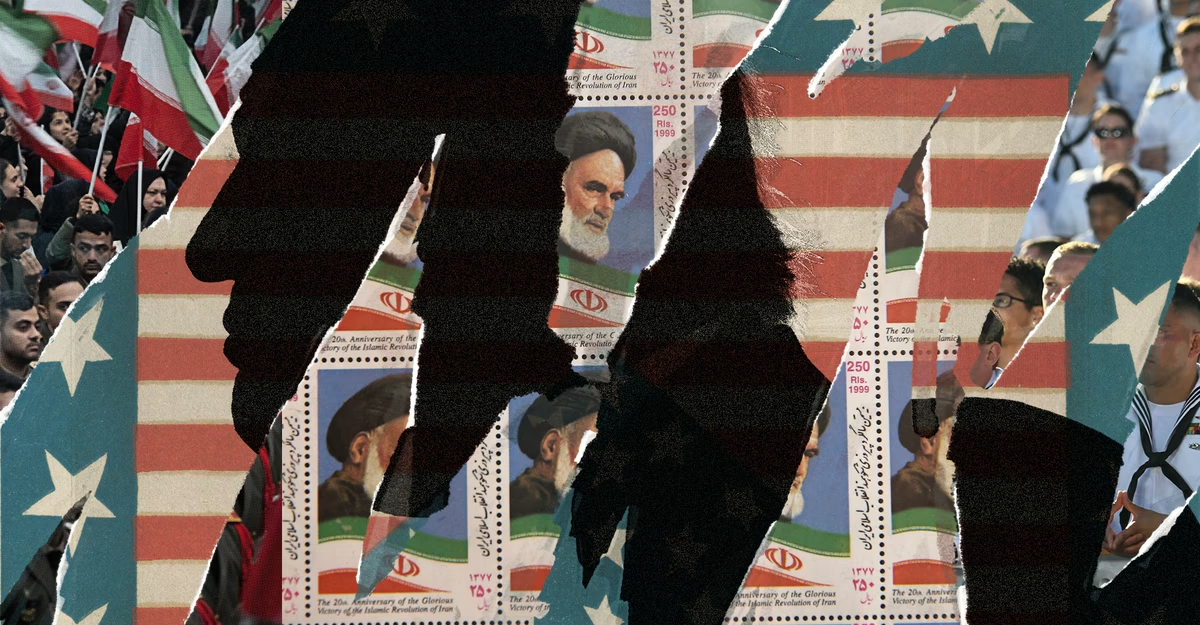
WASHINGTON D.C. - The United States Central Command (CENTCOM) has issued a stark warning to civilians within Iran, urging them to seek shelter. This advisory comes amid U.S. intentions to strike targets believed to be operating from residential areas. Such actions, according to international law, risk legitimizing attacks on locations used for military purposes, thereby endangering the civilian population.
CENTCOM's declaration implies that Iranian government's deployment of military assets within civilian zones is directly placing its citizens in harm's way. This tactic, previously observed in conflicts involving actors like the Israeli military, raises significant ethical and legal questions surrounding the conduct of warfare and the protection of non-combatants.
Iranian Regime Faces Internal Pressures
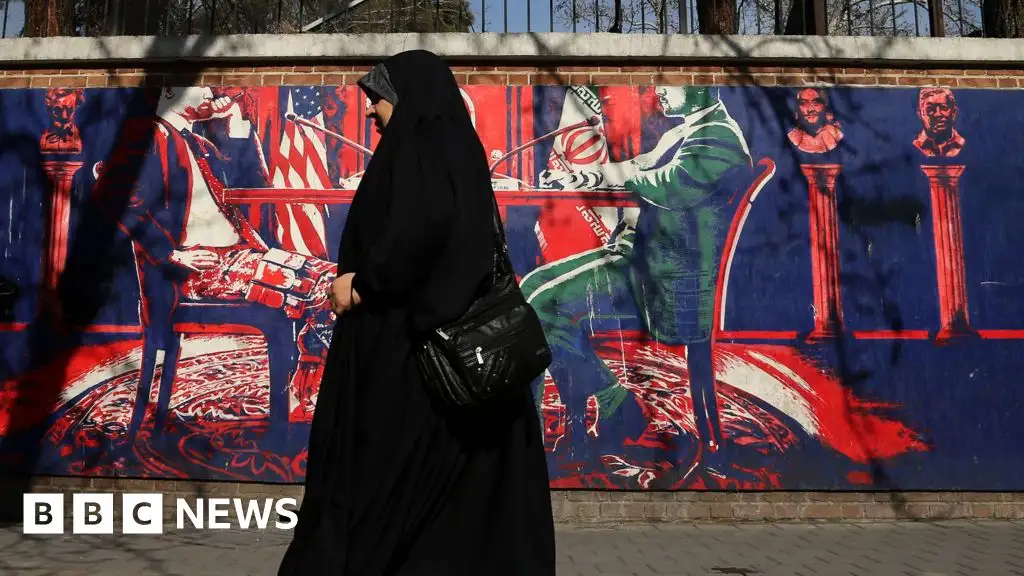
The Iranian regime is reportedly grappling with an 'existential crisis,' with internal dynamics potentially influencing its response to external pressures. Analysts suggest that such external aggression, particularly from the United States and Israel, could galvanize domestic support for the regime by fostering a "us versus them" mentality. The Iranian population's perception of these events will be a crucial factor in determining the regime's long-term stability and its strategic choices.
Read More: Israel expects 3 more weeks to hit Iran military sites in Tehran
Threats Extend to U.S. Homeland
Concerns are escalating regarding Iran's potential to launch attacks on American soil. Security analysts point to cyber warfare as a probable avenue for such actions, aiming to disrupt U.S. defenses and project offensive capabilities. Historically, Iran has targeted high-profile entities within the United States. Current legal proceedings in New York involving an alleged plot to assassinate U.S. political figures on behalf of Iran's Revolutionary Guard underscore the tangible nature of these threats.
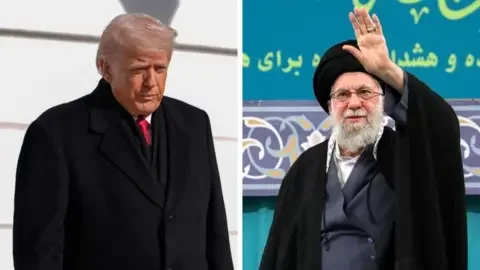
The ongoing regional military engagements involving the U.S. and Iran have heightened anxieties about direct threats to the U.S. mainland, prompting a state of heightened alert among security officials.
Regional Jitters and Economic Vulnerabilities
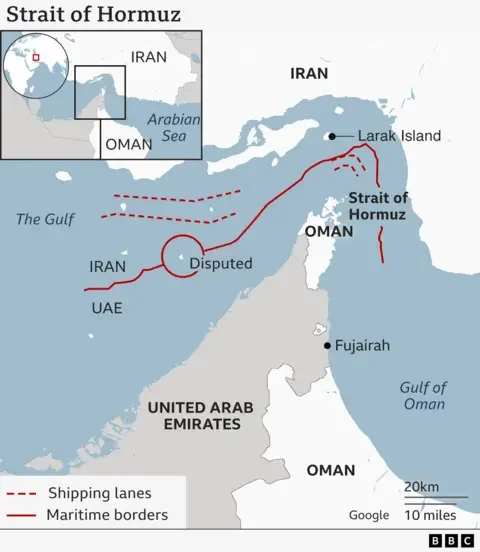
U.S. allies in the Gulf region are reportedly experiencing significant unease, fearing that any U.S. military action against Iran could have repercussions for their own territories. Iran's economic infrastructure, notably through entities like the Islamic Revolutionary Guard Corps (IRGC), is deeply intertwined with its broader operational capacity. Furthermore, the narrow Strait of Hormuz, a critical maritime passage between Iran and Oman, represents a significant geopolitical and economic vulnerability that could be exploited or impacted.
Read More: Dubai Drone Attack: Reality Star Arabella Chi Shares Bikini Photos Amid Evacuation Fears
Broader U.S. Strategy and Uncertain Outcomes
Previous U.S. military actions against Iran, such as those in June, were ostensibly aimed at curbing the nation's nuclear program. However, the effectiveness and scope of such interventions remain subjects of debate, with claims of crippling Iran's nuclear development juxtaposed against continued regional instability. The long-term consequences of these actions, including the potential for 'regime change' without direct U.S. ground involvement, are yet to unfold. The ultimate trajectory of the conflict and its impact on Iran's future appear to be dependent on a complex interplay of U.S. policy, regional actors, and internal Iranian dynamics, rather than solely on decisions made by any single leader or nation.
Read More: AI-Generated Claim About IRGC Capturing Delta Force Debunked