

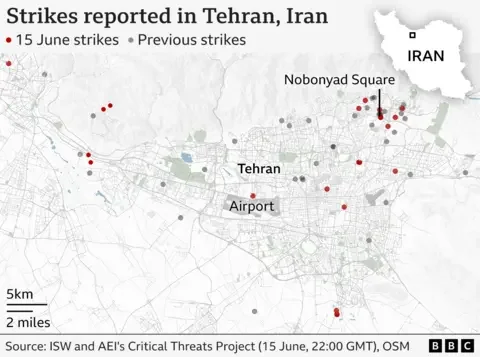
Operations Targeting Iranian Military Infrastructure Ongoing
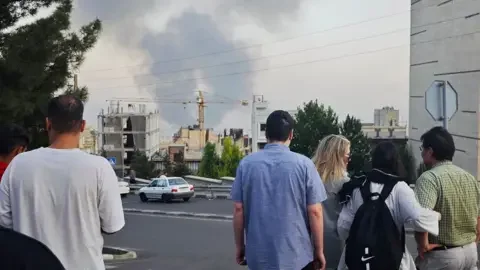
Israel anticipates needing approximately three more weeks to dismantle Iran's military capabilities, according to a defense official speaking on condition of anonymity. This timeline emerges amidst ongoing Israeli strikes on Iranian infrastructure, with the latest reported actions targeting central Iran and the capital, Tehran. The stated objective is the eradication of Iran's military capacity, a process framed by Israeli officials as a necessary, preemptive action against a long-term Iranian threat.
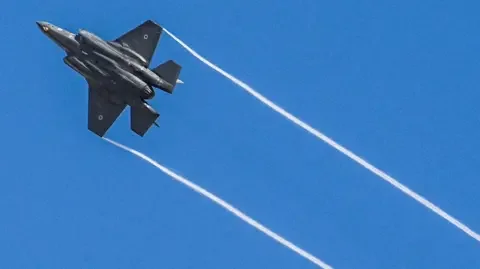
Reports indicate that Israel deployed 80 fighter jets in a recent wave of attacks. Iranian missile launches toward Israel have continued, leading to a cycle of retaliatory strikes. Oil prices have seen a significant surge following the initiation of hostilities by the United States and Israel against Iran.
Contextualizing the Conflict
The current phase of hostilities follows the confirmation of Mojtaba Khamenei's ascension as the new supreme leader of Iran, a development occurring shortly after Donald Trump's announcement of the death of the previous supreme leader, Khamenei. The United States has reported the seventh service member fatality in the ongoing conflict.
Read More: Dubai Drone Attack: Reality Star Arabella Chi Shares Bikini Photos Amid Evacuation Fears
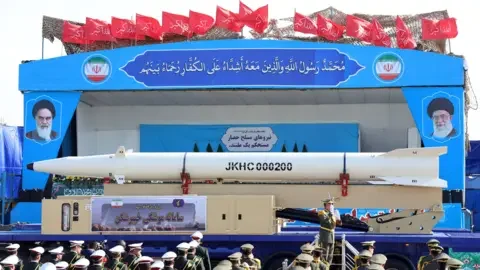
Earlier Israeli assessments suggested Iran possessed around 2,500 surface-to-surface missiles at the onset of the campaign, with projections of that number reaching 8,000 within two years. Israeli military sources, however, indicate no immediate shortage of interceptors for their side. The effectiveness of Israeli strikes on Iranian leadership is viewed as a substantial blow, though the precise impact on Tehran's retaliatory capacity remains a subject of observation. Key Iranian nuclear enrichment sites, such as Fordow, have reportedly not yet been directly targeted, a detail that analysts suggest could influence future Iranian responses.

Background Dynamics
The conflict's roots extend to previous Israeli actions, including the elimination of top Iranian military figures, which aimed to degrade Iran's nuclear capabilities and retaliatory potential. The IDF chief has cautioned the Israeli public to prepare for a "prolonged campaign" against Iran, citing years of Iranian planning and the operationalization of its capabilities as the impetus for preemptive strikes. The asymmetry in military size between Israel and Iran is a persistent factor, though Israeli operations have aimed to mitigate Iran's response through decapitation strikes.
Read More: AI-Generated Claim About IRGC Capturing Delta Force Debunked