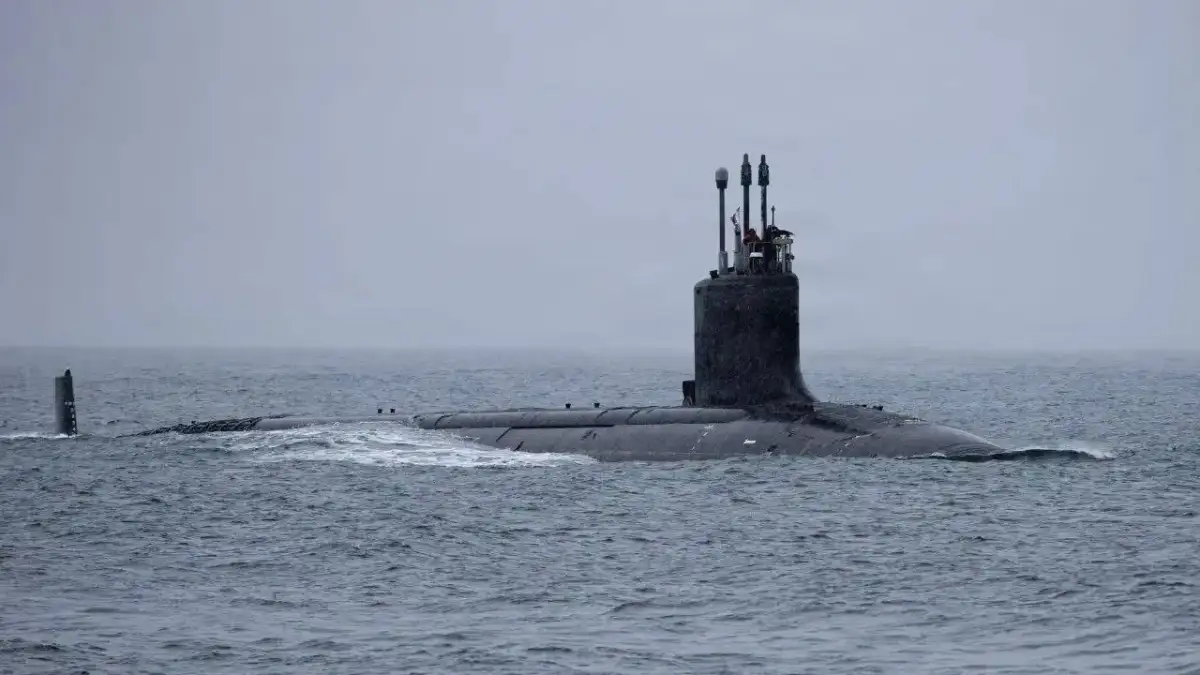
An incident in the Indian Ocean saw a US submarine sink the Iranian frigate IRIS Dena, killing 87 sailors and leaving 32 survivors adrift before rescue operations were initiated by Sri Lanka. The aftermath has ignited debate concerning potential war crimes, particularly regarding the submarine's alleged failure to offer aid to the shipwrecked.
Survivors' Fate Fuels War Crime Allegations
"Attacking them would be a war crime," stated Marko Milanovic, a professor of international law at the University of Reading.
The IRIS Dena, carrying nearly 130 crew members, was struck in international waters. Reports indicate the US submarine departed the scene without attempting to rescue the survivors or alert relevant authorities. This action has drawn sharp criticism, with legal experts pointing to established international humanitarian law that mandates searching for and collecting shipwrecked individuals after an engagement.
The U.S. Navy's own "Handbook on the Law of Naval Operations," while acknowledging military exigencies, generally requires taking "all possible measures" to search for and assist shipwrecked sailors.
Read More: FIFA Congress: Palestinian official refuses handshake with Israeli counterpart
International Law and Naval Warfare
The applicability of international humanitarian law, also known as the Law of Armed Conflict or jus in bello, hinges on the existence of an armed conflict. If US forces engaged an Iranian naval vessel, this would legally constitute an international armed conflict. Under such conditions, attacking legitimate military objectives is permissible.
Naval warfare historically presents fewer legal restrictions than land combat. However, obligations concerning the treatment of enemy combatants and non-combatants, including the rescue of survivors, remain.
Context of the Attack
The IRIS Dena had recently participated in naval exercises alongside American personnel prior to the attack. This detail has raised questions about the intelligence gathered during these joint operations and its subsequent use for targeting.

While some analysts, like former US Navy Captain Carl Schuster, suggest the Dena presented a threat in the current climate of US-Iran hostilities, others emphasize the obligation to rescue.
Read More: US Halts Iran War for 2 Weeks; Congress May Not Approve
Conflicting Legal Interpretations
While some legal experts argue the attack itself may not have violated international or American military law, the crucial point of contention remains the submarine's conduct post-attack regarding survivor rescue.

There is no clear prohibition against using intelligence gained during multilateral exercises to target a participating ship. However, exceptions to the obligation of rescue for submarines are limited and often debated, particularly given their limited capacity to carry survivors. Historically, some German U-boats during World War II surfaced to assist those they torpedoed.
The United States' Central Command (CENTCOM) has been contacted for comment regarding compliance with relevant articles of international humanitarian law. Sri Lanka's navy did receive a distress signal from the IRIS Dena and dispatched assets for a rescue mission.