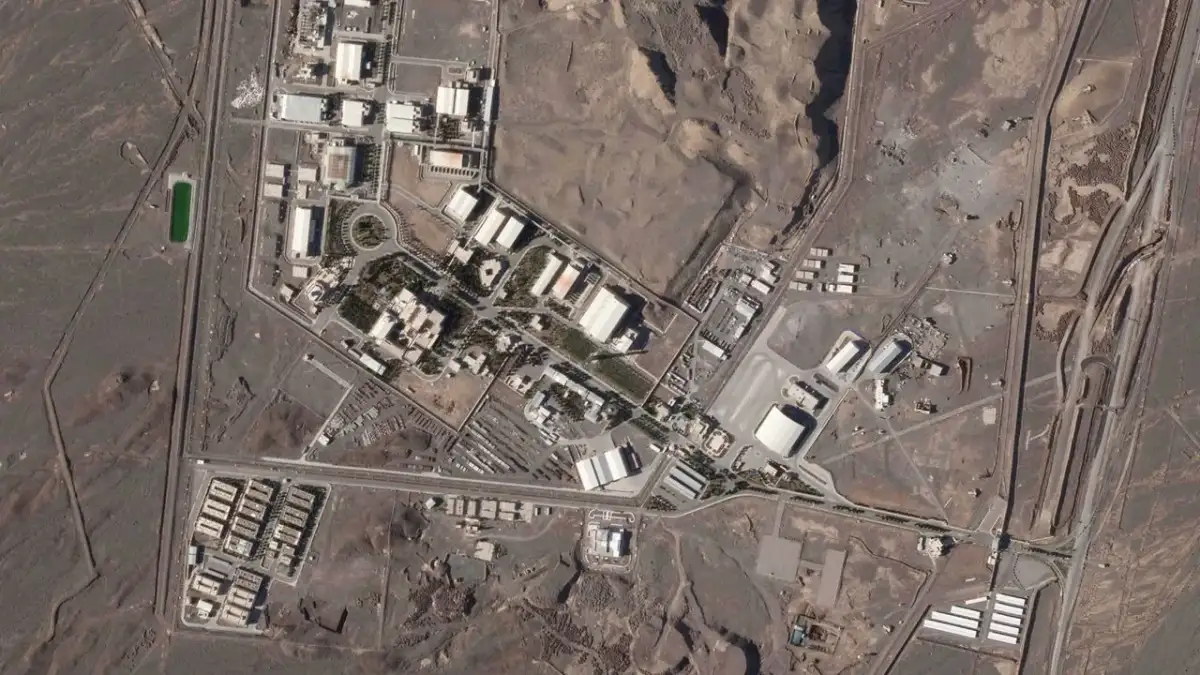
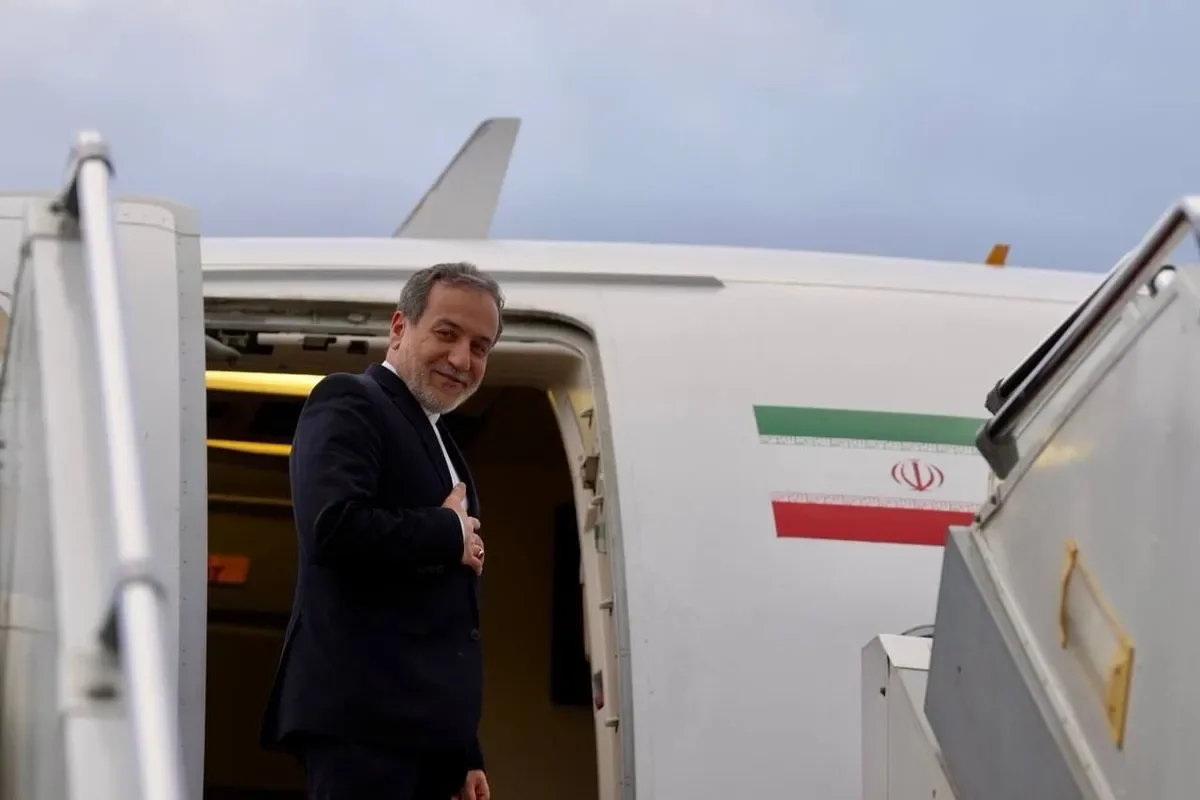
The United States has launched extensive strikes against Iran, termed "Operation Epic Fury," with officially stated objectives of halting Tehran's nuclear program and forcing regime change. Concurrently, Iran has retaliated with missile assaults on Israel and American military installations across the region, including those in Bahrain, Iraq, Kuwait, Jordan, Qatar, Saudi Arabia, and the United Arab Emirates. This escalation follows the assassination of Qassem Soleimani, head of Iran's Islamic Revolutionary Guard Corps, by order of President Trump during his first term, an action Trump could have previously discouraged but ultimately initiated, making him accountable for subsequent events.

President Trump's administration has presented a shifting and sometimes contradictory rationale for the military action against Iran. Initial justifications pointed to Iran's alleged preparations for preemptive strikes against U.S. forces in the region. More recently, the focus has pivoted towards Iran's nuclear program and its missile capabilities, with stated aims to "destroy Iranian offensive missiles, destroy Iranian missile production, destroy their navy and other security infrastructure." This approach culminates in a "maximalist statement of total war aims" on Truth Social, demanding "UNCONDITIONAL SURRENDER."
Read More: Iran Zagros Mountain Nuclear Site Construction Update April 2026

Despite these explanations, a significant portion of the American populace remains unconvinced about the necessity of the attack. Public opinion, as indicated by recent polling, suggests that most Americans do not view the assault on Iran as being in the country's best interest.

The conflict's immediate consequences extend beyond the immediate combat zones, with indications that the disruptions in the Middle East will lead to higher wholesale energy prices. This, in turn, is expected to translate into increased prices at the pump globally, potentially leaving individuals financially worse off. The rising cost of Brent crude oil already reflects this economic instability.

Adding to the complex landscape, the U.S. has faced conflicting narratives regarding its objectives. Defense Secretary Pete Hegseth has stated that the conflict is not about regime change, despite earlier suggestions from President Trump that the actions were intended to facilitate such a shift. The administration has provided a "wide range of reasons" for the engagement, further muddying the waters.
Read More: Why AI Market Growth Is Slowing Down As Of April 2026
The broader strategic implications are under scrutiny. Some analysts suggest that Trump may have miscalculated the Iran campaign, anticipating it would unfold similarly to swift, limited operations seen previously, such as the January raid in Venezuela or the June strike on Iran's nuclear sites. The potential for American casualties is also a significant concern, with experts noting that such losses could hasten an end to the war, a scenario Iran may be counting on.
Historical Context and Preceding Events
The current military engagement appears to be an escalation of tensions that have simmered for some time. Trump's administration has a history of targeted operations, but the current scale of conflict marks a departure. The assassination of Soleimani, while occurring earlier in Trump's tenure, is presented as a foundational event. The relationship between the U.S. and Israel is characterized as one where the U.S. holds a senior position, dictating terms, and thus bears responsibility for the ensuing outcomes.
Read More: 40 Die in Quetta to Peshawar Bus Crash in Balochistan on April 3 2026
The rationale behind the attacks has been fluid, with differing official statements and actions. President Trump himself has been quoted expressing a view that Iran "was going to attack first," while simultaneously, media reports highlight instances where he appears to contradict other administration officials and even himself on the evolving justifications. Efforts toward mediation have also been noted, with the Iranian president reportedly indicating that some countries have initiated such processes.
The long-term viability of Trump's strategy is also being questioned. One week into the war, the risks and challenges facing the President are mounting, raising doubts about his ability to leverage military gains into a decisive geopolitical victory. This comes amidst a backdrop where his core supporters, the Make America Great Again movement, have largely, though not universally, backed his stance on Iran.
Read More: EV Sales Stable Despite Lower Fuel Prices Since April 2026