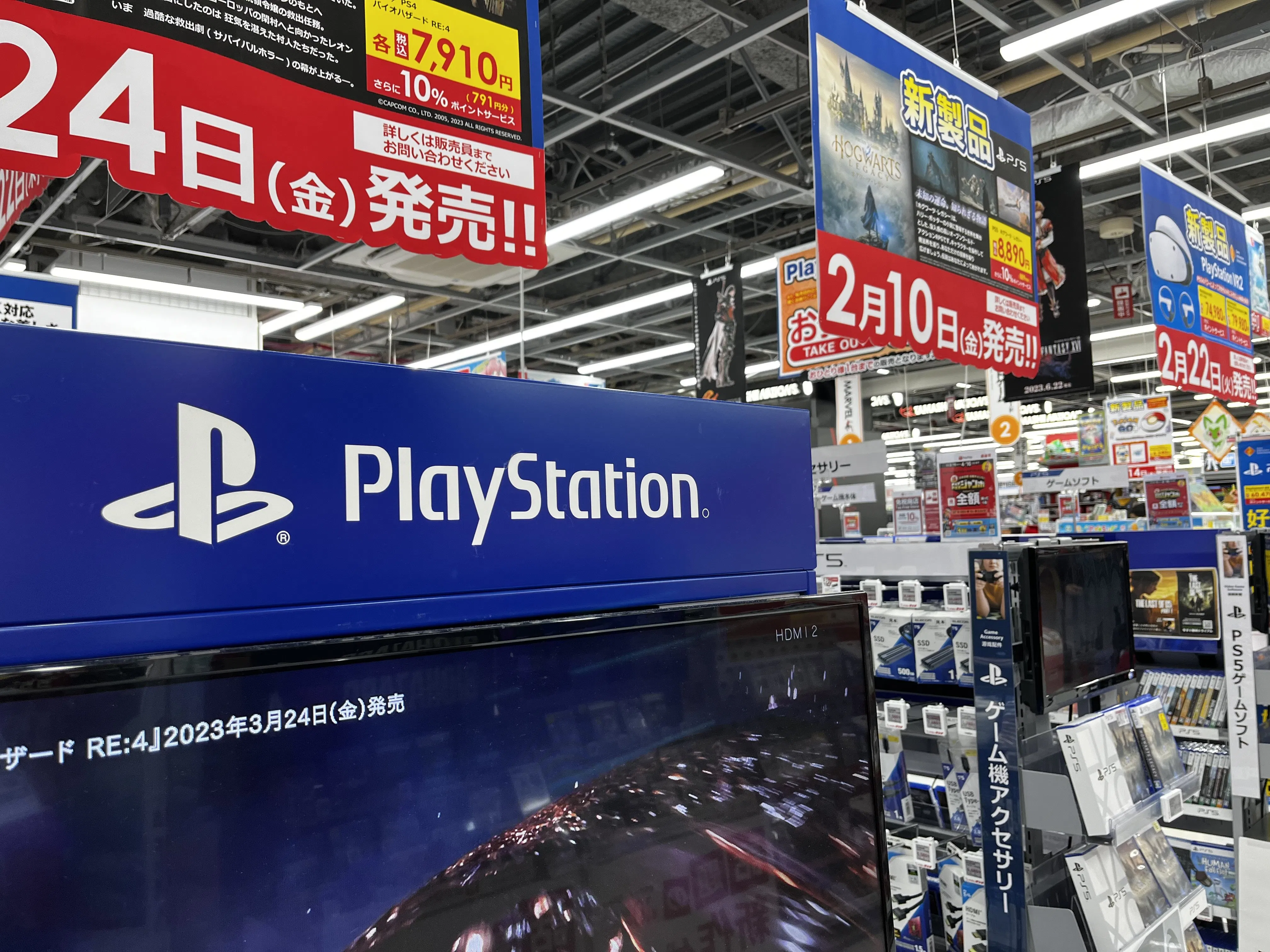
PlayStation 5 hardware sales in the US saw a dramatic upswing during the week ending April 4, 2026, reaching a new high for the year. This surge occurred immediately as Sony's announced price increases went into effect on April 2nd, following the announcement around March 27th. Data from Circana's retail tracking service indicates that weekly unit and dollar sales for the PS5 nearly doubled compared to the same week in the previous year, demonstrating a clear consumer reaction to the impending cost escalation.

The unprecedented price hike for the PS5, impacting all models and the PlayStation Portal handheld, is directly attributed to a confluence of factors including the global demand for AI infrastructure and geopolitical disruptions affecting component supply chains. Specifically, recent hostilities have impacted helium supplies, a critical element in semiconductor manufacturing, while the race for AI development has shifted memory chip production towards higher-margin data center components, thus tightening consumer device supply.
Read More: Pokemon GO Sustainability Week 2026: New Pokemon and GO Pass Rewards

Consumer Rush and Market Impact
The immediate effect of Sony's decision to increase prices, a move counter to typical console lifecycle trends where prices usually decrease over time, was a flurry of purchases. This "buy-before-the-hike" mentality appears to have significantly boosted sales figures in the short term. Senior director Mat Piscatella noted the substantial year-over-year spending increase on gaming hardware for the observed week.

While this short-term spike is evident, analysts suggest it will likely be followed by a decline in sales for the remainder of the year, with potential upticks only expected during major game releases or promotional events. The console’s positioning as a premium product, coupled with production challenges navigated during the global pandemic, has historically contributed to its higher cost.

Industry and Geopolitical Drivers
The price increase is not an isolated incident but reflects broader industry pressures. The insatiable demand for components for 'artificial intelligence' data centers has significantly strained the supply of memory chips, forcing manufacturers to prioritize more lucrative markets. This shift directly impacts the availability and cost of chips used in consumer electronics like the PS5.
Read More: Google Pays £107 Million to Android Users for Unwanted Data Use Since 2014
Furthermore, an attack on Qatar's natural gas export facilities has disrupted the supply of helium, an essential gas for the precise manufacturing of semiconductors. This geopolitical event, combined with global economic pressures, has contributed to rising production costs. This situation makes analogies to previous console generations, where prices typically fell, difficult to draw.
Broader Market Context
The PS5, despite these challenges and a high price point that makes it Sony's most financially inaccessible console since the PS3, has demonstrated significant commercial success. As of December 2025, the console had shipped 92.2 million units. By February 2026, it had already surpassed the PlayStation 3 in lifetime sales within the US. The upcoming release of highly anticipated titles like Grand Theft Auto 6, with expectations of it being a major draw for the PS5, is anticipated to further bolster sales figures.
Read More: Starfield PS5 Crashing This Week: Hotfix Expected for Players
The trend towards digital sales and subscriptions remains a dominant force within the PlayStation ecosystem, with digital game purchases representing a substantial portion of revenue. Complementary accessories for the PS5 also show consistent demand, often following console purchases, indicating a robust aftermarket. The market for used PS5s has also seen a significant uptick, with demand reportedly surging by over 93 percent in the wake of the price hike.