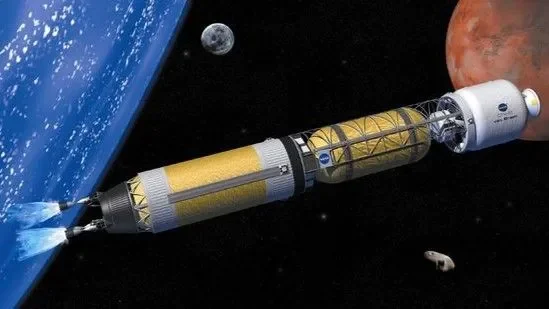
The White House has directed the Pentagon to prepare for a demonstration of an orbital nuclear reactor within five years, a move signaling a significant escalation in the nation's pursuit of space-based nuclear power. This directive, detailed in a newly published strategy, emphasizes a unified governmental approach and aims to harness the ingenuity of the private space sector.
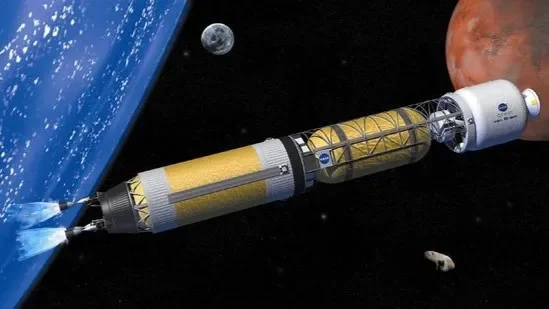
The strategy champions a "whole of government" effort, merging civil and military endeavors, to accelerate the deployment of nuclear power in orbit. This initiative underscores the executive branch's commitment to making space nuclear power both "ambitious and achievable," according to a White House memo. The push includes incentivizing private industry through a forthcoming National Space Transportation Policy, encouraging co-investment in launch infrastructure.
Pentagon Role Elevated
The Defense Department is tasked with soliciting proposals from vendors already engaged with NASA on related technologies. The memo explicitly grants the DoD the option to engage any qualified vendors from NASA's existing programs for surface or electric nuclear power if its own program participants falter. This approach seeks to leverage existing investments and expertise, with a particular focus on developing low- and mid-power reactors that could eventually scale up to a high-powered system for NASA in the 2030s. The memo outlines specific tools for program managers, such as firm fixed-price contracts and vendor proposals tied to milestones.
Read More: ASML 2026 Q1 Results Beat Estimates, AI Chip Demand Strong
Propulsion and Long-Term Goals
Beyond orbital power generation, the strategy touches upon nuclear thermal propulsion, identified as a potential option for future crewed missions to Mars. While a previous DARPA program for a nuclear thermal propulsion demonstrator was reportedly canceled last year, insights from that effort may inform new initiatives. NASA, meanwhile, continues its own research into nuclear thermal propulsion and nuclear electric propulsion as part of its Mars Transportation Architecture Study. The agency has explored such concepts for decades, seeing nuclear fission as a more efficient and powerful alternative to chemical rockets for deep space exploration.
Read More: Former NATO Chief Warns UK Defence Funding Shortage Puts Nation at Risk

Historical Context and Technical Hurdles
The idea of nuclear-powered spaceflight has roots dating back to the 1950s, with figures like physicist Freeman Dyson exploring its potential. NASA has utilized nuclear power for deep-space missions for over fifty years, primarily through radioisotope thermoelectric generators (RTGs) powering probes like Cassini and rovers like Curiosity and Perseverance. However, developing fission reactors for space presents significant technical challenges. Designing reactors that are both compact and reliable for the harsh space environment, along with the logistics of transporting nuclear fuel and managing operations, remain complex issues.
Read More: Google Pays £107 Million to Android Users for Unwanted Data Use Since 2014
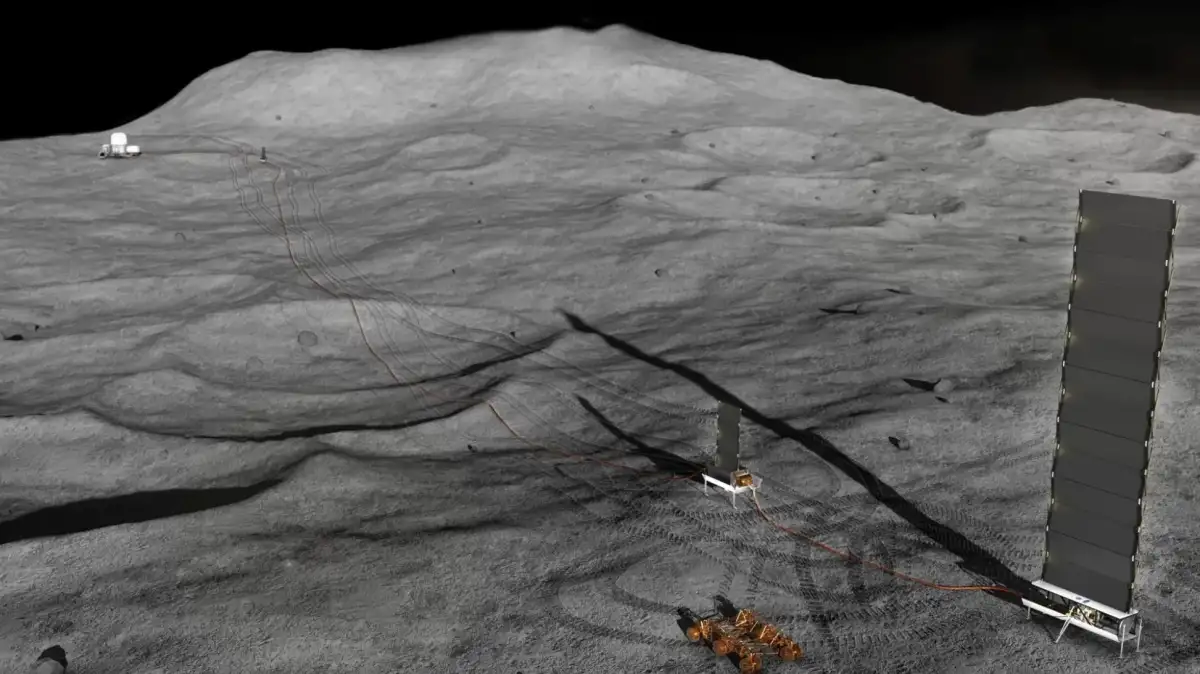
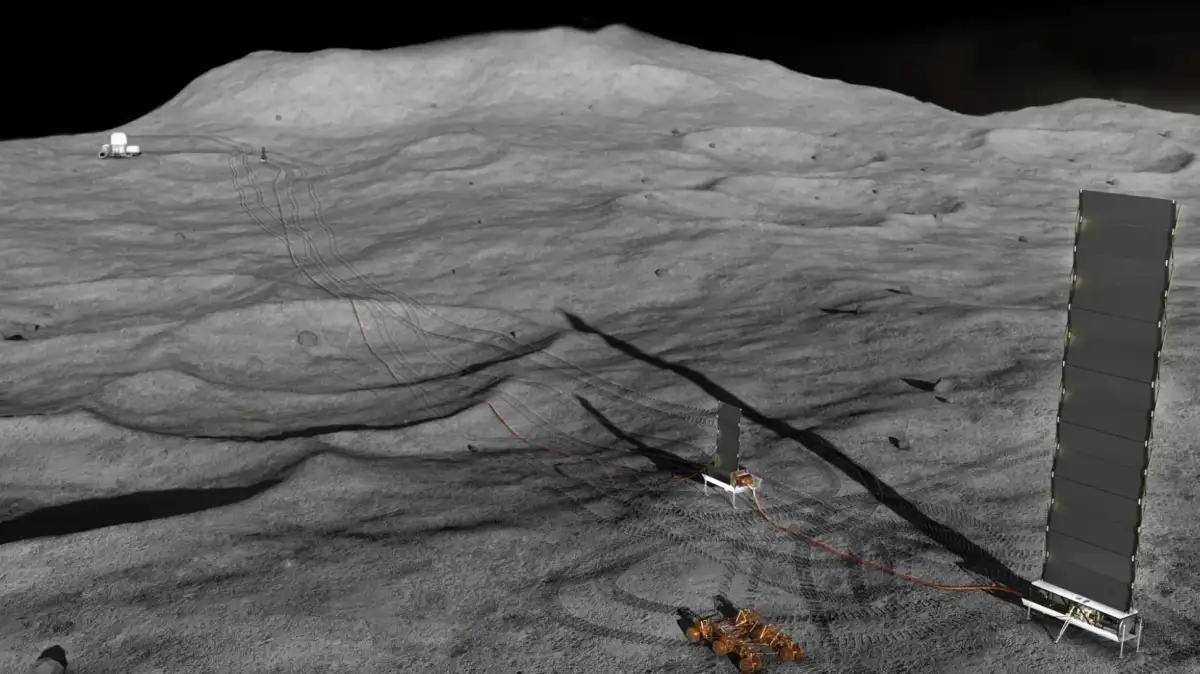
Past concepts for lunar fission power systems, such as the Kilopower reactor, aimed for around 10 kW of electrical energy, with estimated payloads significantly lighter than earlier hypothetical designs. NASA has also expressed interest in reactors capable of producing 40 kW, sufficient to power approximately 30 households for a decade. The ultimate success of these ambitious plans hinges not only on technical achievements but also on sustained and adequate funding. The presence of nuclear fission, while a substantial part of Earth's energy mix, has been observed in the cosmos only in the most extreme events, such as neutron star mergers.