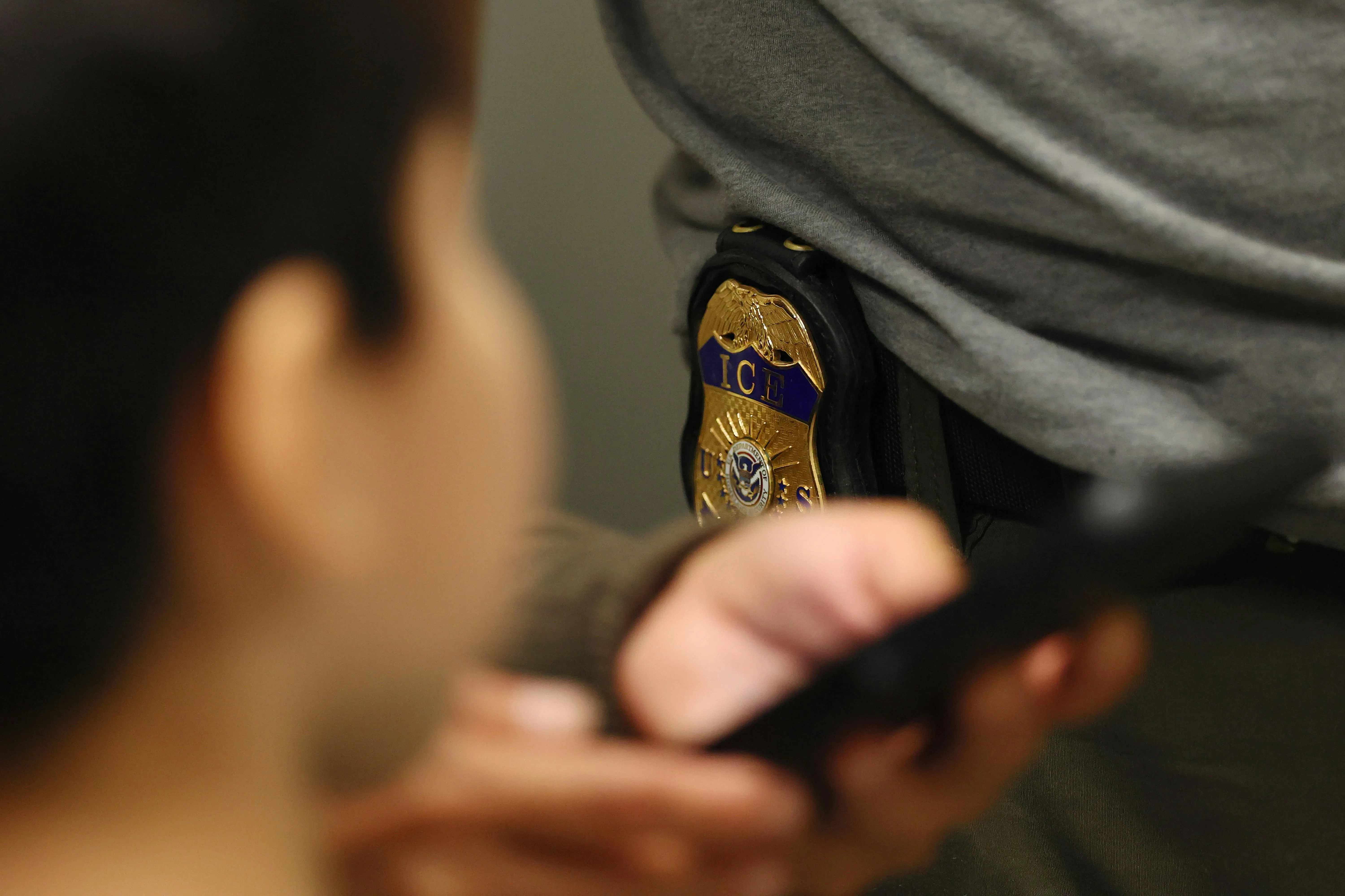
Federal authorities have signaled a significant recalibration of how temporary visas interact with the pursuit of permanent residency, effectively complicating the previously perceived straightforward route to 'Green Cards'. This adjustment, stemming from a post-shooting review, suggests a more scrutinizing approach to visa holders seeking to remain in the United States long-term.
The implications of this policy tweak are considerable for a multitude of visa categories. Historically, certain temporary visas have served as an unofficial, yet widely understood, pathway for individuals aiming for permanent residency. This recent directive appears to dismantle that assumption, introducing layers of renewed vetting and potentially altering the calculus for both individuals and sponsoring entities.
The review, reportedly initiated in the wake of a notable shooting incident, has cast a broader net, encompassing national security and immigration integrity concerns. While specific details remain somewhat opaque, the emphasis is clearly on tightening the reins around visa renewals and adjustments of status.
Read More: ICE Executive Orders Face Scrutiny for Lack of Real Change
Roots of the Reassessment
The impetus for this policy change, as outlined in preliminary reports, points towards a desire to bolster immigration control and public safety measures. The incident that triggered the review is understood to have amplified existing anxieties regarding the porousness of certain immigration channels.
Background of Visa Pathways
For years, individuals on temporary visas – including those for work, study, and temporary visits – have found avenues to transition to permanent resident status. This often involved securing employer sponsorships or meeting specific eligibility criteria within a defined timeframe. The recent policy intervention, however, introduces a new variable into this long-standing dynamic.