


The US Navy has repeatedly declined requests from the shipping industry for military escorts through the Strait of Hormuz, citing the heightened risk of Iranian attacks as too substantial for current operations. This refusal leaves over 150 commercial vessels anchored and unable to proceed, creating a significant bottleneck for global oil and LNG transit. The situation intensifies concerns over global energy supply stability and has contributed to price surges in oil markets.

Daily Operations Halted Amid Security Fears
Operators of commercial tankers have been submitting nearly daily requests for naval escorts since the commencement of hostilities involving Iran. These pleas have gone unanswered by the US Navy, which, according to sources familiar with the matter, has explicitly communicated its inability to provide such protection "for the time being."

Congested Waterway: More than 150 commercial vessels are currently anchored outside the Strait of Hormuz, unable to pass.
Shipping Industry Appeals: Daily requests for escorts have been made by shipping firms.
Navy's Stance: The US Navy has stated that the risk of Iranian attacks is too high, rendering escort missions currently unfeasible.
Market Volatility and Geopolitical Ripples
The refusal to escort tankers directly impacts the flow of a critical global energy artery. Tanker traffic has thinned considerably, driven by worries over physical security and escalating war-risk insurance costs. This has put pressure on global energy markets, particularly for Asian buyers heavily reliant on Gulf exports.
Read More: South Carolina Church Group Stranded in Middle East Due to Conflict, Then Evacuated

Price Surges: Oil prices have seen an uptick following reports of Iran's alleged missile attack on a tanker.
Insurance Costs: War-risk insurance premiums have risen, adding to the financial burden on ship owners.
Potential for Disruption: Iran has indicated that the Strait is effectively closed and has threatened to fire upon any vessel attempting passage, a sentiment echoed by senior officials within Iran's Revolutionary Guards.
Conflicting Signals and Unlaunched Operations
Despite the Navy's stated reluctance, there have been signals, including from former President Donald Trump, suggesting a readiness to escort tankers. However, US officials confirm that no such convoy missions have been launched. This creates a confusing landscape for the maritime industry, with ongoing briefings acknowledging the inability to provide escorts for the immediate future.
Trump's Directives: Orders have been issued for the US Navy to escort tankers through the Strait.
Lack of Action: No escort missions have been initiated to date, despite these directives.
Confused Messaging: The US Navy's practical stance contrasts with some political pronouncements.
Broader Implications and Strategic Considerations
The US Navy's involvement in escort operations, should it materialize, is anticipated to increase the overall cost of maritime energy transport. This is attributed to convoy procedures, slower transit speeds, extended waiting times, and the aforementioned rise in war-risk premiums. Such a heightened US presence could also potentially provoke Iran's Revolutionary Guard Corps (IRGC) to target naval assets or escorted commercial vessels, thereby escalating tensions further. The situation may also provide further impetus for countries like China to seek alternative supply routes and bolster their own energy security measures.
Read More: Lebanon civilian deaths rise to 5 in Qana after Israeli airstrikes on July 20
The broader context involves US forces having previously destroyed what CENTCOM described as 16 Iranian minelaying vessels near the Strait, an action Iran claims was in retaliation for US strikes. Securing the strait, according to one maritime security source, could potentially necessitate the US taking control of Iran's extensive coastline.
Background: The Strait of Hormuz and its Significance
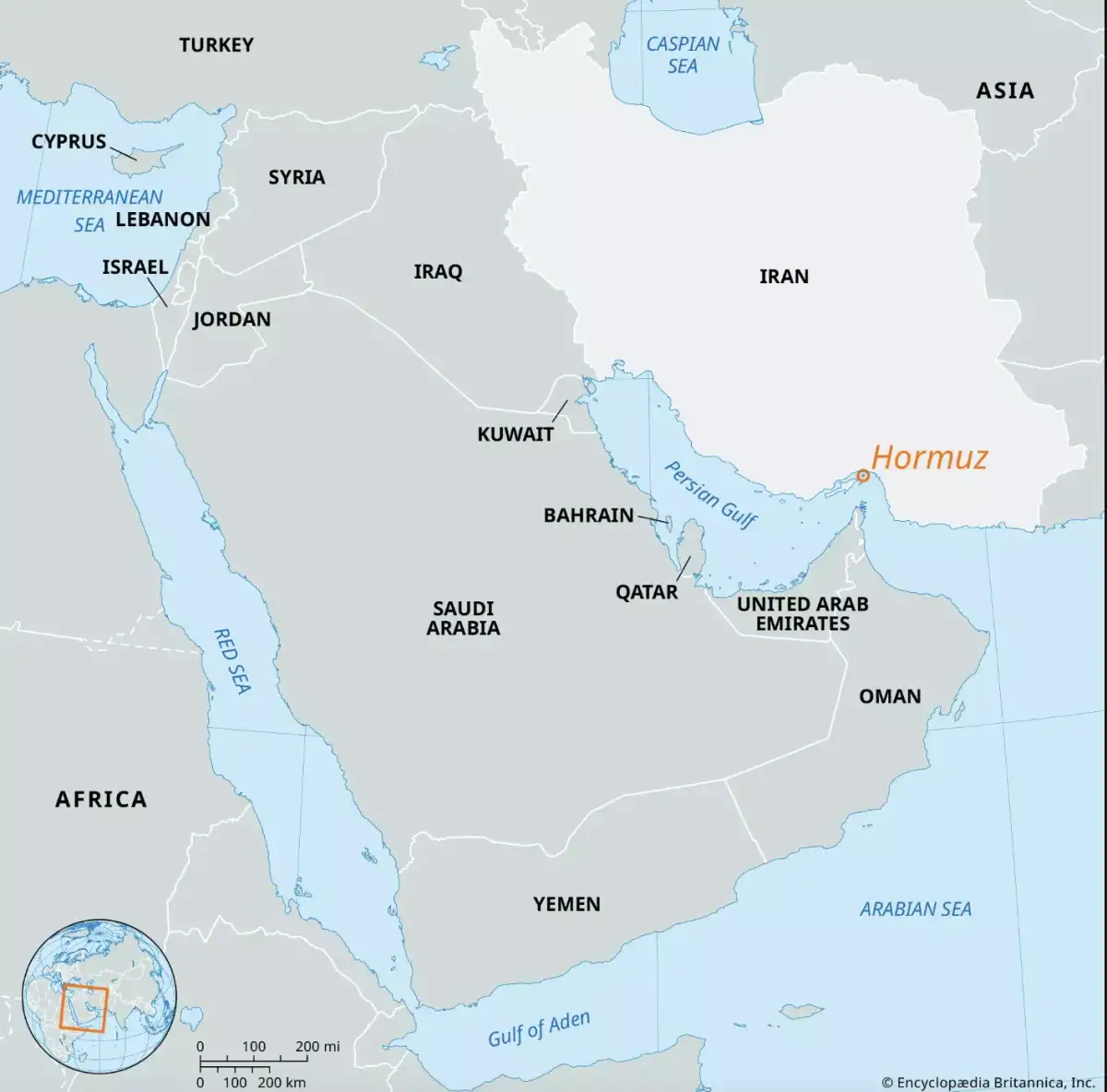
The Strait of Hormuz is a narrow chokepoint connecting the Persian Gulf to the open ocean. It is one of the world's most vital maritime energy corridors, through which an estimated one-fifth of global oil consumption passes daily. Any disruption to traffic through this waterway can have immediate and far-reaching consequences for global energy markets, impacting prices and supply chains worldwide. The region has been a focal point of geopolitical tension for decades, with the current conflict exacerbating existing vulnerabilities.