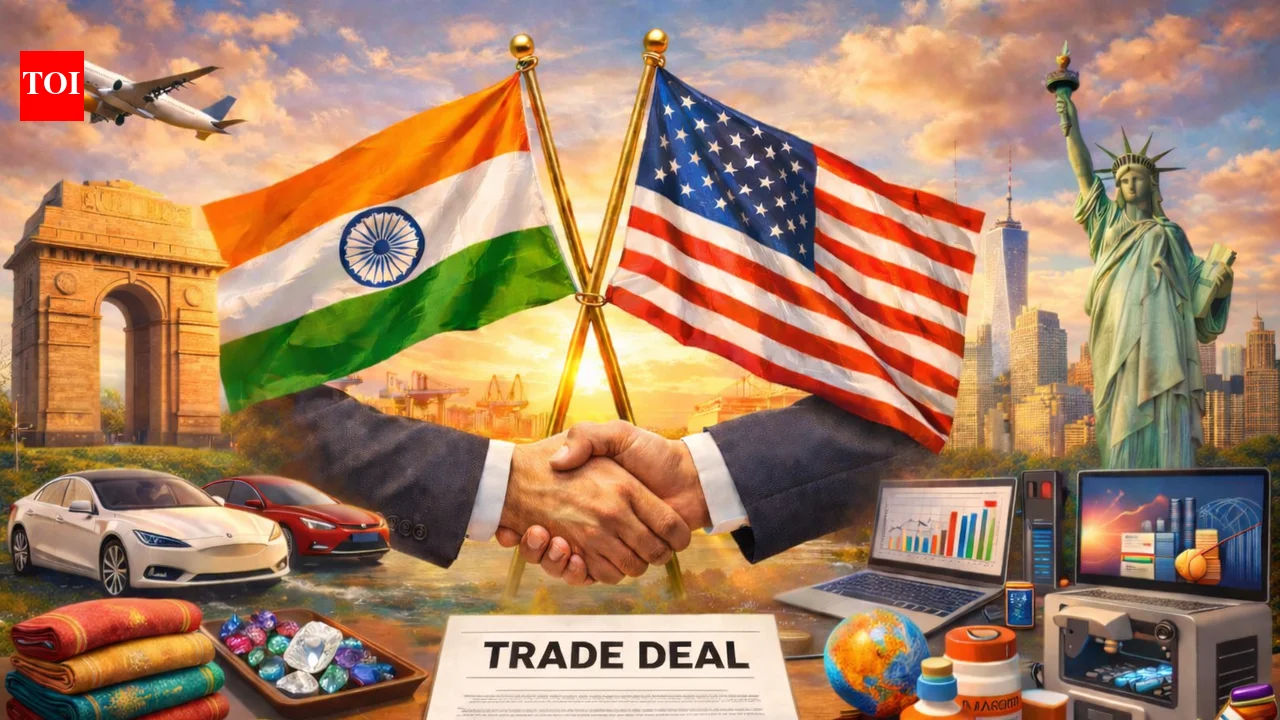
In a swift move, the United States has decided to roll back the hefty 25% additional tariffs it imposed on Indian goods. Effective February 7th, this decision, stemming from a dramatic trade spat initiated by former President Trump, signals a potential thaw in Indo-US economic relations. But behind this seemingly straightforward tariff adjustment lies a complex web of geopolitical calculations and strategic assurances. Are we witnessing a genuine trade reconciliation, or is this a calculated maneuver to realign India’s strategic posture?
The recent announcement by the U.S. to remove the additional 25% duty on Indian goods, starting February 7th, comes as a significant development in the bilateral trade relationship. This tariff, imposed in August of the previous year, was a direct response to India's continued imports of Russian oil. The move, then, was not just about trade deficits but was deeply intertwined with the U.S.’s broader geopolitical strategy concerning Russia.
Read More: UK Economy Grew a Little at End of 2025
The original Executive Order, signed by then-President Trump, warned of potential re-imposition of these tariffs if India resumed its direct or indirect imports of Russian oil. This conditionality underscores the dual nature of the trade action: it was a punitive measure against India’s energy choices, framed within a larger effort to isolate Russia. The order explicitly stated that the actions and policies of Russia posed an "unusual and extraordinary" threat to U.S. national security and foreign policy, necessitating the imposition of these duties on Indian imports.
The core of the issue revolves around India’s energy sourcing strategy and the U.S.’s desire to leverage trade as a tool for geopolitical influence, particularly concerning its stance on Russia.
A Timeline of Tension and Negotiation
The imposition and subsequent removal of these tariffs are not isolated incidents but part of a broader, dynamic trade and geopolitical landscape. Understanding the sequence of events is crucial to grasping the underlying motivations.
Read More: Kim Jong Un's Daughter May Be Next Leader of North Korea
August (Previous Year): The U.S., under then-President Trump, imposes an additional 25% duty on goods from India. The stated reason was India's continued purchase of Russian crude oil, framed as a threat to U.S. national security and foreign policy interests related to Russia.
Lead-up to February 7th (Current Year): Reports emerge of intense negotiations and a potential "trade deal" between India and the U.S. This period saw India making commitments regarding its energy imports.
February 7th (Current Year): The U.S. officially removes the additional 25% tariff on Indian goods. This is contingent on India adhering to its commitment to halt direct or indirect imports of Russian oil.
The timing of this rollback, coming into effect just before significant bilateral engagements, suggests a deliberate strategy to smooth over trade relations and potentially pave the way for deeper strategic alignment.
Read More: Sir Jim Ratcliffe Says Sorry for Immigration Comments
"The modification is necessary and appropriate to deal with the national emergency declared in Executive Order 14066," a statement from the U.S. administration indicated, referencing the overarching national security concerns that justified the initial tariff.
The U.S. Secretary of Commerce, in coordination with other senior officials, is tasked with monitoring India's adherence to the oil import commitment. Failure to comply could see the tariffs reimposed, highlighting the precariousness of this trade truce.
The Russian Oil Conundrum: A Geopolitical Tightrope
India's energy imports from Russia have been a focal point of international attention, particularly following the conflict in Ukraine. While many Western nations imposed sanctions on Russia, India, driven by its energy security needs and historically strong ties, continued to import Russian crude oil at discounted prices. This divergence in policy placed India in a delicate position, balancing its economic interests with its strategic partnerships.
Read More: People Protest Worldwide Due to Money Problems

| Actor | Action | Motivation |
|---|---|---|
| United States | Imposed 25% additional tariffs on Indian goods. | To pressure India to cease Russian oil imports, aligning with U.S. sanctions and geopolitical strategy. |
| India | Continued importing Russian oil, citing energy security and economic needs. | To secure affordable energy, maintain economic stability, and uphold historical defense and economic ties with Russia. |
| Russia | Continued to export oil, offering discounts amidst Western sanctions. | To maintain export revenues and secure markets despite international pressure. |
The U.S. decision to use trade tariffs as a lever to influence India’s energy policy is a stark illustration of how economic tools are increasingly weaponized in international relations.
"The actions and policies of Russia continued to pose an 'unusual and extraordinary' threat to the national security and foreign policy of the U.S.," former President Trump's directive stated, directly linking India’s energy choices to this broader threat perception.
Read More: Arc Raiders Game Sells 14 Million Copies, Much More Than Expected
The key question remains: Did India significantly reduce its Russian oil imports, or did it simply provide assurances that satisfy the U.S. without fundamentally altering its energy strategy?
Beyond Oil: A Broader Trade and Defence Equation
The removal of tariffs isn't solely about Russian oil; it's also embedded within a larger framework of evolving trade dynamics and strategic cooperation between India and the U.S. Reports suggest that this tariff rollback is part of a wider "trade deal" that includes reciprocal concessions.
Indian Concessions: India has reportedly committed to lowering tariffs on a range of U.S. industrial goods and agricultural products. This includes items like dried distillers’ grains, red sorghum, tree nuts, fresh and processed fruits, soybean oil, wine, and spirits.
U.S. Concessions: Beyond removing the additional 25% duty, the U.S. is also set to remove reciprocal tariffs on certain Indian goods. This includes, subject to the successful conclusion of an interim agreement, goods such as generic pharmaceuticals, gems and diamonds, and aircraft parts.
New Tariff Rates: While the punitive 25% duty is removed, some reports indicate that the U.S. will apply a reciprocal tariff rate of 18% on certain originating goods of India, including textiles, apparel, leather, footwear, and certain machinery.
Read More: Memorial for Nightclub Fire Victims Burns Down Again
This multifaceted approach suggests a strategic recalibration rather than a simple concession.
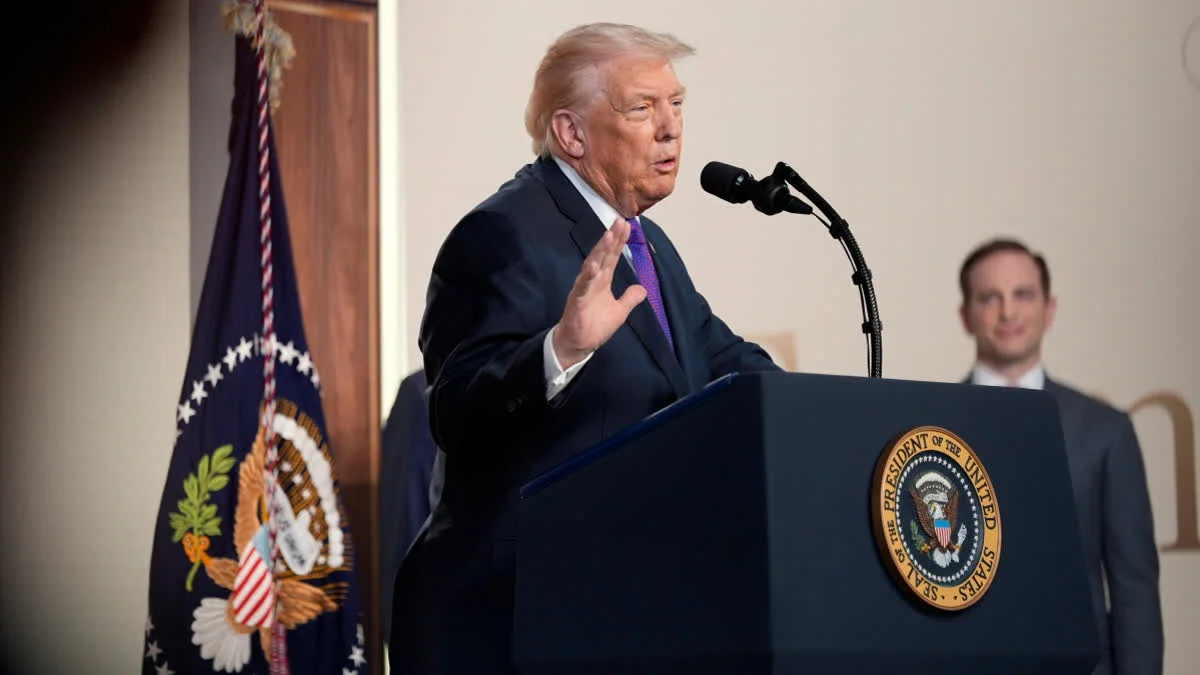
"Indian goods get a price edge in the U.S. over competitors like Vietnam or Southeast Asia," one report highlights, indicating that this move aims to boost Indian exports and enhance its competitiveness in the American market.
Furthermore, alongside these trade adjustments, there are reports of a significant expansion in defense cooperation. India and the U.S. have agreed on a framework to bolster defense ties over the next decade, covering areas like procurement, technology sharing, and joint initiatives. This strategic alignment signals a deepening partnership that extends well beyond immediate trade disputes.
Probing Questions for the Future
While the lifting of tariffs is undoubtedly positive news for Indian exporters, several critical questions linger, demanding deeper scrutiny:
What specific commitments has India made regarding Russian oil imports? Are these absolute halts, or are there nuances regarding indirect routes or future purchase agreements?
How robust is the U.S. monitoring mechanism for India’s energy imports? What constitutes a violation, and what are the precise triggers for reimposing tariffs?
What is the true scope of the "interim agreement" mentioned regarding pharmaceuticals, gems, diamonds, and aircraft parts? When will these specific tariffs be fully removed, and under what conditions?
Is the 18% reciprocal tariff rate on Indian goods a permanent fixture, or is it subject to further negotiation and reduction? How does this new rate compare to pre-tariff levels and to tariffs on goods from competing nations?
To what extent does the expanded defense cooperation framework influence India's foreign policy autonomy, particularly concerning its relations with Russia and other strategic partners?
Are there any hidden clauses or non-public understandings within this "trade deal" that could impact India’s economic or strategic independence in the long run?
How does this agreement align with India’s broader ‘Act East’ and ‘Indo-Pacific’ strategies? Does it strengthen or complicate India’s multi-aligned foreign policy approach?
Read More: Sir Jim Ratcliffe Says Sorry for Immigration Words
The current arrangement, as presented, appears to be a win-win, offering tariff relief to India and securing assurances on energy policy, while also solidifying a strategic alliance with the U.S. However, the underlying geopolitical pressures and the conditional nature of this truce warrant close observation.
Conclusion: A Strategic Détente, Not a Full Embrace
The U.S.'s decision to lift the 25% additional duty on Indian goods is a significant diplomatic and economic development. It effectively unwinds a punitive trade measure that was a symptom of broader geopolitical anxieties. India’s commitment to curtailing Russian oil imports, coupled with reciprocal trade concessions and a deepened defense partnership, appears to have appeased U.S. concerns.
The rollback signifies a strategic détente, a pause in trade hostilities driven by mutual interests in strategic alignment, particularly in the context of the Indo-Pacific and global power dynamics.
Read More: Epstein Files Cause Problems for Keir Starmer
However, this is not a simple return to the status quo ante. The U.S.’s willingness to use trade as a coercive tool, and India’s calculated response, underscore the evolving nature of international relations. The conditional nature of the tariff removal means that vigilance remains paramount. The ongoing monitoring of India's energy imports by U.S. officials serves as a constant reminder that this truce is subject to India's adherence to the agreed-upon terms.
Moving forward, India must carefully navigate its energy security needs, its economic growth aspirations, and its strategic autonomy. The long-term implications of this agreement, especially regarding the balance of power in Asia and India’s relationship with Russia, will unfold in the coming months and years. This tariff adjustment is not an end in itself, but a critical juncture in a complex, evolving geopolitical chessboard.
Sources:
The Hindu: https://www.thehindu.com/news/national/us-to-remove-additional-25-duty-on-indian-goods-from-february-7/article70602826.ece
The Print: https://theprint.in/world/us-to-remove-additional-25-duty-on-india-over-russian-oil-imports-from-feb-7/2848341/
ET Now: https://www.etnownews.com/economy/us-removes-extra-25-tariff-on-india-from-feb-7-what-does-it-mean-trumps-executive-order-on-russian-oil-import-full-details-article-153573822
GKToday: https://www.gktoday.in/us-removes-additional-25-tariffs-on-indian-goods/
NewsBytes: https://www.newsbytesapp.com/news/business/us-slashes-tariffs-on-most-indian-products/tldr
Deccan Herald: https://www.deccanherald.com/business/us-to-remove-additional-25-duty-on-indian-goods-from-feb-7-3889764
ETV Bharat: https://www.etvbharat.com/en/business/us-removes-tariffs-on-indian-goods-trump-signed-an-executive-order-effective-from-february-7-saturday-enn26020700486
The Times of India: https://timesofindiatimes.com/business/india-business/us-tariffs-on-india-cut-to-18-30-trillion-market-access-india-us-trade-deal-explained-in-10-points/articleshow/128017069.cms




:max_bytes(150000):strip_icc():focal(612x1166:614x1168)/Switzerland-accident-fire-020826-02-7cbc5d49ad0f413883178cfd825a77de.jpg)