Washington and Tel Aviv are examining covert Special Forces operations to gain control of Iran's uranium stockpile, according to multiple reports. The focus is on seizing material deemed potentially capable of producing up to eleven nuclear bombs. This consideration arises amid intelligence fears that approximately 450 kilograms of uranium enriched to 60 percent purity could be further processed to weapons-grade levels within weeks.
The deliberations center on physical control of the uranium, as airpower alone is seen as insufficient to permanently neutralize nuclear material stored in fortified underground facilities. Two primary operational options are reportedly being discussed: removing the material from Iran entirely, or on-site neutralization by nuclear experts. The potential for a ground-based operation involving special forces units has not been ruled out by officials.
Uncertainty regarding the precise location and quantity of Iran's highly enriched uranium has heightened, with UN atomic inspectors having last verified its status nearly nine months ago. This lack of recent verification is a significant factor driving the urgent discussions.
Read More: Iran Warns Gulf States After U.S. Naval Clash
Strategic Calculus and Operational Challenges
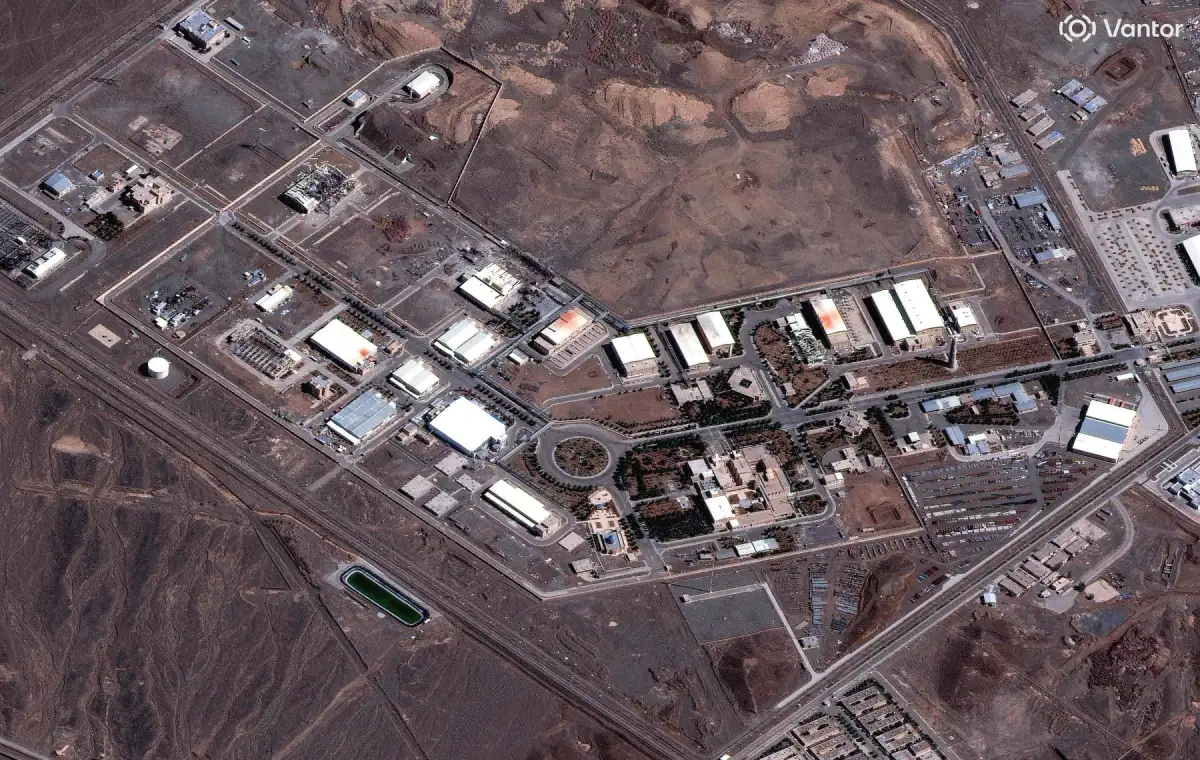
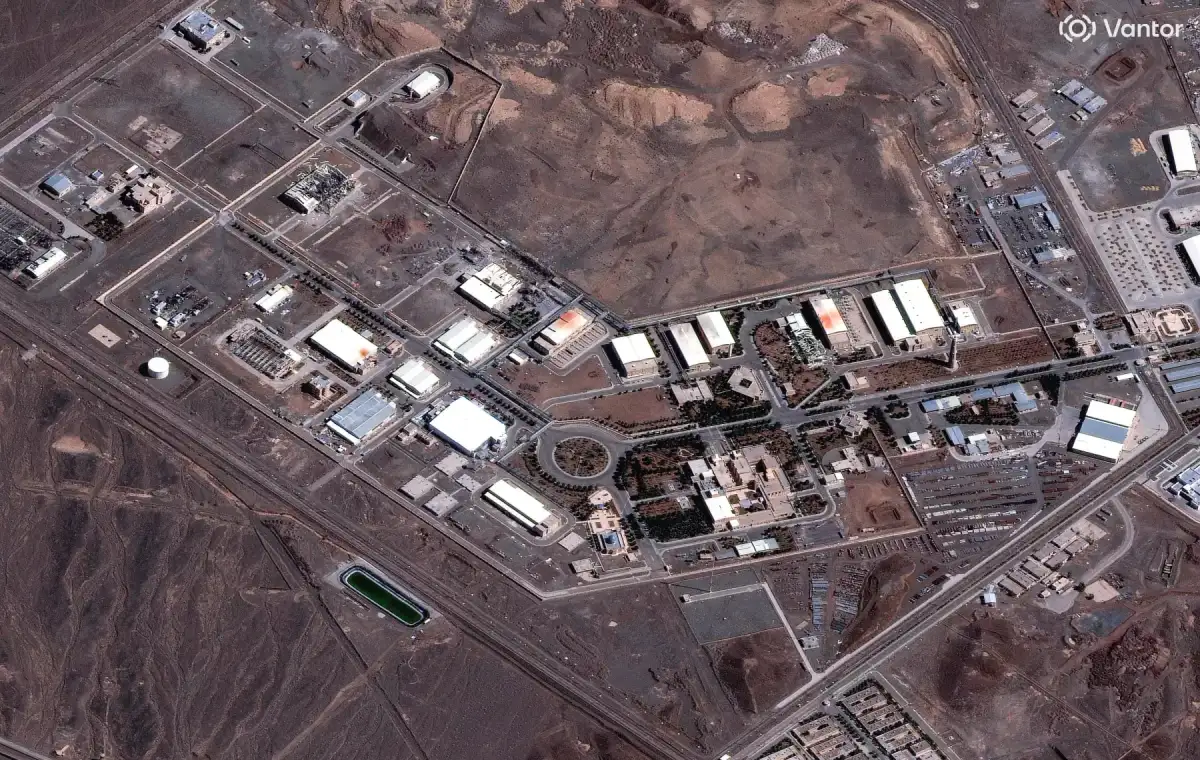
Underground nuclear infrastructure, particularly at sites like the Isfahan Nuclear Technology Center, complicates military planning. Tunnel systems reportedly house the majority of the enriched uranium stockpile. Strategic planners reportedly believe that seizing the stockpile offers a more definitive solution than air strikes alone.
Context of Recent Military Actions
These discussions occur in the aftermath of a period of intense military engagement between the US, Israel, and Iran. Reports suggest that significant damage has been inflicted on Iranian military and industrial infrastructure, including missile manufacturing areas and air force assets. However, the effectiveness of these strikes in permanently halting Iran's nuclear ambitions remains a subject of ongoing assessment. Some critics suggest that air strikes alone may not achieve the stated goals of destroying Iran's military capacity or preventing nuclear development.
Official Statements and Ambiguities
While specific operational details remain under wraps, some public statements offer glimpses into the considerations. A senior Trump administration official indicated that the US had explored options for rendering Iran's enriched uranium unusable. The possibility of sending troops into Iran to secure nuclear material was not explicitly dismissed when raised in questioning. An Israeli defense official reportedly stated that discussions about sending special operations units into Iran for specific missions were being seriously considered, though framed as a potential future action. Simultaneously, a US Special Envoy has noted that a diplomatic agreement with Iran could still be a possibility.
Read More: Gulf Oil Exports Rise in June but Still Below Pre-War Levels
Historical Precedent and Evolving Dynamics
The current strategic discussions echo past actions. The US and Israel reportedly struck key Iranian nuclear facilities during a conflict in the past year. However, the exact extent of damage to Iran's enrichment infrastructure from those actions is uncertain. The ongoing debate over potential ground operations reflects a complex interplay of intelligence assessments, strategic objectives, and the inherent difficulties in managing nuclear proliferation concerns in a volatile region.