

Signs of Movement, Stumbling Blocks Remain in Indirect Negotiations
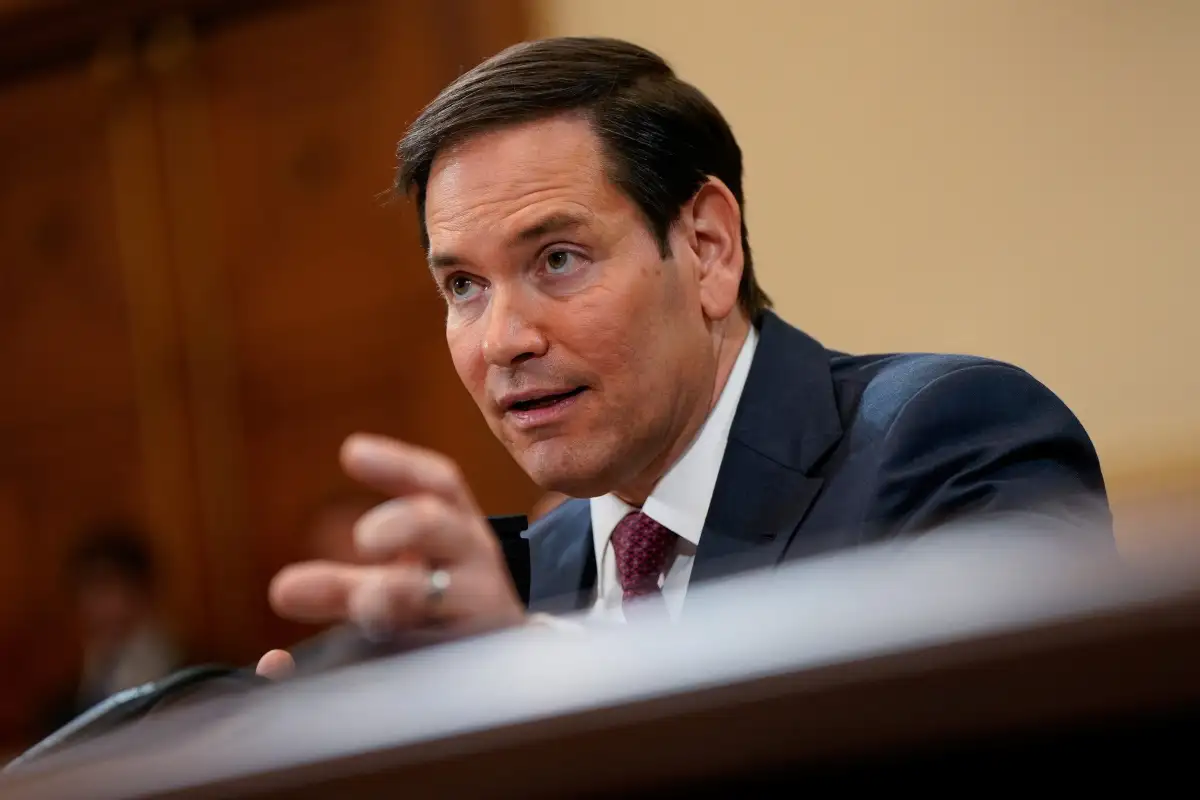
US Secretary of State Marco Rubio reported "slight progress" in ongoing indirect talks with Iran, facilitated by Pakistani mediation, yet emphasized that a definitive resolution remains distant. While acknowledging some forward motion, Rubio stressed that "more work is required" to bridge the substantial gaps between the two nations. These discussions, shrouded in uncertainty, occur against a backdrop of heightened regional tensions and fluctuating global markets.

Rubio, speaking after a NATO meeting in Sweden, indicated that communication with Pakistani mediators is constant. However, the core concerns of the United States persist. Chief among these is Iran's nuclear program, specifically the issue of future uranium enrichment, and the imperative to ensure Iran does not acquire nuclear weapons. Alongside nuclear discussions, the reopening of the vital Strait of Hormuz shipping lane remains a critical point of contention. Rubio alluded to the necessity of a "Plan B" should Iran refuse to restore access to this crucial supply route.
Read More: Pakistan PM Sharif visits Beijing today for deeper China ties

Pakistani Mediation Intensifies Amidst Regional Strikes
Pakistan's military chief arrived in Tehran on Friday, stepping up efforts to mediate a peace deal. Iranian media reported meetings between Iran's foreign minister and Pakistan's interior minister, underscoring the active role of Pakistani diplomacy.

These mediation efforts unfold in the shadow of recent regional strikes. Reports indicate that Saudi Arabia and the United Arab Emirates separately launched attacks targeting Iranian military facilities and Iranian-backed Shiite militias in Iraq. The US had previously called off attacks on Iran at the request of regional allies.
Market Volatility Reflects Diplomatic Uncertainty
The ongoing uncertainty surrounding the peace talks has had a discernible impact on global markets. The US dollar hovered near a six-week high, while oil prices experienced an uptick, reflecting investor unease over potential escalations.
A History of Conflict and Interrupted Diplomacy
The current diplomatic impasse follows a period of renewed conflict. US-Israeli airstrikes initiated on February 28 were met with retaliatory fire from Iran targeting Gulf States hosting US military bases. This escalation also reignited hostilities between Israel and the militant group Hezbollah in Lebanon. Iran’s foreign ministry spokesman, as reported by Rappler, characterized the differences between the two sides as "deep and significant," suggesting a challenging road ahead for any peace settlement. Rubio noted that nuclear issues were not part of the current discussions and that reaching a conclusion would be unlikely if the US insisted on delving into details of highly enriched uranium.
Read More: Colbert's Last Show: No Trump Jokes on May 22, 2026


