


Seven days into an active war, the White House is urging Iranian Kurdish factions to cross the border and fracture Tehran from the inside. While the CIA has been funneling hardware to these groups for months—starting well before the first missiles flew—the official word from Donald Trump is that an internal uprising would be "wonderful." The administration is looking for a way to break the Islamic Republic without spending more American bodies, using the Kurds as a cheap lever to flip the map.
CIA operatives began arming Kurdish irregulars months before the formal declaration of war.
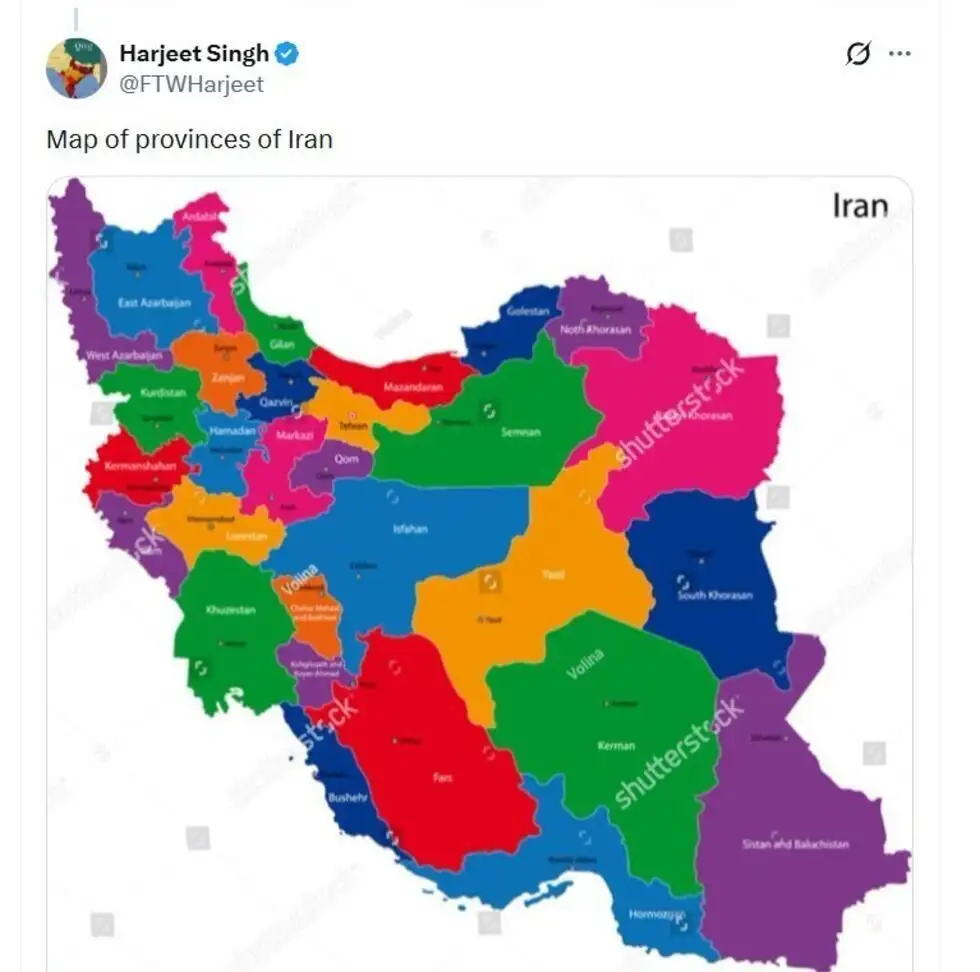
A coalition of six parties, including the PDKI, PAK, and PJAK, has unified to drive security forces out of the northwestern Rojhelat region.
Donald Trump personally called Masoud Barzani and Mustafa Hijri to nudge their fighters toward a ground offensive.
The goal is a domestic collapse of the Iranian regime to avoid a full-scale U.S. ground invasion.
The Mechanics of an Uprising
The border between Iraq and Iran is no longer a line but a staging area. Thousands of armed Kurds are waiting in the jagged hills of the Kurdistan Regional Government (KRG). While the Iraqi government in Baghdad insists its soil won't be a "launching point" for attacks, the reality on the ground is already messy. The Iranian military has responded by shelling Kurdish headquarters in northern Iraq, hitting targets they claim are dens for U.S. and Israeli intelligence.
Read More: Local Politician Faces Complaint Over Comments About Iran's Ayatollah Khamenei
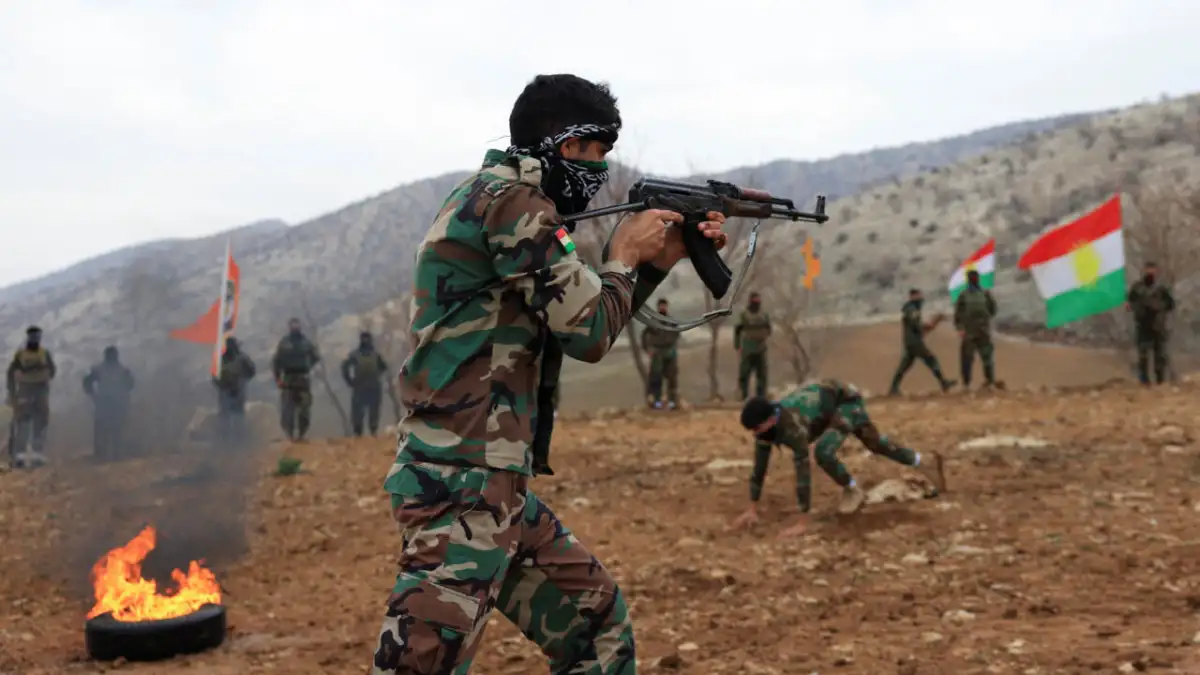
"They're not operating on hope," one official noted, though history suggests hope is the only currency the Kurds are ever actually paid in.
Factional Alliances and Geography
The effort isn't a single army but a patchwork of old grudges and new ammo.
| Group | Leanings | Status |
|---|---|---|
| PDKI (KDPI) | Nationalist / Secular | Leading the new coalition. |
| PAK | Freedom Party | Active on the Iraq-Iran border. |
| PJAK | Militant / Leftist | Linked to PKK; veteran mountain fighters. |
| Komala | Social Democrat / Communist | Split factions; most joined the pact. |
| Khabat | Islamist / Nationalist | Signed onto the anti-Tehran alliance. |
The Echo of Abandonment
There is a rot in the logic of this alliance that both sides ignore for now. The SDF in Syria served as the primary proxy to gut ISIS, only to find the map redrawn without them once the heavy lifting was done. Now, the Trump administration is dangling the promise of a "wonderful" outcome for Iranian Kurds who have spent decades being squeezed by Tehran. The asymmetry of the deal is obvious: Washington gets a ground force to soak up Iranian lead, and the Kurds get a chance to be hung out to dry one more time.
Read More: Russia shares US ship locations with Iran on February 28 to help attacks in Middle East
Background: A Pattern of Use
This is not a new script, just a louder performance. The U.S. has used Kurdish proxies since the 1970s to needle the various powers in the Middle East.
1975: Abandoned after an agreement between Iran and Iraq.
1991: Encouraged to rise against Saddam, then left to face his helicopters.
2019: Pushed aside in Northern Syria to make room for Turkish movements.
The current "wonderful" offensive is the fourth time in fifty years that Washington has asked the Kurds to die for a U.S. strategic pivot.
The Coalition of Political Forces of Iranian Kurdistan claims its objective is the total expulsion of Iranian forces from their ancestral lands. Whether the White House views them as future neighbors or temporary tools remains the unanswered question hanging over the Rojhelat mountains.