

)
NEW DELHI – The recent announcement that the United States will lift a 25% tariff on certain goods, including Russian oil imports to India, has been met with a nuanced clarification from India's Ministry of External Affairs (MEA). While the MEA stresses that "energy diversification remains central to securing supply for 1.4 billion people," a closer look reveals a complex geopolitical ballet. This shift in US trade policy, intertwined with India's strategic energy needs and its historical ties with Russia, raises a crucial question: Is this simply a trade adjustment, or a subtle recalibration of global energy politics?
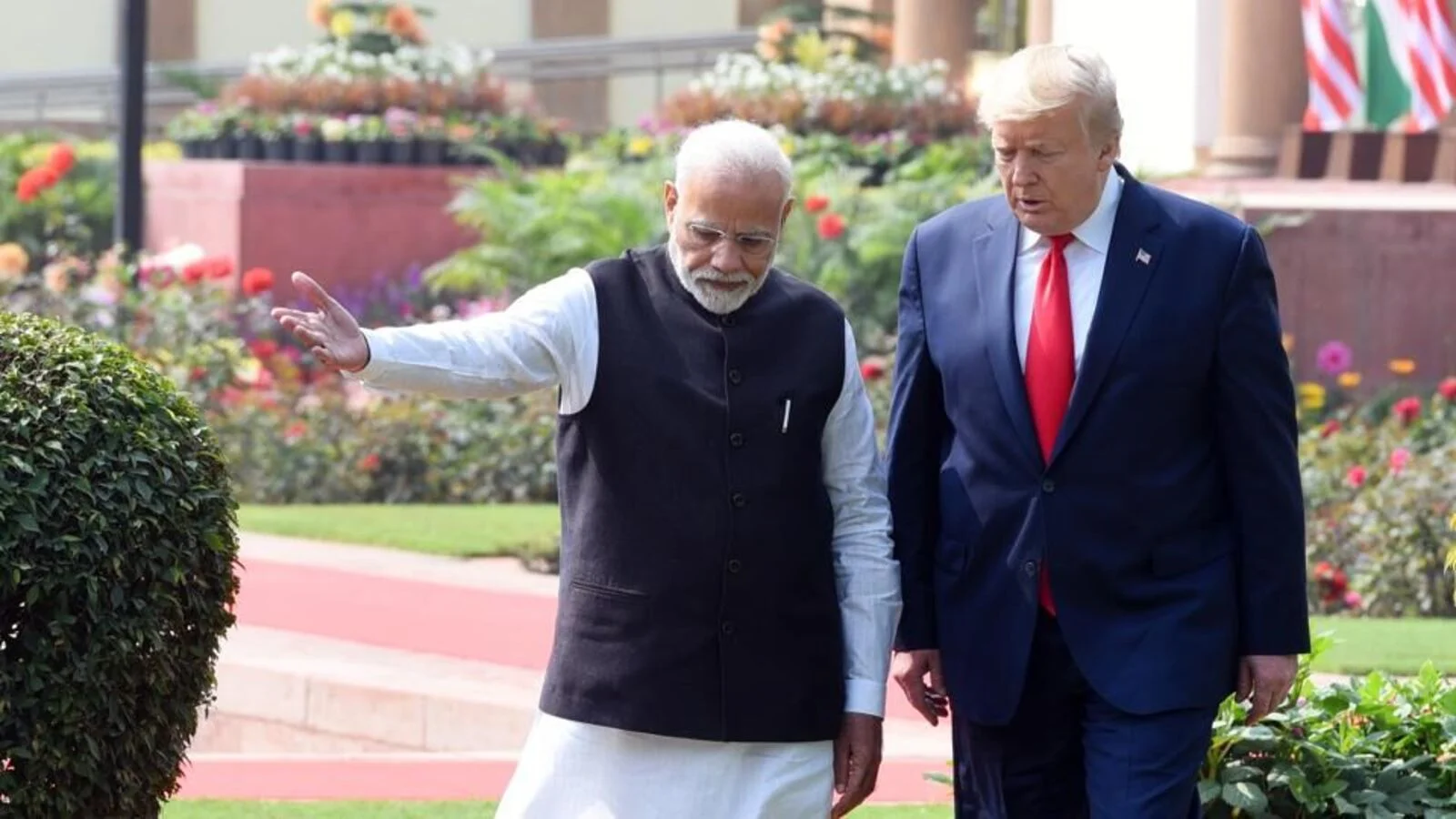
The MEA's statement, delivered by spokesperson Randhir Jaiswal, reiterates that "all energy decisions stem from this aim" of securing India's energy needs. This comes as the US, under a new "Interim Agreement" framework, will remove tariffs on a range of products. However, the backdrop to this is years of diplomatic pressure, past tariff threats, and India's consistent assertion of its right to make energy decisions based on its own national interests.
Read More: Kim Jong Un's Daughter May Be Next Leader of North Korea

A Tangled History: Tariffs, Promises, and Russian Oil
India's engagement with Russian oil has been a recurring point of contention, particularly under previous US administrations. Understanding the current clarification requires delving into the past incidents that have shaped this narrative.
Past US Pressure: For years, India has faced US pressure to reduce its reliance on Russian energy. Former US President Donald Trump, in particular, was vocal, at one point threatening tariffs and even claiming that Indian Prime Minister Narendra Modi had assured him of a halt in Russian oil purchases.
In October 2025, Trump reportedly claimed Modi had agreed to stop buying oil from Russia, citing pressure to influence the war in Ukraine (Livemint).
This claim was met with swift denial or lack of confirmation from the Indian side, with MEA officials stating that India makes decisions based on market conditions and global situations, not under external pressure (AOL, Mathrubhumi).
India's Defense of its Stance: India has consistently defended its energy choices, highlighting its unique geopolitical and economic circumstances.
The MEA has pointed out that India only began importing significant amounts of Russian oil after traditional suppliers diverted shipments to Europe following the Ukraine conflict.
Furthermore, India has highlighted the hypocrisy of such criticism, noting that the US and European nations themselves continue to trade with Russia in various sectors (Mathrubhumi).
For instance, the US imports of Russian uranium hexafluoride, palladium, fertilizers, and chemicals were cited as examples (Mathrubhumi).
Economic Realities and Strategic Autonomy: The core of India's argument has always been its commitment to its consumers and the need for affordable energy.
Moody's, a ratings agency, has warned that an immediate cessation of Russian oil imports would be a "big disruption" for India, impacting manufacturing costs and consumer prices (Economic Times, CNBC).
Analysts have noted that India maintains "deep historical and sentimental ties to Russia" and values its foreign policy autonomy, which includes the ability to resist external coercion (CNBC).
The current US move to lift tariffs, therefore, appears to align with these economic realities rather than a complete capitulation to past US demands.
Read More: EU Starts Trade Case Over Solar Panels
"All energy decisions stem from this aim [securing supply for 1.4 billion people]. Energy diversification amid market and global shifts remains central to securing supply for 1.4 billion people." - MEA Spokesperson Randhir Jaiswal
The New Trade Framework: More Than Just Tariffs?
The lifting of the 25% tariff by the US is part of a broader "Interim Agreement" for "reciprocal, mutually beneficial trade." This agreement outlines specific tariff adjustments on both sides.
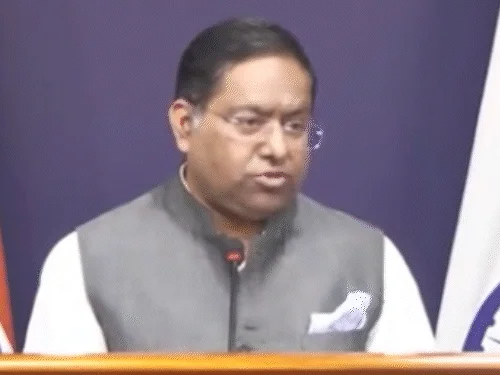
US Tariff Reductions: The US will remove tariffs on goods identified in Executive Order 14346, which includes items like generic pharmaceuticals, gems, diamonds, and aircraft parts. This is a positive development for Indian exporters.
Indian Tariff Adjustments: In return, the US will apply a reciprocal tariff rate of 18% on goods originating in India, such as textiles, apparel, leather, footwear, organic chemicals, and certain machinery.
The Nuance of Russian Oil: Crucially, the US action specifically mentions lifting tariffs on Russian oil imports to India. This is not just a general tariff reduction but a targeted move related to a highly sensitive geopolitical commodity.
Read More: People Protest Worldwide Due to Money Problems
Key Insight: The US lifting tariffs on Russian oil imports to India signals a pragmatic shift, likely acknowledging India's energy security needs and the complex global energy market, rather than a complete abandonment of its past stance on Russian energy.
Why Now? Geopolitical Undercurrents and Energy Security
The timing of this US decision is significant. It follows a period of heightened global energy market volatility and comes after repeated attempts by the US to isolate Russia economically.
Market Volatility: Global energy markets remain susceptible to shocks. By removing the tariff, the US might be seeking to stabilize energy supplies and prices, particularly for a large consumer like India.
India's Diversification Strategy: India has consistently pursued a strategy of energy diversification, seeking the best possible deals from various sources. This includes not just Russia but also countries in the Middle East and North Africa.
This diversification is essential for a nation with a rapidly growing economy and a vast population.
The MEA's emphasis on "energy diversification amid market and global shifts" underscores this ongoing strategy.
The Russia-Ukraine Conflict: The ongoing conflict in Ukraine has profoundly reshaped global energy flows. Russia, facing sanctions from the West, has sought new markets for its oil, and India has emerged as a significant buyer, often at discounted prices.
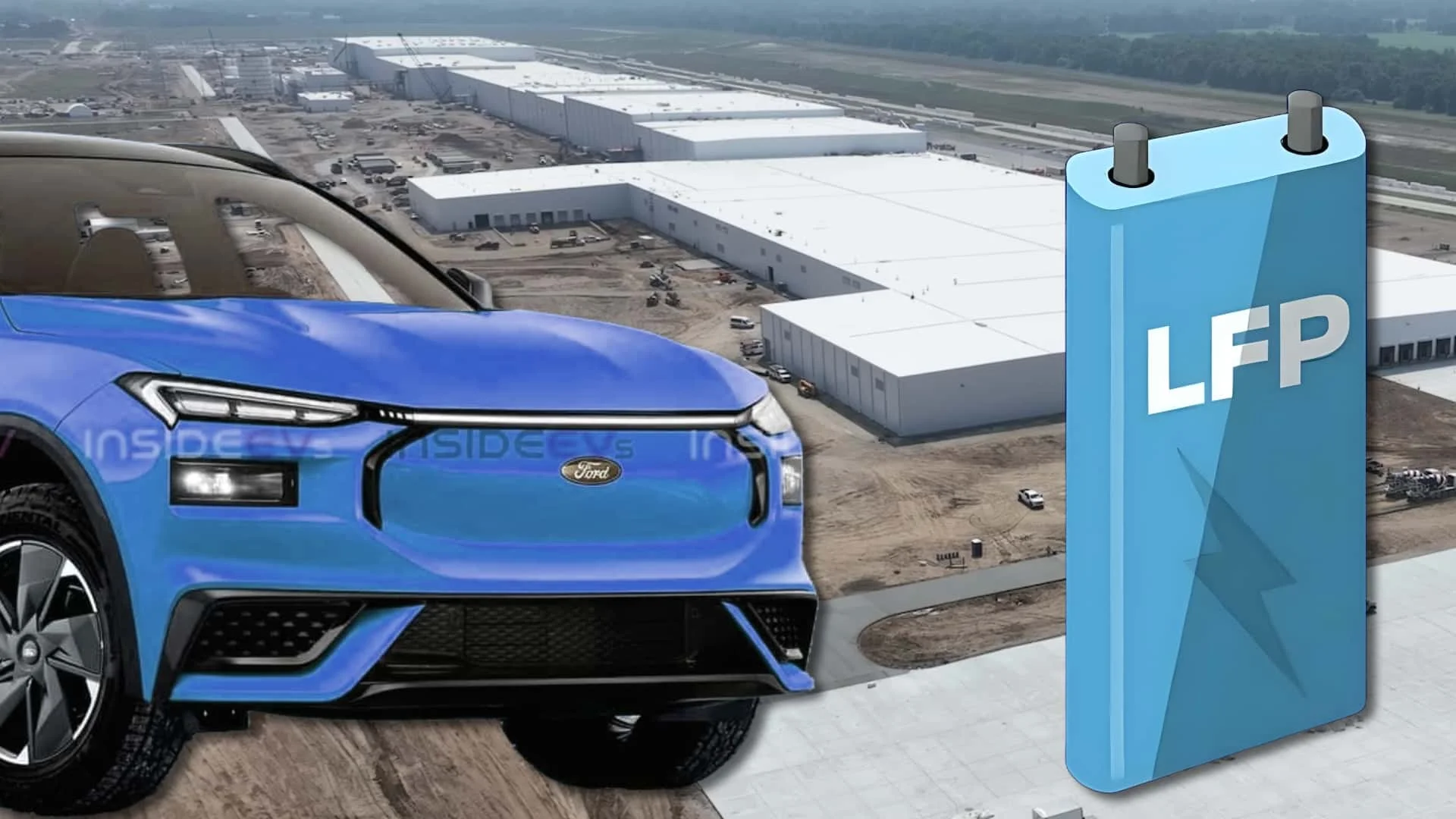
Read More: Ford Will Make Energy Storage Batteries Instead of Some EV Batteries
| Actor | Stance on India's Russian Oil Imports | Rationale |
|---|---|---|
| United States | Historically pressured India to reduce imports; now lifting a 25% tariff on these imports as part of a new trade framework. | Economic pragmatism, trade relations, possibly recognizing India's energy security needs, shifting geopolitical landscape. |
| India (MEA) | Prioritizes energy security and consumer interests; asserts that decisions are based on market conditions and global shifts, not external pressure. | Ensuring affordable and reliable energy supply for 1.4 billion people, maintaining strategic autonomy in foreign policy. |
| Russia | Continues to supply oil to India; has not acknowledged any commitments from India to halt these purchases. | Seeking alternative markets amidst Western sanctions, maintaining its economic influence. |
| Analysts/Agencies | Highlight the economic disruption for India if Russian oil is cut off; acknowledge India's historical ties with Russia and its value of foreign policy autonomy. | Recognizing the significant economic implications and India's consistent assertion of its sovereign right to make independent choices. |
"India makes decisions based on what is available in the market and the current global situation." - MEA Spokesperson Randhir Jaiswal (past statement)
Probing Questions for the Future
While the MEA's clarification offers a clear articulation of India's current position, several critical questions remain:
Read More: Memorial for Nightclub Fire Victims Burns Down Again
Is this a permanent shift in US policy, or a temporary concession within a broader trade deal? Will the US continue to pressure India on Russian energy in the future, or has a new understanding been reached?
What was the nature of the "discussions" leading to this trade framework? Were there implicit or explicit understandings regarding India's energy procurement beyond the tariff adjustments?
How will this impact India's existing relationships with its traditional energy suppliers and its evolving ties with Russia? Does this agreement necessitate a significant alteration in its procurement strategy?
To what extent does this US decision acknowledge India's "energy diversification" strategy, or does it primarily serve US trade interests?
Will India's stance on Russian oil remain solely driven by market conditions, or will geopolitical considerations continue to play a dominant role, as they have in the past?
The lifting of US tariffs on Russian oil imports to India, framed by the MEA as a move towards energy diversification, is a significant development. It reflects a complex interplay of economic pragmatism, geopolitical strategy, and India's unwavering commitment to its national interests. The full implications of this new trade framework, and whether it marks a lasting change in global energy dynamics, remain to be seen.
Sources:
MEA clarifies India’s Russian oil stance after US lifts 25% tariff (Zee News): https://zeenews.india.com/india/mea-clarifies-india-s-russian-oil-stance-after-us-lifts-25-tariff-3014736.html
India's Energy Strategy: Diversification Key Amid US Trade Framework (Newkerala): https://www.newkerala.com/news/a/energy-diversification-central-strategy-amid-evolving-global-market-159.htm
MEA clarifies India's stance on Russian oil trade after Trump's claims; says 'interests of the Indian consumer' priority (Livemint): https://www.livemint.com/news/us-news/discussions-ongoing-us-has-shown-interest-india-on-trumps-claims-pm-modi-assured-a-stop-to-russian-oil-purchases-11760591603578.html
MEA clarifies stance on decreasing Russian oil imports: Did not stop buying oil under US pressure; says, 'India makes decisions based on market conditions' (AOL/Bhaskar English): https://www.bhaskarenglish.in/international/news/mea-clarifies-stance-on-decreasing-russian-oil-imports-did-not-stop-buying-oil-under-us-pressure-trump-tariffs-135579038.html
India calls Trump's tariff threat 'unjustified' as MEA defends Russian oil trade (Mathrubhumi): https://english.mathrubhumi.com/news/india/india-calls-trumps-tariff-threat-unjustified-as-mea-defends-russian-oil-trade-ofkf7w1m
Trump says India won't buy Russian oil anymore. Moscow insists India hasn't said that (CNBC): https://www.cnbc.com/2026/02/04/trump-india-deal-russia-oil-purchases-kremlin-reaction.html
India's immediate end of Russian oil after US trade deal to be a big disruption: Moody's (Economic Times): https://economictimes.indiatimes.com/news/economy/foreign-trade/indias-immediate-end-of-russian-oil-after-us-trade-deal-to-be-a-big-disruption-moodys/articleshow/127877100.cms
Read More: Belgium Turns Off Some Streetlights to Save Energy

:max_bytes(150000):strip_icc():focal(612x1166:614x1168)/Switzerland-accident-fire-020826-02-7cbc5d49ad0f413883178cfd825a77de.jpg)

