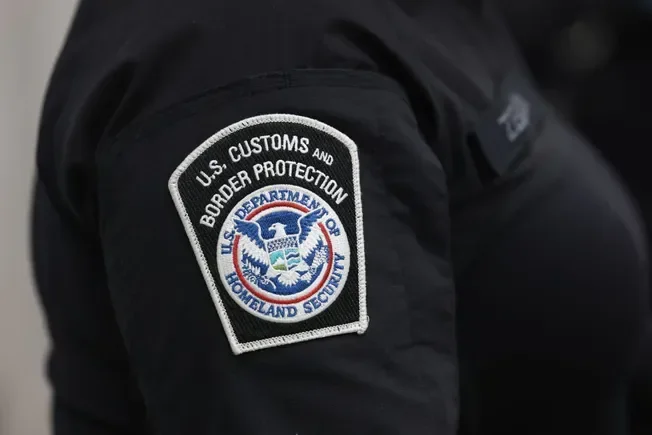
The U.S. Customs and Border Protection (CBP) has informed a federal court that it cannot immediately comply with an order to issue refunds for tariffs imposed under the International Emergency Economic Powers Act (IEEPA). The agency cited existing technological limitations, operational processes, and personnel constraints as reasons for this non-compliance. This stance emerged as a hearing was scheduled concerning the refund issue, following a Supreme Court ruling that invalidated these specific tariffs.

The CBP's inability to act swiftly was detailed in an affidavit submitted to the Court of International Trade. Brandon Lord, Executive Director of the Trade Programs Directorate, stated that processing the "unprecedented volume of refunds" would divert personnel from duties deemed critical to national and economic security. The government had reportedly collected approximately $166 billion in IEEPA duties and estimated duty deposits.
Read More: US May Add Tariffs on Australian Goods Due to Forced Labour
Court Orders and Importer Grievances
The directive for refunds stemmed from a ruling by the Court of International Trade, which instructed the CBP to disregard tariffs implemented by the Trump administration via the IEEPA when finalizing import entries. This ruling came after the Supreme Court’s decision found that President Trump lacked the statutory authority to impose these duties. Many importers had pursued legal action, seeking restitution for tariffs paid on goods since the previous year. The CBP did, however, cease collecting these particular tariffs on February 2nd.
Operational Hurdles and Scope of the Issue
The agency’s filing indicated that its automated system, ACE, processes entry liquidations every Friday. On the day the filing was made, over 700,000 entries were slated for this process. Of the total entries CBP handles, an estimated 339,000 were specifically subject to the invalidated IEEPA tariffs.
Background: The Tariffs and Legal Challenge
The tariffs in question were enacted under the auspices of the International Emergency Economic Powers Act (IEEPA). This act allows the President to impose economic sanctions and other measures in response to certain threats. However, the Supreme Court's recent ruling, decided by a 6-3 vote, found that the administration had overstepped its authority in utilizing this act for the imposition of these particular duties. This legal contestation represents a significant intersection of executive power, international trade policy, and the judiciary's role in oversight.
Read More: Supreme Court May Order Ayodhya Temple Fund Audit Due to Theft Claims