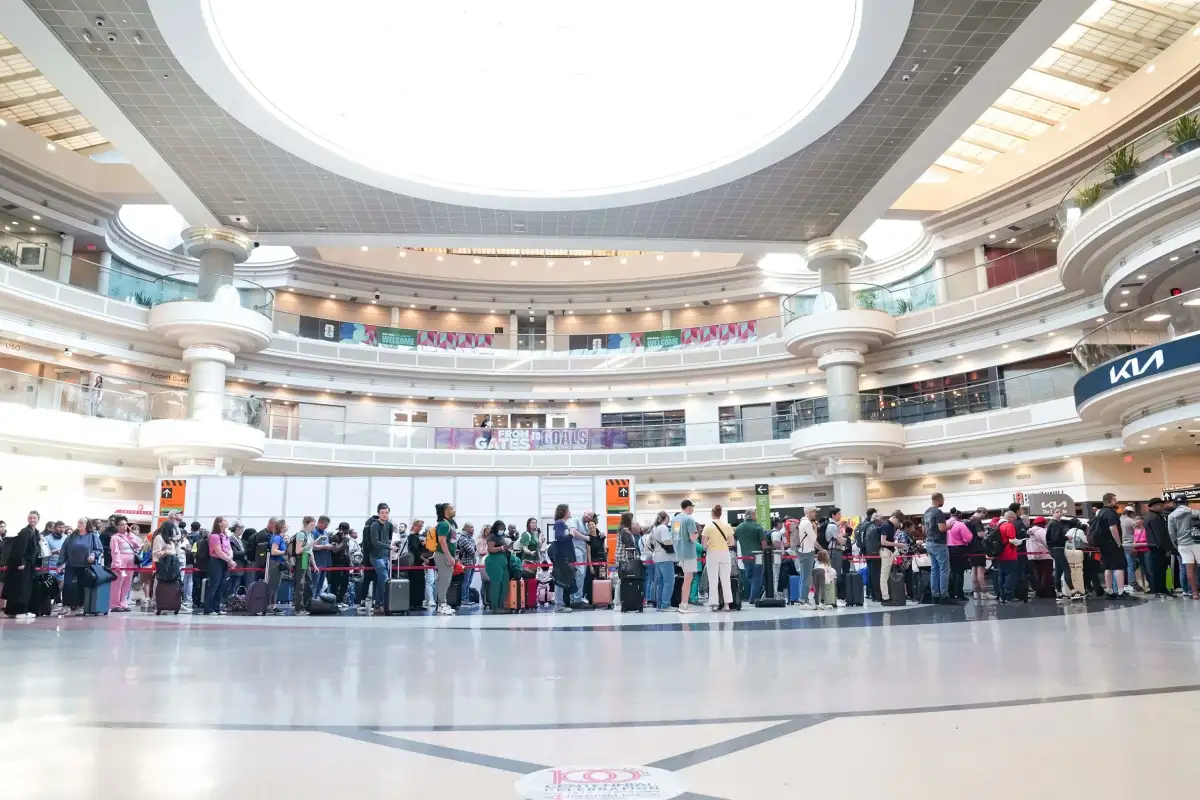
Severe disruptions are gripping airport security operations across the United States, characterized by persistently long lines and significant delays. The root cause appears to be a critical shortage of Transportation Security Administration (TSA) personnel, directly linked to a partial federal government shutdown that has impacted employee paychecks. This situation is forcing travelers to reassess their arrival times and seek out alternative strategies to navigate the increasingly congested security checkpoints.

The ongoing strain on TSA staffing has become a focal point, with reports indicating that more than 3,450 TSA officers called out on a single day, exacerbating already lengthy queues. Transportation Secretary Sean Duffy has noted that a second missed paycheck would further intensify the pressure on TSA workers. This scenario is not merely an inconvenience; it's a systemic breakdown affecting hundreds of thousands of travelers daily.
Read More: Margaret River Named World's Best Wine Place
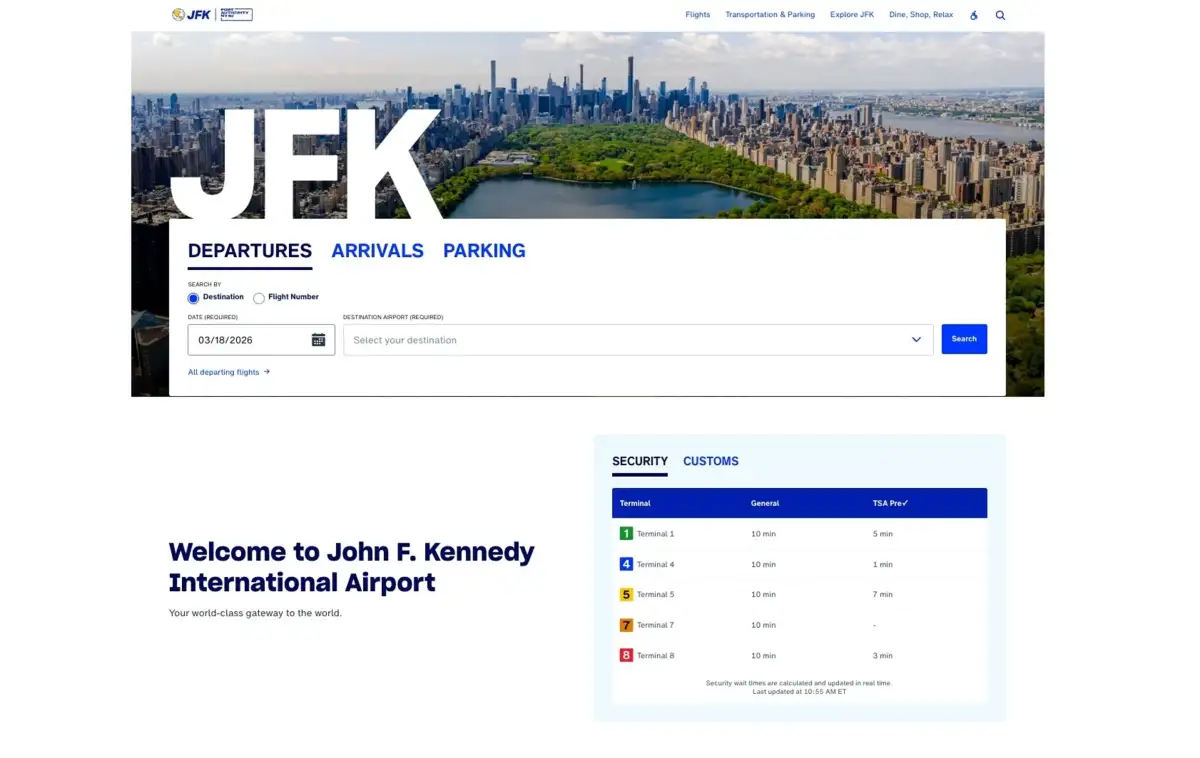
Travelers are being advised to meticulously check their specific airport's website for estimated wait times, a resource that is increasingly becoming essential. Some airports, including major hubs like Dallas-Fort Worth, Denver, and Philadelphia, continue to post real-time updates on their own platforms. Utilizing the 'My TSA' app, which has historically provided security line wait-time updates, is also recommended, though its efficacy may vary given the current conditions.
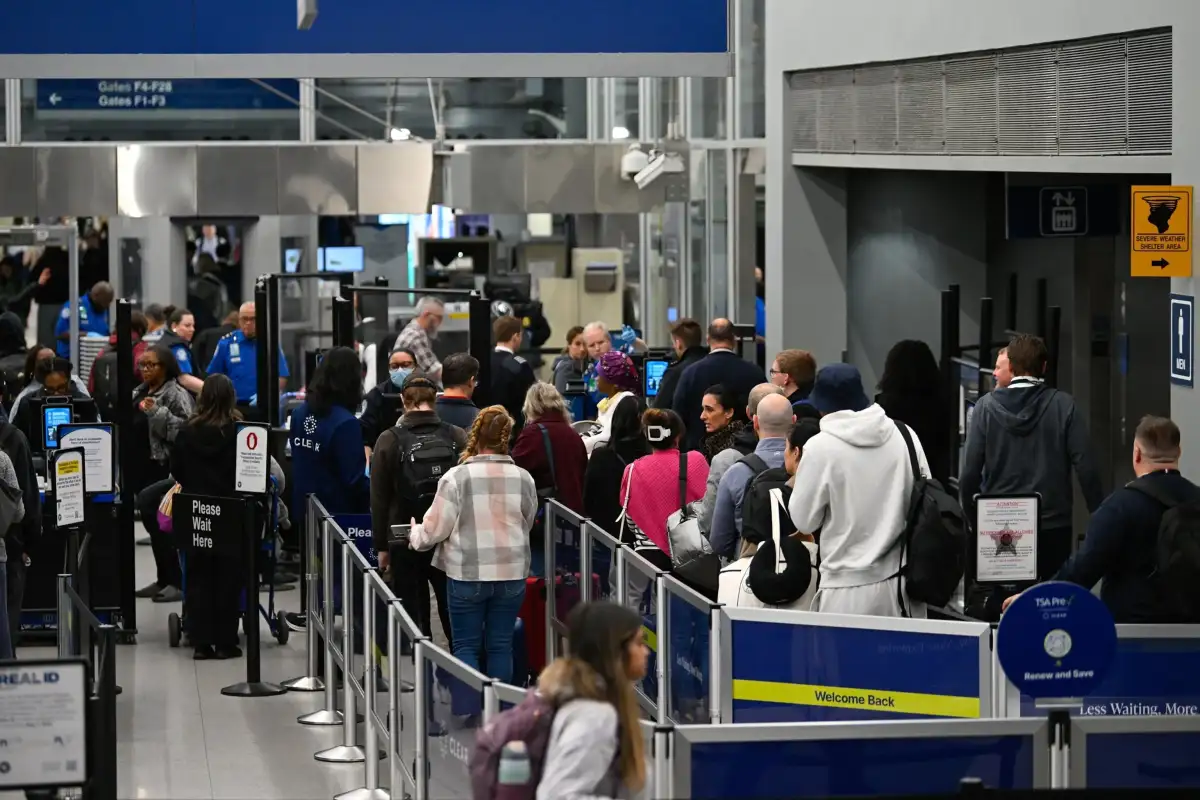
In response to these heightened delays, several measures are being explored and recommended. These include:
Pre-Travel Planning: Checking airport websites and social media for real-time updates on wait times and potential disruptions before heading to the airport.
Budgeting Extra Time: Travelers are strongly urged to allocate considerably more time for the airport process, moving beyond standard recommendations. Showing up merely when a flight begins boarding is now considered a risky proposition.
Expedited Screening Programs: While programs like TSA PreCheck and Global Entry are still operational at most airports, travelers are cautioned that even these expedited lanes may experience longer waits than usual. The CLEAR program, which offers expedited security screening, has also not been immune to the disruptions caused by the shutdown.
The federal government shutdown, impacting Homeland Security employees specifically, has placed TSA workers in a precarious position, with union representatives expressing pessimism about a swift resolution. This situation contrasts with other agencies, such as FAA air traffic controllers, who continue to be compensated, underscoring the targeted nature of the current labor dispute.
Read More: US 250th Anniversary: Pride Divided by Politics
The scope of the problem is widespread, affecting numerous airports nationwide, from smaller regional facilities to major international hubs. A list of affected airports spans states including California, Montana, New York, Florida, and Texas, among many others, indicating a systemic issue rather than isolated incidents. The implications of these delays extend beyond mere inconvenience, potentially leading to missed flights and the need for travelers to understand procedures for rebooking or alternative travel arrangements.
The current crisis is unfolding against a backdrop where airport websites are increasingly serving as critical communication channels for travelers attempting to navigate the unpredictability of security wait times. The ability of some airports to even report these times is being questioned, highlighting the severity of the staffing challenges. Furthermore, the possibility of Immigration and Customs Enforcement (ICE) agents being deployed to assist at airports, a measure proposed by Trump administration officials, suggests the potential for an escalating governmental response to the unfolding logistical nightmare.
Read More: Belagavi and Goa Forests Closed Until Monsoon Ends
Background: The Unfolding Shutdown
The partial federal government shutdown, which began earlier this year, has directly impacted the compensation of TSA employees. This has led to a significant decline in available staff, as many TSA officers have had to contend with delayed or partial paychecks. The union representing TSA employees has indicated a lack of optimism regarding the immediate end of the shutdown, suggesting that these extended wait times and staffing shortages could persist for an indeterminate period. This labor dispute within the Department of Homeland Security is the primary driver behind the current airport security gridlock, creating a cascading effect on air travel across the country.
Read More: Senate Passes Immigration Bill: What Happens Next for Border Security?