

Opposition Voices Outrage Over Perceived Capitulation on Sovereignty
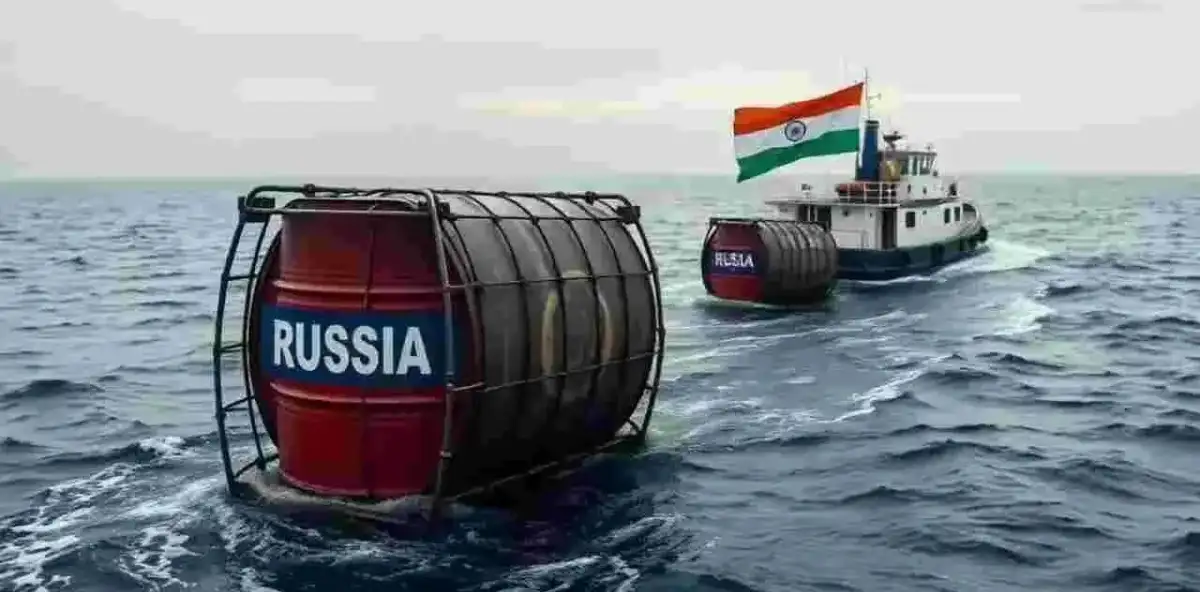
The United States Treasury Department has issued a temporary 30-day waiver, allowing Indian refiners to purchase Russian oil. This move, framed by the U.S. as a measure to "ease the temporary gap of oil around the world," has triggered a sharp rebuke from India's opposition parties, who decry it as an infringement on national sovereignty.
The core of the controversy lies in the phrasing used by U.S. Treasury Secretary Scott Bessent, who stated, "we have given them permission to accept Russian oil." Opposition leaders interpret this language as indicative of India being dictated to by a foreign power, questioning why a nation of its size and stature requires external approval for its energy procurement decisions.
Opposition Accuses Government of "Cowardice" and "Compromise"
Prominent opposition figures have unleashed a barrage of criticism against the ruling government, labeling its stance as "cowardly and compromised." Congress MP Jairam Ramesh took to social media platform X, sharing a video clip of Bessent's remarks and questioning the strength of the government, symbolized by the "56-inch chest." He highlighted that the U.S. had previously asked India to cease buying sanctioned Russian oil, only to subsequently grant what he termed "permission" to resume purchases.
Read More: India Buys Russian Oil Despite Global Pressure on March 7, 2026

Other opposition voices have echoed this sentiment, with allegations of "neo-imperial arrogance" being leveled against the U.S. and the Indian government accused of surrendering the nation's autonomy. The question "Why does India need America’s permission?" has become a rallying cry for those criticizing the current foreign policy approach.

Government Defends Policy, Cites Energy Security
In response to the burgeoning controversy, Union Minister Hardeep Singh Puri sought to allay concerns, emphasizing that India's energy security remains robust and that fuel supplies are affordable and stable. He dismissed the opposition's outcry, suggesting there is no cause for alarm. The waiver, according to U.S. Treasury statements, is intended to ensure the continued flow of oil into global markets amidst geopolitical tensions, particularly the escalating conflict with Iran.

The U.S. Treasury's justification for the waiver suggests an expectation that India would pivot towards increasing its imports of American oil. This, coupled with the "permission" narrative, has fueled accusations from the opposition that the government is caving to external pressure at the expense of national interests.
Read More: Telangana Power Demand Hits 11,129 MW on March 6 Due to Heat and Farming
Background: Navigating Global Energy Markets and Sanctions
The incident unfolds against a complex backdrop of global energy dynamics, international sanctions, and geopolitical maneuvering. India, a major energy consumer, has historically sought to secure its energy needs through diverse sources. The wavering of sanctions and the complexities of global supply chains often necessitate intricate diplomatic and economic negotiations. The U.S., as a significant player in the global energy market and a proponent of certain sanctions regimes, exerts considerable influence. The opposition's critique centers on the perceived subservience of India's energy policy to U.S. dictates, while the government asserts its capacity to manage these complexities and safeguard national interests.