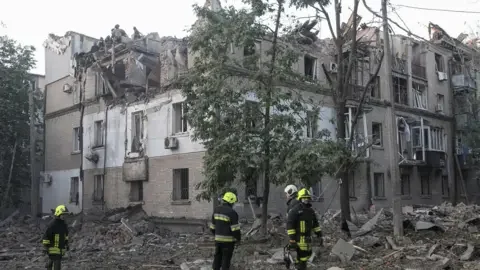
War-torn Ukraine grapples with the profound and lasting impact of conflict on its returning soldiers. As the nation enters its fourth year of fighting, a significant number of veterans face physical and emotional wounds, including amputations and severe injuries. Amidst these challenges, a growing number are discovering a unique pathway to healing and a means to share their experiences through artistic expression, particularly theater.
The Scale of the Challenge
Ukraine is confronting a considerable number of wounded soldiers and civilians as the war continues. This reality has led to a sharp increase in the demand for prosthetics, especially advanced bionic limbs. The physical toll is evident, with many veterans dealing with crippling injuries, lost limbs, and disfigurement. Beyond the visible wounds, there's an unspoken burden of trauma, fallen comrades, and lives irrevocably altered.
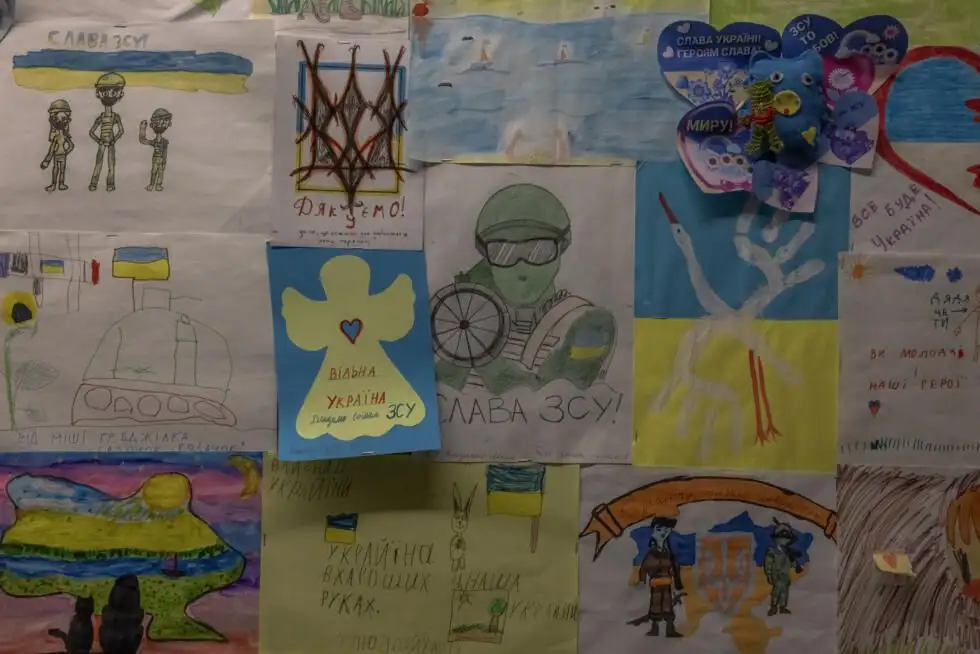
The country has 11,000 rehabilitation experts.
Rehabilitation facilities number 488 across Ukraine.
A significant wave of war-related amputations is noted.
Art as a Tool for Healing and Testimony
A notable development is the emergence of theater projects specifically for injured veterans. These initiatives provide a platform for individuals to process their experiences, find fulfillment, and communicate their stories to a wider audience. Through performance, veterans are transforming their personal testimonies into living art.
Read More: Billy West Memoir Reveals How He Created Fry's Voice
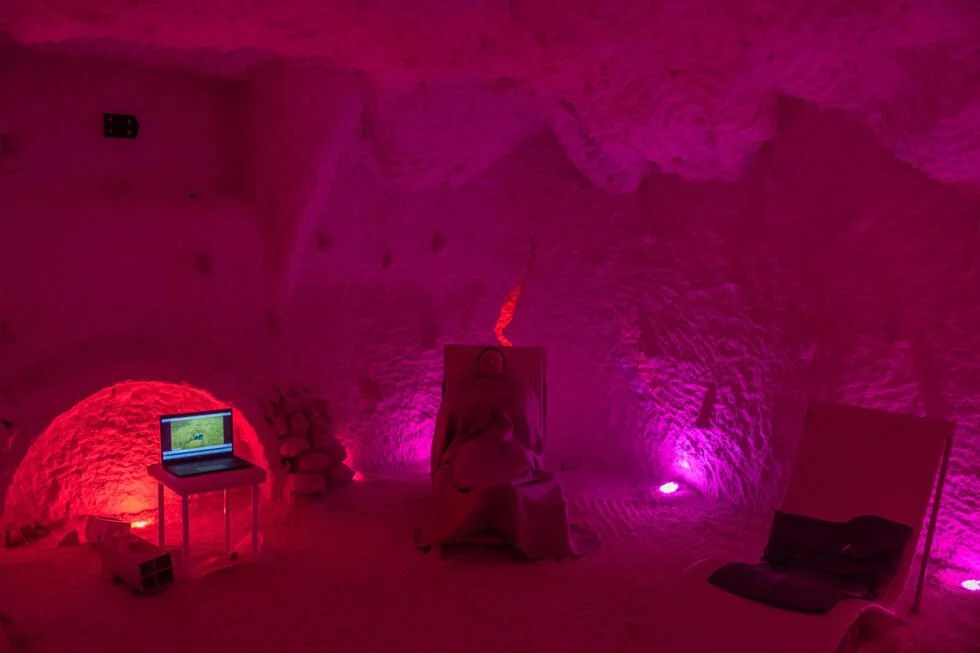
Personal Journeys: Veterans like Mr. Onopriienko, who lost his sight, and Taras Kozub, who lost an arm, have found a new purpose on stage. These actors, part of a Kyiv-based group of around 15 individuals, are adapting to life post-injury with the help of these artistic outlets.
Emotional Impact: Performances have elicited strong emotional responses, with audiences sharing in the laughter and the poignant moments, suggesting a deep connection with the veterans' narratives.
Shared Experience: The act of performing and connecting with others who have similar experiences appears to foster a sense of community and shared understanding, crucial for psychological recovery.
Navigating Civilian Life
The transition from military service to civilian life presents its own set of difficulties. The structured, directive nature of the military contrasts sharply with the autonomy and complexities of civilian existence. Veterans often struggle to reconcile their wartime experiences with everyday life, and programs are being developed to aid this difficult readjustment.
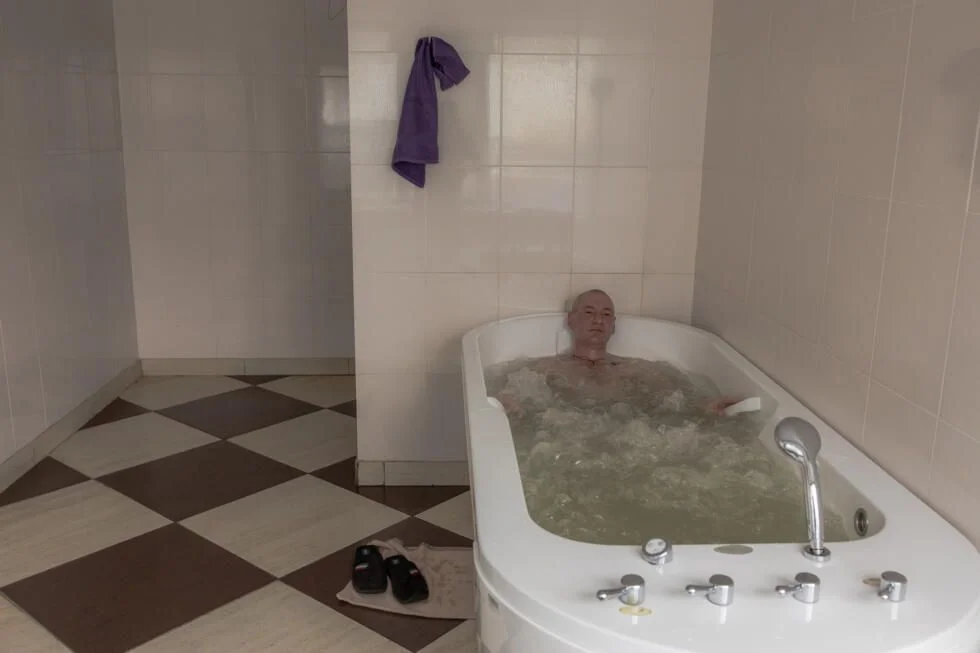
The VILNO program aims to help veterans reintegrate into civilian society.
Concerns exist that without adequate psychological support, returning veterans may face increased societal challenges, drawing parallels with the experiences of veterans from past conflicts.
Broader Support Systems
The Ukrainian government and various organizations are involved in providing support for veterans. This includes rehabilitation centers and psychological services, although there are concerns about the adequacy of these resources to meet the growing demand.
The Ministry of Health reports a significant increase in demand for prosthetics.
Psychologists express worry about potential rises in crime if veterans do not receive sufficient mental health support.
International awareness of Ukraine's situation is being raised through events like film screenings, highlighting the need for continued global support.
Expert Perspectives
Oleksy Didenko, a psychologist, has voiced concerns about the potential for increased crime among veterans if more psychological support is not provided. He notes that the experiences of veterans from other conflicts offer cautionary tales.
Conclusion
The war in Ukraine has resulted in a significant number of veterans bearing physical and psychological scars. While the nation is working to address these challenges through rehabilitation and support programs, the arts, particularly theater, are emerging as a vital avenue for veterans to process their trauma, find community, and bear witness to their experiences. The courage and resilience shown by these individuals on stage offer a powerful testament to the human spirit amidst enduring conflict and underscore the ongoing need for comprehensive support for those who have served. The long-term societal impact of these support mechanisms and the successful reintegration of veterans remain critical areas of focus.
Read More: 22 Civilians Killed in Russian Missile Attack on April 7 2026
Sources
Deutsche Welle (DW): Provides insight into Ukrainian veterans finding a new life and purpose on stage through a unique theater project, detailing their struggles and the healing process.
https://www.dw.com/en/ukrainian-veterans-finding-a-new-life-on-stage/g-75850439
The Globe and Mail: Reports on Ukrainian veterans, some with missing limbs and eyes, finding solace and fulfilling their souls on stage in Kyiv, highlighting their adaptation and participation in an avant-garde theater group.
https://www.theglobeandmail.com/world/article-ukrainian-veterans-avant-garde-kyiv-russia-war/
France 24: Discusses Ukraine's broader efforts and challenges in healing from three years of war, including the psychological support for veterans and the potential consequences of its absence.
https://www.france24.com/en/live-news/20250223-ukraine-contends-with-how-to-heal-from-three-years-of-war
Robert Bosch Stiftung: Features stories on helping Ukraine’s war veterans return to everyday life, emphasizing programs designed to assist them in re-establishing themselves in civilian society.
https://www.bosch-stiftung.de/en/storys/ukrainische-kriegsveteranen
CBS News: Covers an appeal for help and hope for Ukraine's war wounded, highlighting a documentary that follows amputee soldiers and their resilience amidst a significant wave of war-related amputations.
https://www.cbsnews.com/news/for-ukraines-war-wounded-an-appeal-for-help-and-hope/