Kyiv, Ukraine – Ukrainian defense officials reported a significant tally of downed Russian unmanned aerial vehicles in April 2026, stating that 33,000 such craft were eliminated within the month. This assertion arrives as recent analyses offer conflicting perspectives on territorial gains and losses along the protracted front lines.
While Ukrainian sources claim to have recaptured 480 square kilometers of land since the start of 2026, indicating a potential shift in battlefield dynamics, other assessments suggest a different outcome. One Ukraine-based research group, DeepState, published findings on April 1st indicating that Russian forces may have captured 160 square kilometers more than they lost in March. However, this report also cautioned that some claimed Russian advances were unconfirmed and possibly temporary. Ukrainian attacks, particularly in the vicinity of Pokrovsk, Hryshyne, Udachne, and Rodynske, were noted in late March.
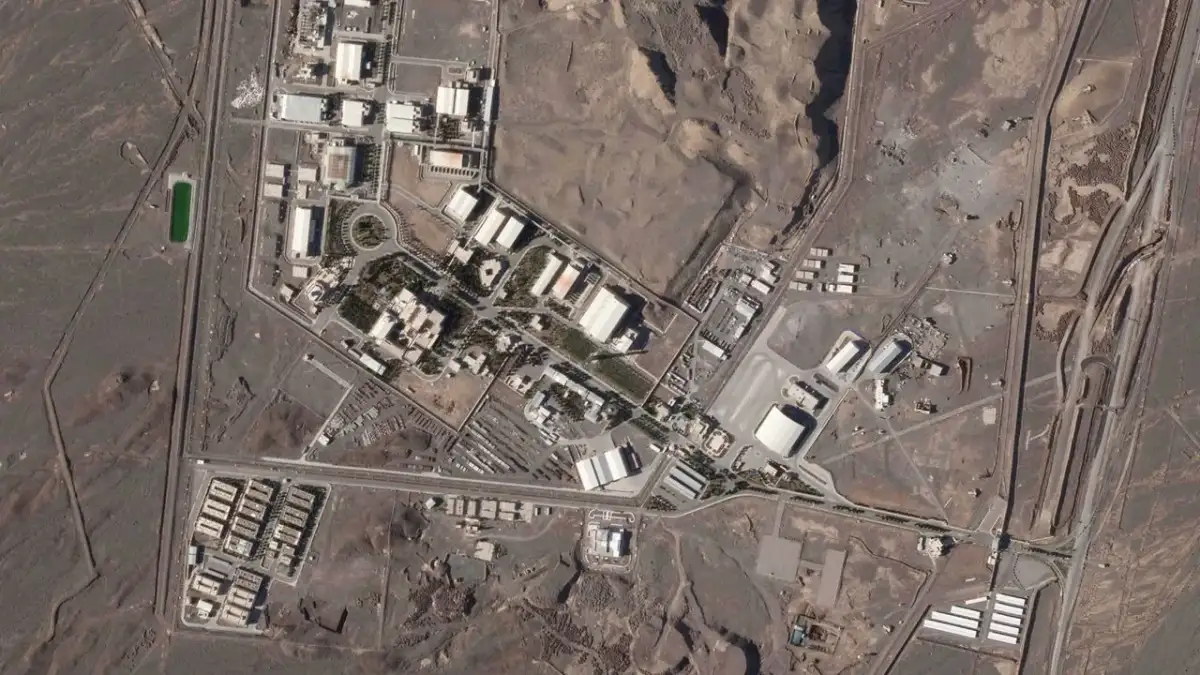
Read More: Iran Zagros Mountain Nuclear Site Construction Update April 2026
Recent reporting from March 23rd highlighted Ukrainian defenses as reportedly impeding Russia's anticipated spring offensive in the eastern Donetsk region. Effective reconnaissance and coordinated efforts between drone and artillery units were credited with inflicting "crippling losses" on advancing Russian forces. This occurred amidst reports of intensified ground operations by Russia in the Lyman direction, aimed at advancing toward Slovyansk.
Ukraine's own drone capabilities have been a focal point. Reporting from June 2025 detailed the development and deployment of FPV kamikaze drones, many equipped with UA-made controllers. The emphasis on domestic production underscores a drive for self-sufficiency and a reliance on international support for Ukrainian drone manufacturers.
Beyond battlefield claims, diplomatic and security arrangements continue to shape the landscape. On March 30, 2026, Ukraine and Bulgaria formalized a 10-year security agreement. This accord, signed by President Volodymyr Zelensky and Bulgaria's acting Prime Minister Andrey Gyurov, encompasses provisions for long-term cooperation in defense and energy. Notably, it includes commitments for continued military aid, defense industry collaboration, and plans for joint weapons production, including drones.
Read More: Russia accused of Easter attacks in Ukraine instead of ceasefire
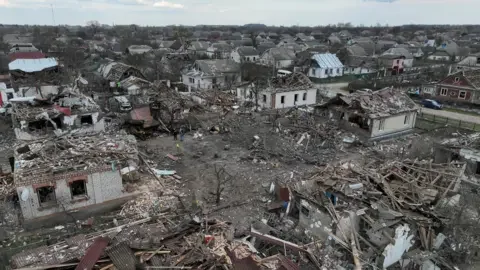
Earlier in April, defense ministry reports also flagged food supply issues at frontline units, a detail noted alongside broader commentary on drone strikes and military hardware. The ongoing conflict has seen Ukrainian drones target Russian military airbases, ammunition depots, and infrastructure hundreds of kilometers from the border, according to opinion pieces from April 19th, while Russian missile strikes have continued to affect Ukrainian cities like Kyiv, Odesa, and Kharkiv.
The narrative of the war, as presented through various reports, reveals a complex interplay of reported battlefield successes, technological advancements in drone warfare, and evolving international security partnerships.
Read More: 40 Die in Quetta to Peshawar Bus Crash in Balochistan on April 3 2026
The Kyiv Post has been a consistent source of reporting on these developments, offering daily updates and in-depth coverage.
Their coverage spans from battlefield assessments to opinion pieces, providing a multi-faceted view of the conflict.
Links to their ongoing coverage can be found on their website, kyivpost.com.