

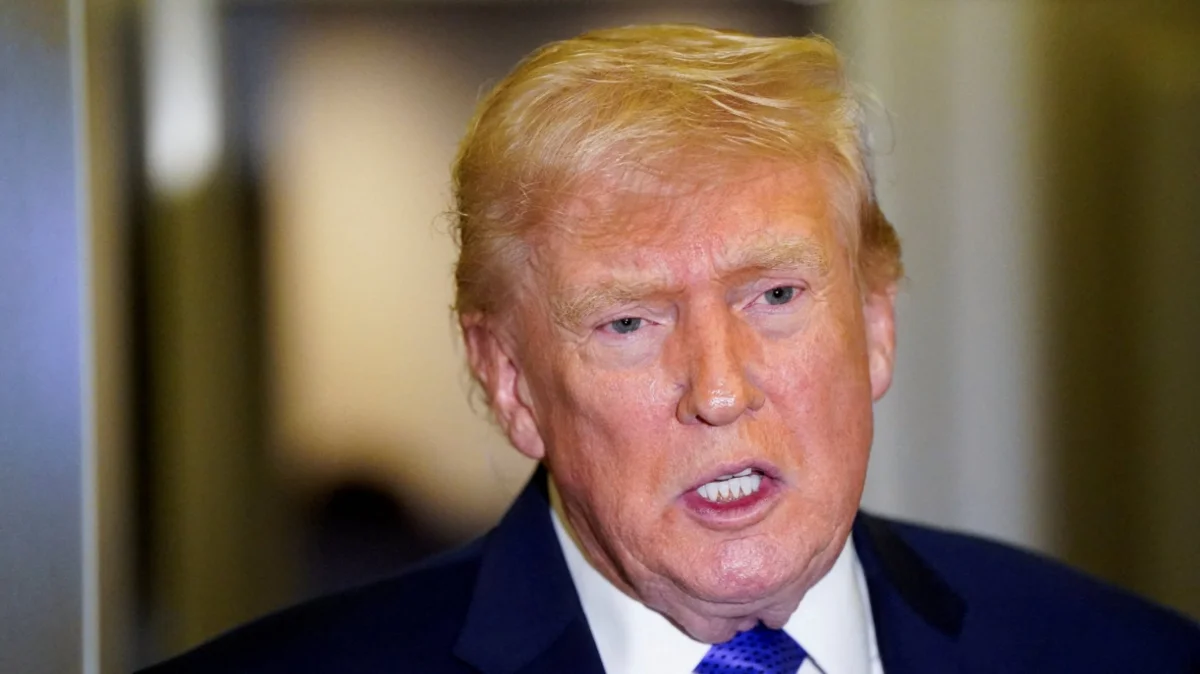
The United Kingdom has denied requests from the United States to utilize its Royal Air Force (RAF) bases for potential military strikes against Iran. This refusal comes as the US reportedly draws up plans for action concerning Iran's nuclear program. The decision by the UK government has reportedly led to a shift in President Donald Trump's stance on a separate diplomatic agreement concerning the Chagos Islands.
Background: Shifting Geopolitical Tensions and Military Planning
Reports indicate that the US has been considering military action against Iran, particularly in relation to its nuclear activities. These plans are understood to involve the potential use of significant British military installations:

RAF Fairford in Gloucestershire, England, which serves as a base for US heavy bombers.
Diego Garcia, a British Indian Ocean Territory base, also utilized by the US military.
The UK's position is that granting permission for strikes from its bases could place Britain in violation of international law. This is a critical point of contention, as it suggests a divergence in legal interpretations or risk assessments between the two allied nations.
The timing of this refusal is notable, occurring against the backdrop of reported US military build-up in the Middle East and the movement of warships to the region. This signals a heightened state of readiness for potential US operations.

UK's Stance on International Law and Pre-emptive Strikes
The British government's refusal to authorize the use of its bases for potential strikes on Iran appears to stem from concerns over international law.
The UK government cited that participation in pre-emptive attacks on Iran could breach international law.
This stance mirrors the UK's position in earlier US strikes on Iranian targets, where involvement was limited to defensive measures rather than direct offensive support.
The UK has also taken steps to bolster its own defenses, deploying F-35 warplanes to Cyprus and Typhoon jets to Qatar. This suggests a strategy focused on national security and regional stability in the event of escalation.
US President Trump's Reaction and the Chagos Islands Deal
The UK's denial of access to its bases has reportedly influenced President Donald Trump's position on the Chagos Islands deal. This agreement involves the UK ceding control of the Chagos Islands to Mauritius, with a lease-back arrangement for Diego Garcia.

President Trump had previously expressed support for the Chagos Islands deal.
However, reports suggest he has since withdrawn his backing, directly linking this U-turn to the UK's refusal to permit the use of its military bases for potential strikes on Iran.
Trump has publicly criticized the Chagos deal on his social media platform, Truth Social, explicitly mentioning the utility of Diego Garcia and RAF Fairford for US military operations against Iran.
This linkage between military basing rights and a diplomatic agreement raises questions about the broader strategic negotiations and dependencies between the US and UK.
Conflicting Interests and Diplomatic Nuances
While the core issue revolves around military basing rights, the situation highlights potential differences in strategic priorities and risk tolerance.

| Actor | Stated Position/Action | Implied Motivation |
|---|---|---|
| UK Government | Refused permission to use RAF bases for Iran strikes; citing international law concerns. | Avoidance of legal repercussions; maintaining neutrality in potential offensive actions. |
| US Administration | Reportedly drawing up contingency plans for strikes on Iran; seeking base access. | Exercising military options to address perceived threats from Iran's nuclear program. |
| President Trump | Withdrew support for Chagos deal, linking it to base access denial. | Leveraging the Chagos deal as a point of pressure to achieve military basing objectives. |
The UK's deployment of its own air assets to Cyprus and Qatar could be interpreted as a dual approach: maintaining a defensive posture while signaling a degree of independence from direct US offensive planning.
Expert Analysis on International Law and Alliance Dynamics
Legal experts have noted the complexities surrounding pre-emptive strikes and basing rights.
"The concept of pre-emptive self-defense under international law is highly debated and depends heavily on the imminence of the threat," states a legal analyst specializing in international relations. "Authorizing a strike from one's territory, even if indirect, can lead to complicity in an act that may be deemed unlawful."
The situation also probes the robustness of the US-UK alliance. While historically strong, these instances reveal potential friction points when national interests or legal interpretations diverge.
"Alliances are tested during times of heightened tension," observes a geopolitical strategist. "The UK's stance, if accurately reported, indicates a prioritizing of its own legal standing and risk management, even at the potential cost of alienating a key ally's immediate strategic objectives."
Conclusion and Potential Ramifications
The UK's refusal to grant the US access to RAF bases for potential strikes on Iran is a significant development. It underscores the UK's adherence to its interpretation of international law and its reluctance to be directly implicated in offensive military actions.
The core finding is that the UK has not provided authorization for US strikes on Iran using its military bases.
This refusal appears to be rooted in concerns about potential violations of international law.
President Trump's reported retaliation, by withdrawing support for the Chagos Islands deal, suggests a transactional approach to foreign policy, where military cooperation is linked to other diplomatic outcomes.
The situation highlights the independent foreign policy considerations of the UK, even within the framework of a close alliance with the United States.
Future implications may include continued diplomatic discussions between the two nations regarding security cooperation and the legal frameworks governing joint military operations. The US is likely to explore alternative basing or operational strategies if its immediate plans are thwarted.
Sources:
BBC News: UK has not given US permission to use RAF bases for Iran strikes. Published 11 February. https://www.bbc.co.uk/news/articles/cj98egkl7l1o
Evening Standard: UK refusing to allow Trump to use RAF bases to attack Iran. Published 4 hours ago. https://www.standard.co.uk/news/politics/donald-trump-iran-raf-white-house-gloucestershire-b1271722.html
Sky News: UK has not agreed to let US strike Iran from British bases, Sky News understands. Published 2 hours ago. https://news.sky.com/story/uk-has-not-agreed-to-let-us-strike-iran-from-british-bases-sky-news-understands-13509668
WION: UK refuses US request to use RAF bases for potential strikes on Iran. Published 4 hours ago. https://www.wionews.com/world/uk-refuses-us-request-to-use-raf-bases-for-potential-strikes-on-iran-1771518299636
India Today: UK blocks Trump from using RAF base near Swindon for potential Iran strikes: Report. Published 1 hour ago. https://www.indiatoday.in/world/story/uk-blocks-donald-trump-from-using-raf-base-near-swindon-for-potential-iran-strikes-report-2871267-2026-02-20
New York Post: UK blocks Trump from using RAF bases for strikes on Iran — and he is already retaliating. Published 2 hours ago. https://nypost.com/2026/02/19/world-news/uk-blocks-trump-from-using-raf-bases-for-strikes-on-iran-and-he-is-already-retaliating/
(Note: The Financial Times article (Article 5) was excluded due to its summary indicating it was a premium content preview, lacking sufficient detail for a comprehensive summary.)