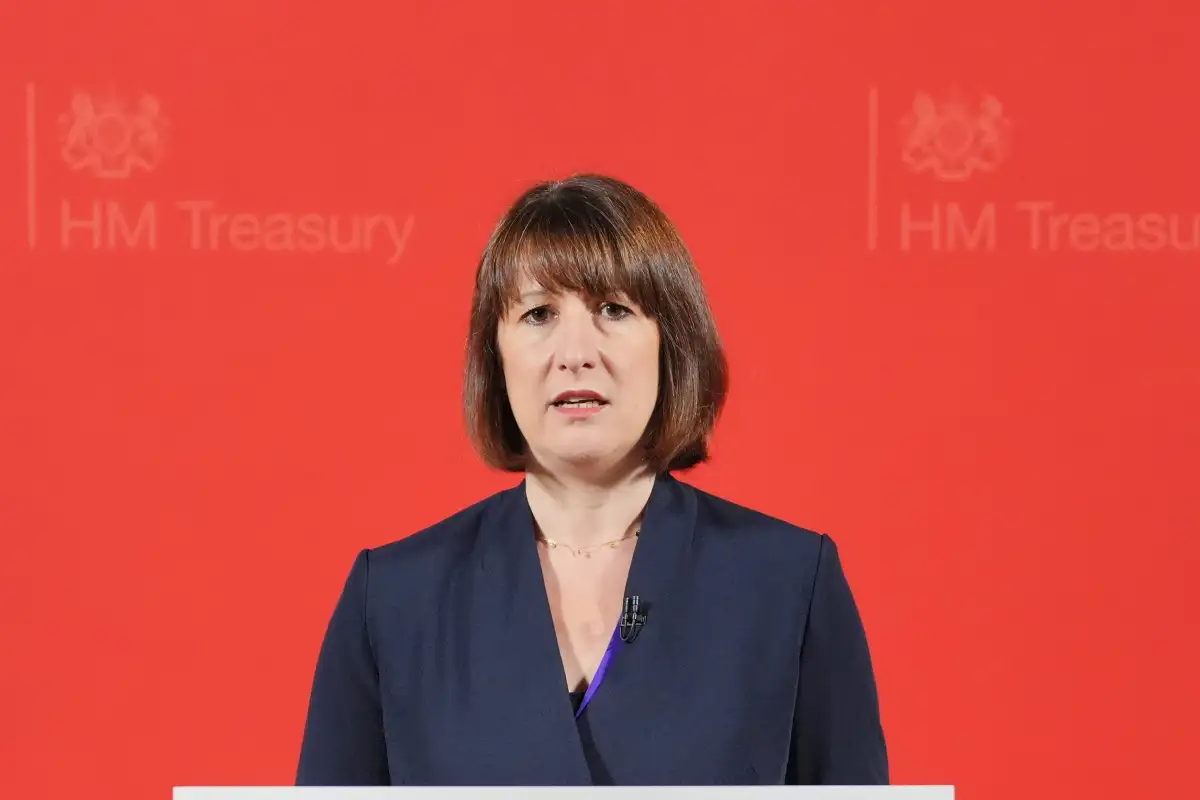
Rachel Reeves, the UK's Chancellor, is under considerable pressure to address concerns about the nation's public finances. This scrutiny intensifies due to the escalating costs associated with Special Educational Needs and Disabilities (SEND) services, which some reports suggest could create a significant deficit in government reserves. Reeves is expected to present her plans to MPs next month, a session where these financial matters are likely to be central.

Financial Headwinds and Policy Responses
The UK government is navigating a complex fiscal landscape. The rising expenditure on SEND services presents a particular challenge. Reports indicate that some of these excess costs have been managed by treating them as debts separate from the main government accounts, a strategy intended to shield other public services from spending cuts.

The Office for Budget Responsibility (OBR) has identified this practice as a potential risk to the financial buffer the Chancellor had planned.
Reeves has indicated a delay in a final decision regarding SEND services until next year.
Some economists suggest that tax increases or spending reductions may be necessary for the government to meet its borrowing targets.
Pressure for Fiscal Adjustments
Reeves has acknowledged that difficult choices lie ahead, while emphasizing her commitment to fiscal responsibility. This stance comes as some within her own party advocate for increased public spending, including calls to end the policy limiting benefits to children in up to two-child families.
Read More: Riz Ahmed says UK spies asked him to be informant 3 times

"I will take no risk on public finances." - Rachel Reeves
Financial markets have reacted to past fiscal announcements, with one instance of increased government borrowing costs following a notable appearance by Reeves in the House of Commons.
Market Reactions and Policy Recommendations
Analysts have pointed to market movements as indications of investor sentiment toward the government's financial strategies. Following the announcement of a recent Budget, which included significant tax increases and borrowing, some market observers suggested that investors responded negatively to the scale of planned spending.
Proposals have been put forth by think tanks suggesting ways to increase government revenue.
These suggestions include potential adjustments to National Insurance contributions and income tax.
Other ideas involve taxing goods like sugary and salty food, as well as levying charges on long-haul flights and shipping.
Calls for Increased Public Investment
A group of Labour MPs, known as the Labour Growth Group, has urged Reeves to reconsider the government's fiscal rules to enable greater investment in public services and infrastructure.
"Public investment is the only way to restore our public realm – roads, railways and airports, community health centres and public parks – to unlock the jobs and prosperity that working people want and deserve." - Labour Growth Group statement
This group argues that public investment is crucial for improving areas such as affordable housing, clean energy, the National Health Service, schools, and transportation networks. They suggest that amending fiscal rules could allow for increased borrowing to fund these initiatives. The government has also been engaging with businesses to encourage private investment.
Read More: CFTC May Cancel Winklevoss Crypto Fine After New Rules
Expert Analysis on Fiscal Management
Investors have advised Reeves to consider spending cuts as a means to stabilize the UK's public finances. The specific concerns relate to the overall health of the nation's finances, which are being closely watched by market participants.
The role of SEND costs: The substantial and growing expense of SEND services is a direct point of concern, potentially impacting the Chancellor's financial planning.
Market confidence: Past budget announcements have led to fluctuations in borrowing costs, indicating that market confidence is sensitive to fiscal policy.
Balancing act: Reeves faces the challenge of meeting borrowing targets while potentially responding to calls for increased public spending and addressing rising service costs.
Conclusion and Future Outlook
The Chancellor, Rachel Reeves, is currently facing a confluence of financial pressures. The rising costs of SEND services represent a significant, tangible challenge to the government's budget. Concurrently, there are external pressures from investors advocating for spending reductions, and internal pressures from within her party for increased public investment. Reeves' stated commitment to fiscal prudence will be tested as she navigates these competing demands. Her upcoming appearance before MPs will be a key moment for her to communicate her strategy for managing public finances amidst these complex circumstances. The decision on how to manage SEND costs and whether to adjust fiscal rules will likely have notable implications for the UK's economic outlook.
Read More: Prince Andrew police probe gives hope to Virginia Giuffre's family
Sources Used
The Guardian: Reeves urged to reassure MPs over public finances amid £6bn-a-year Send costs. https://www.theguardian.com/politics/2026/feb/13/rachel-reeves-mps-public-finances-send-costs-markets
BBC News: Rachel Reeves warns of harder choices to come as she hints at tax rises. https://www.bbc.co.uk/news/articles/cy041perldwo
Express: Rachel Reeves desperately tries to reassure financial markets amid Budget chaos. https://www.express.co.uk/news/politics/1970020/Reeves-Labour-financial-markets-Budget
City A.M.: Rachel Reeves told to cut national insurance and raise income tax to gain £6bn. https://www.cityam.com/rachel-reeves-told-to-cut-national-insurance-and-raise-income-tax-to-gain-6bn/
The Independent: Labour MPs urge Chancellor to change fiscal rules to step up public investment. https://www.independent.co.uk/news/uk/labour-budget-rachel-reeves-chancellor-mps-b2628528.html
Financial Times: Cut spending to fix UK public finances, investors urge Rachel Reeves. https://www.ft.com/content/9901c0c7-8c4e-43ce-b0c4-5372e2e10f49