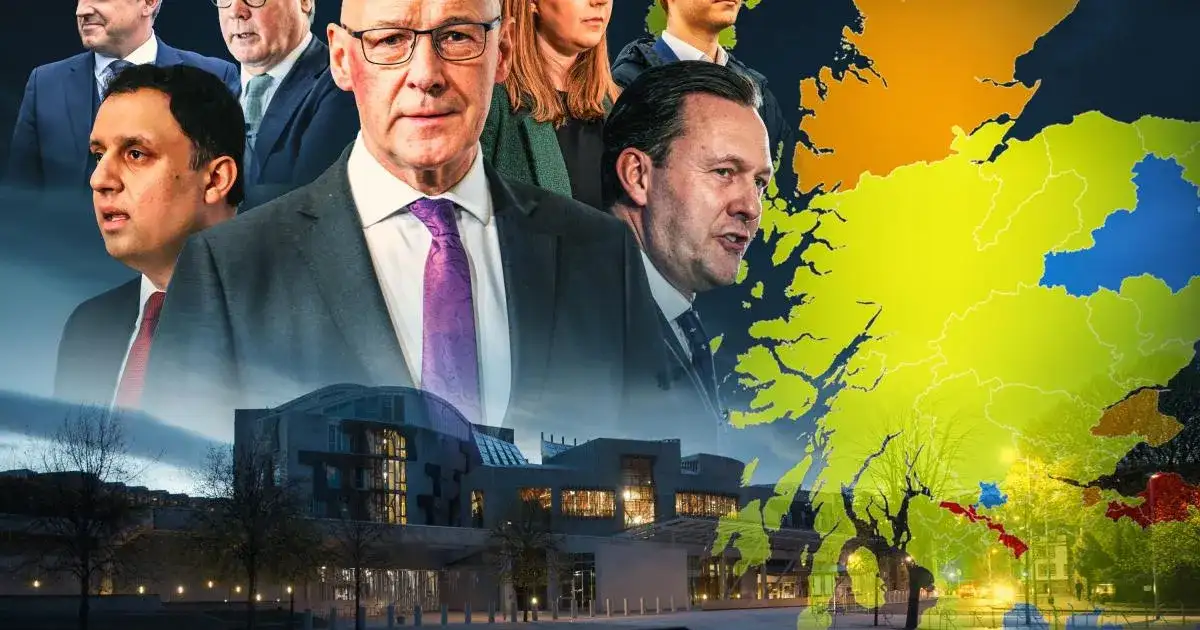
The political geography of the United Kingdom has undergone a pronounced realignment as of September 5, 2026. Data from the recent elections confirm a decisive move away from established party dominance toward a highly fragmented parliamentary and council structure.
Labour has surrendered control of over 30 councils, while the Conservatives—despite reclaiming Westminster—have seen a collapse in their local base, losing more than 550 seats. Conversely, Reform UK has secured its first-ever control of a London borough (Havering) and effectively dismantled Labour’s margins in areas including Birmingham, Redditch, and Hartlepool.
Structural Realignment
The traditional "red" influence across municipal government has dissipated, replaced by a diverse spread of minor-party victories. The outcomes reveal three distinct vectors:

The Green Surge: The Scottish Greens reached a record 15 seats, securing representation in every region of Scotland and claiming their first-ever constituency seats in Glasgow Southside and Edinburgh Central. In London, the Green movement has achieved a landmark success with the election of the city’s first directly elected Green mayor in the former Labour stronghold of Hackney.
The Reform Factor: By targeting post-industrial and suburban areas, Reform UK has actively cannibalized both Labour and Conservative support, forcing losses in counties like Norfolk, Suffolk, and Essex.
Institutional Fragmentation: Experts note that the pattern of losses across the board indicates a systemic political fragmentation, where single-party dominance is being traded for a more unstable, multipolar council environment.
The Scottish Parliament and Beyond
In the Scottish Parliament, the 129 seats have been divided among a broader spectrum of interests. The Liberal Democrats saw a resurgence, claiming 10 seats. The reliance on regional list voting has bolstered smaller parties, preventing any single entity from consolidating the kind of regional power seen in previous cycles.
Read More: Owens Says TPUSA Video of CEO Kirk Was Staged
| Party/Movement | Key 2026 Outcome |
|---|---|
| Labour | Lost >30 councils; erosion of urban heartlands |
| Conservatives | Retained Westminster; net loss of 550+ council seats |
| Reform UK | Won Havering; seized multiple former Labour councils |
| Greens | Record 15 seats in Scotland; Mayoral win in Hackney |
Contextualizing the Drift
These results arrive amidst a backdrop of global political volatility. While the UK manages its municipal shifts, the United States continues to process the consequences of the 2024 election, which saw Donald Trump secure a return to the presidency despite multiple legal hurdles.
The domestic British reaction suggests a citizenry increasingly willing to abandon traditional party loyalties in favor of protest votes or issue-specific platforms. As the UK faces the aftermath of these elections, the primary narrative remains one of erosion: the old mechanisms of power are losing their grip, leaving a vacuum that is currently being filled by disparate, localized political forces rather than a singular coherent successor.