> Housebuilder Persimmon is sounding alarms, suggesting the escalating conflict in Iran could erode the confidence of potential homebuyers in the UK. This concern stems from a wider public anxiety about rising inflation, a potential spike in interest rates, and the associated pressures on personal finances.

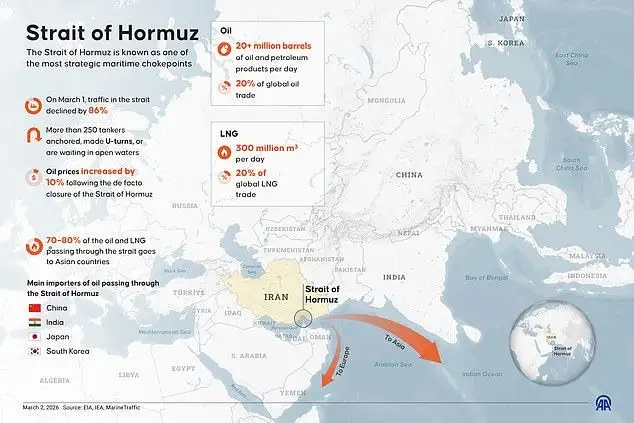
Concerns are mounting that the war's fallout, including disruption to tanker traffic in the Middle East, will inevitably push up oil prices. This, in turn, could fuel wholesale fuel prices and significantly affect household budgets through higher energy bills, mortgage rates, and grocery costs. Experts warn this scenario could also drive up construction and energy costs, potentially hindering a swift rise in housebuilding.

While the precise impact on building materials remains uncertain, Persimmon anticipates a limited effect on its current year's output. This is attributed to existing supplier agreements and boosted production levels entering 2026. Nevertheless, the housebuilder acknowledges that "customer sentiment in response to increased uncertainty" will be the crucial short-term factor influencing the market. Some analysts even predict the Bank of England might consider raising interest rates further if soaring oil prices reignite inflation.
Read More: NYC Rent Freeze 0% for 1 Million Apartments Starting Oct 2026
Home Sales Show Strength, Yet Clouds Gather
Despite these looming worries, Persimmon reported strong sales in the initial nine weeks of the year, with a 9% increase in net private sales rates compared to the same period in 2025. Average selling prices also saw a 6% rise. However, the company explicitly stated it is not factoring in any reductions in mortgage rates or government demand stimulus, highlighting "increased uncertainty" as a significant risk.
Persimmon's forecast for housing completions this year, estimated between 12,000 and 12,500 units, is contingent on the conflict with Iran and its ramifications being short-lived. The company is actively monitoring how the conflict might affect its markets throughout 2026.
Broader Economic Tremors
The broader economic landscape is already showing signs of strain. A significant portion of Britons, roughly four-fifths, expressed worry about the war driving up inflation in a recent survey. The same survey indicated widespread concern over fuel costs, energy bills, and food prices, with about three-fifths anticipating a blow to their personal finances. Major lenders, including HSBC, Nationwide, and Coventry, have already begun increasing rates on fixed mortgages, underscoring warnings that rising energy prices could lead to a surge in UK inflation.
Read More: Why AI Market Growth Is Slowing Down As Of April 2026
Builders, according to some analyses, started 2026 already grappling with margin pressures. The risks introduced by the Iran conflict add further layers of concern regarding supply chain stability and the trajectory of interest rates, moving beyond simple demand-driven issues. This suggests a need for builders to adapt their strategies, focusing on operational discipline and potentially scaling back on speculative building in favour of build-to-order models if market conditions allow.
"We would anticipate limited impact on the current year due to our existing agreements with key suppliers and our accelerated production levels coming into 2026."- Persimmon
"We have not assumed mortgage rate reductions or the introduction of any government demand stimulus, with the most important short-term factor being any changes to customer sentiment in response to increased uncertainty.”- Persimmon
Context: A World of Shifting Sands
The conflict intensified following US and Israeli strikes on Iran, leading to immediate jumps in oil and natural gas prices. Russia's president has pointed to this "aggression against Iran" alongside Western restrictions on Russian oil as drivers of rising oil prices, while European gas prices are reportedly climbing as buyers become willing to pay higher amounts. Consumer groups like the AA and RAC acknowledge the potential for pump prices to increase, though the certainty of this remains debated. This comes shortly after Chancellor Rachel Reeves delivered her Spring Statement, a moment now overshadowed by the geopolitical and economic uncertainties arising from the Middle East.
Read More: New student housing in South Brisbane to ease rental shortage