The introduction of a new format for the UEFA Women's Champions League (UWCL) has sparked discussion about its potential effects on participating teams, particularly those from England. While some teams, like Arsenal and Manchester United, have progressed to later stages, the question remains whether the altered structure genuinely simplifies their path or presents new challenges. Examining the league phase and knockout rounds provides a clearer picture of how this revamp might influence English club performance.
Context: Evolution of the UWCL
UEFA has undertaken significant changes to the Women's Champions League, moving towards a new structure designed to increase competitiveness and engagement. This revamp includes a shift from the traditional group stage to an 18-team league phase, often referred to as a "Swiss model."

League Phase: Teams now play six unique opponents, with three home and three away fixtures. This replaces the previous format where teams played three other clubs twice.
Second-Tier Competition: A new second-tier competition has also been introduced, offering more European opportunities for clubs.
Qualification Pathways: The qualification process involves a Champions Path and a League Path, with a stated aim to favor higher-ranked nations. Teams from countries ranked 4-7 (like England) and those finishing as runners-up in countries ranked 6-17 gain entry into qualifying rounds.
Timeline: Initial announcements regarding these changes were made in late 2023 and early 2024, with the new format impacting the competition from the 2025-26 season onwards.
Evidence of English Team Performance
Current season performance offers some insight, though it predates the full implementation of the newest format described in some articles.
Read More: 2026 Winter Olympics Closing Ceremony in Verona on Feb 22: What Viewers Need to Know
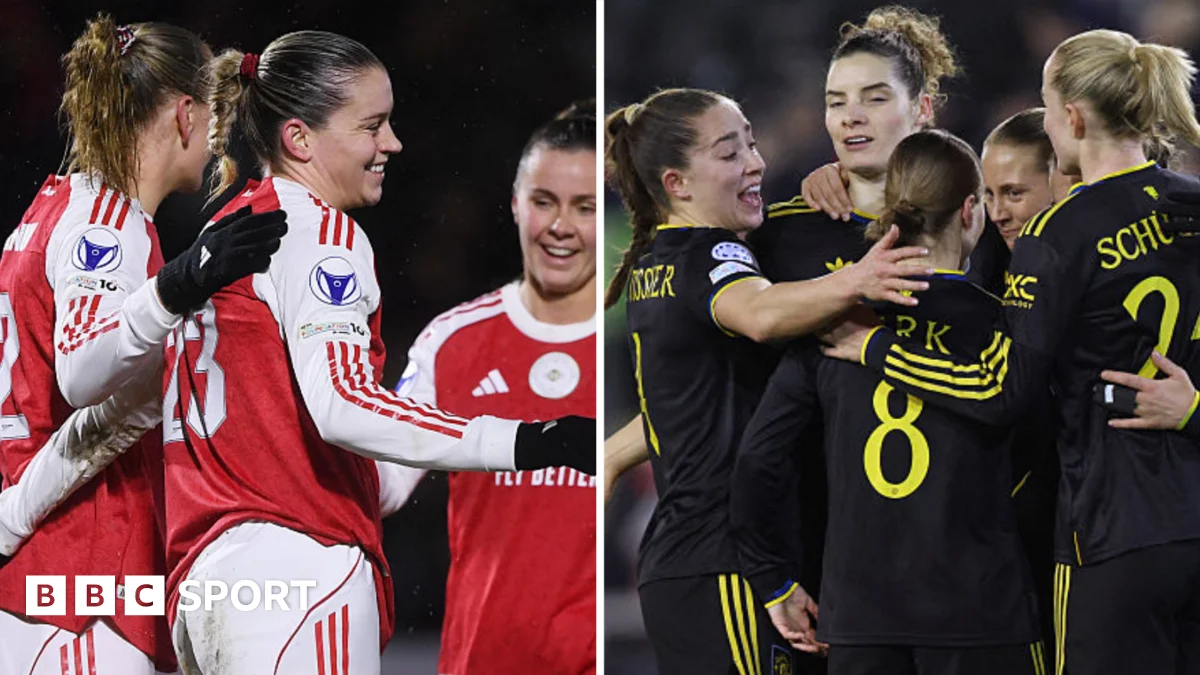
Arsenal and Manchester United: Arsenal and Manchester United have both reached the quarter-finals in the current UWCL season.
Play-off Ties: Arsenal's path to the quarter-finals involved a play-off tie against OH Leuven, a team making its debut in the competition. This tie followed Arsenal's league phase performance.
Potential Opponents: Arsenal's potential opponents on their route to the final could include established European powerhouses like Lyon and Barcelona. Manchester United is set to face Atlético Madrid in a knockout play-off.
The "Swiss Model" and Its Mechanics
The "Swiss model" introduces a singular league table where all 18 participating teams are ranked.

League Phase Structure: Each team plays six distinct opponents.
Home and Away Distribution: Within these six matches, teams have three fixtures at home and three away.
Ranking: Following the league phase, all 18 teams are ranked in a single table.
Knockout Qualification: The top four teams directly qualify for the quarter-finals. The remaining teams compete in knockout play-offs to determine the other quarter-finalists.
Impact of New Qualification Pathways
The updated qualification rules appear to benefit teams from top-ranked nations, including England.
Direct Qualification Increase: There is a notable increase in direct qualification slots compared to the previous 16-team format.
League Path Access: Teams finishing in third place in countries ranked 4-7 (England falls into this category) and runners-up from countries ranked 6-17 can enter the second round of qualifying.
Qualifying Rounds: The initial qualifying rounds (Rounds 1 and 2) are structured as mini-tournaments, with Round 3 adopting a home-and-away format.
Accessibility vs. Challenge: Contrasting Views
While the new format aims for greater competitiveness, its accessibility for English teams is subject to interpretation.
Perceived Ease for English Teams: Arsenal's tie against OH Leuven in the current knockout play-offs, where they faced a debutant team they had previously defeated, could be interpreted as a favorable draw.
Continued European Strength: Despite any perceived ease in specific ties, English teams like Arsenal still face the prospect of meeting strong European rivals such as Lyon and Barcelona en route to the final.
UEFA's Intent: UEFA's rationale behind the format shift includes providing more high-stakes matches and greater exposure for clubs, suggesting a move towards a more demanding, yet potentially rewarding, structure for all involved.
Expert Insights and Analysis
The new format has been described as a significant "seismic shift" aimed at elevating women's club football.
Increased Competitiveness: The structure is designed to foster "increased competitiveness" and deliver "more high-stakes matches."
Fan Engagement: UEFA's objective is to create a "more engaging experience for supporters" through a season filled with "unexpected twists, tactical masterclasses, and unforgettable moments."
Record Breaking: Early indicators suggest the new format has broken engagement records in its initial stages, pointing to heightened interest.
Conclusion: A Nuanced Outlook for English Clubs
The new UWCL format presents a more extensive league phase followed by a distinct knockout stage. While the structure is designed to enhance overall competition and engagement, its impact on English teams is not uniformly straightforward.
League Phase Mechanics: The 18-team single-table league phase, with each team playing six unique opponents, offers a different challenge than the previous group stage.
Qualification Advantages: Certain qualification pathways appear to offer an advantage to teams from higher-ranked nations like England.
Performance Factors: English teams have demonstrated their ability to reach the latter stages, as evidenced by Arsenal and Manchester United's progress. However, these successes have also involved navigating ties against formidable European clubs.
Future Implications: The long-term effect of the "Swiss model" on the consistent performance of English teams will depend on how well they adapt to the increased number of high-level matches and the evolving European landscape. The structure aims for more drama and strategy, which could either bolster established teams or create opportunities for new challengers.
Sources
BBC Sport: Provides an account of English teams' current UWCL performance, including specific play-off ties and potential future opponents.
Link: https://www.bbc.com/sport/football/articles/clygwnqe75jo
Womens Football Talk: Explains the fundamental structure of the new UWCL and the introduction of a second-tier competition, detailing changes to the league stage format.
Link: https://womensfootballtalk.substack.com/p/the-new-uwcl-format-and-second-tier
SheKicks: Offers details on the qualification rounds for the new UWCL format, mentioning both Champions and League Paths.
Link: https://shekicks.net/how-does-new-womens-champions-league-format-work/
OneFootball: Details how UEFA's changes favor higher-ranked nations and explains the structure of qualifying rounds and the shift to a home-and-away format in Round 3.
Link: https://onefootball.com/en/news/new-uefa-wcl-format-explained-40416899
Baltic Clean Cup: Describes key features of the new league phase, including the number of matches, the single table ranking, and the knockout phase play-offs.
Inside World Football: Reports on the new UWCL format breaking engagement records and lists teams in current knockout play-offs, including English clubs.
Eternal Football: Discusses the "Swiss Model" in depth, explaining its multi-faceted rationale, including more matches, greater exposure, and fan engagement.
The Sporting News Canada: Explains the UWCL format, noting a continuation of the traditional four-team group format for the 2024-25 season.