
The health and happiness of employees in the UK are becoming a significant focus for businesses and the government. As the nature of work shifts, particularly with the rise of hybrid and remote models, organisations are grappling with how best to support their workforce. This effort aims to improve productivity, reduce sick days, and foster a more resilient and engaged staff. However, the most effective strategies remain a subject of ongoing discussion and research, with evidence pointing towards deeper organisational changes over individual-focused interventions.

Government Initiatives and Employer Collaboration
The UK government has signaled a strong commitment to enhancing workplace health. Initiatives like "Keep Britain Working" highlight a partnership between employers and public bodies to address rising ill-health among the workforce, which is seen as a drag on economic growth.
Read More: UK Economy Grew a Little at End of 2025
Occupational Health Support: In July 2023, the Department for Work and Pensions (DWP) and the Department of Health and Social Care (DHSC) launched consultations to boost the uptake of occupational health services. The government is exploring measures such as tax reliefs on benefits-in-kind for these services, aiming to make them more accessible, especially for small and medium-sized businesses.
Healthy Working Lifecycle Framework: By November 2025, "vanguard employers" were invited to adopt a healthy working lifecycle framework. This involves providing workplace health support and collaborating with the Workplace Health Intelligence Unit. This initiative seeks to actively support employees throughout their careers to remain healthy and in employment.
Employer Partnerships: Over 60 major and many smaller employers have joined forces with the government under the "Keep Britain Working" banner. These partnerships aim to tackle ill-health and its impact on the workforce and national growth.
Read More: UK Economy Grows Very Slowly
"If we keep Britain working, everyone wins – people, employers, and the state." - Government statement, November 2025
Research Challenges Traditional Wellbeing Approaches
Recent research suggests that conventional, individual-focused wellbeing initiatives may not be as effective as widely believed. Instead, fundamental changes to the work environment and organisational practices appear to hold greater promise.

Limited Impact of Individual Interventions: A large-scale study of over 46,000 UK workers found no significant improvement in workplace wellbeing following individual-level mental health interventions. These included common practices like mindfulness, resilience training, and wellbeing apps.
Focus on Organisational Factors: The research strongly indicates that deeper, organisation-level changes are more impactful. Factors such as flexible scheduling, supportive management practices, adequate staff resources, fair performance reviews, and thoughtful job design are identified as key drivers of employee wellbeing.
Work Environment as a Key Determinant: Experts suggest that instead of solely offering specific programs, employers should concentrate on improving the work environment itself. This includes assessing workload, working hours, and management strategies to create a healthier atmosphere.
Read More: Sir Jim Ratcliffe Says Sorry for Immigration Comments
"UK employers need to show “more ambition” if workplace wellbeing initiatives are to make a lasting improvement to workers’ mental health…" - Wellbeing Research Centre, November 2023
Defining and Implementing Holistic Wellbeing Strategies
Workplace wellbeing is increasingly understood as a multifaceted concept encompassing physical, mental, emotional, and financial health. Effective strategies often integrate a blend of preventative measures, direct support, and responsive actions, adapting to diverse employee needs.

Comprehensive Pillars: A well-rounded wellbeing programme should address multiple dimensions:
Mental wellbeing
Physical wellbeing
Financial wellbeing
Social wellbeing
Adaptability in Modern Workplaces: With the rise of hybrid and remote work, wellbeing strategies must be flexible and adaptable to different working patterns and employee circumstances.
Managerial Role: Line managers are recognised as critical in delivering wellbeing strategies. However, many managers feel ill-equipped to provide the necessary support, highlighting a need for better training and resources for those in leadership positions.
Beyond Perks: While initiatives like "sweeter than free cake" or offering simple health resources are noted, the focus is shifting towards embedding wellbeing into the core of organisational culture and practices.
The Business Case for Employee Wellbeing
Prioritising employee health and wellbeing is not just a matter of corporate social responsibility but also a sound business decision. The benefits can be far-reaching, impacting productivity, retention, and the overall success of an organisation.
Read More: Keir Starmer Faces Questions After Top Civil Servant Leaves and Controversial Appointments
Productivity and Performance: Research suggests that investing in wellbeing initiatives can enhance employee productivity and boost overall performance.
Reduced Absenteeism: Happy and healthy staff are less likely to take injury or stress-related sick days. This reduction in absenteeism directly benefits the organisation.
Talent Attraction and Retention: A strong focus on wellbeing can serve as a valuable "work perk," enhancing loyalty, increasing staff retention, and making an organisation more attractive to new talent.
Resilience and Engagement: A resilient workforce is better equipped to handle challenges, and engaged employees contribute more effectively to organisational goals.
"Wellbeing in the workplace is important because: … healthier workforces are more productive taking employees health and wellbeing seriously reflects positively on the organisation…" - Bristol City Council, August 2024
Ongoing Challenges and Future Directions
Despite the growing emphasis on workplace wellbeing, challenges persist. A significant portion of employees feel their organisations do not genuinely prioritise their wellbeing, indicating a gap between intentions and perceived action.
Read More: Arc Raiders Game Sells 14 Million Copies, Much More Than Expected
Evidence of a Gap: Data suggests only about 55% of employees in typical UK workplaces feel their organisation truly prioritises wellbeing, underscoring a need for more effective implementation and communication.
Evolving Expectations: Employees increasingly expect more comprehensive wellbeing support from their employers, reflecting changing societal values and awareness of mental health.
Need for Deeper Integration: The discourse is shifting towards integrating wellbeing into job design, management practices, and organisational culture, rather than relying solely on add-on programmes. This means examining workloads, management styles, and the overall work environment to foster genuine wellbeing.
Expert Analysis and Sources
Analysis from various bodies indicates a consensus on the importance of workplace health. While specific methods are debated, the underlying goal of keeping people healthy and in work is a shared objective among government, employers, and research institutions.
Read More: Many People Still Waiting Long Times for NHS Hospital Care
Government Guidance: The UK government, through departments like DWP and DHSC, is actively promoting occupational health and consulting on ways to incentivize employer uptake of these services. Publications such as "New plans to boost health in the workplace" and the "Keep Britain Working" review outline these strategic directions.
Research Findings: The Wellbeing Research Centre at Oxford University, in collaboration with the Industrial Relations Journal, has provided critical research suggesting that organisational-level changes are more effective than individual interventions for improving mental health at work.
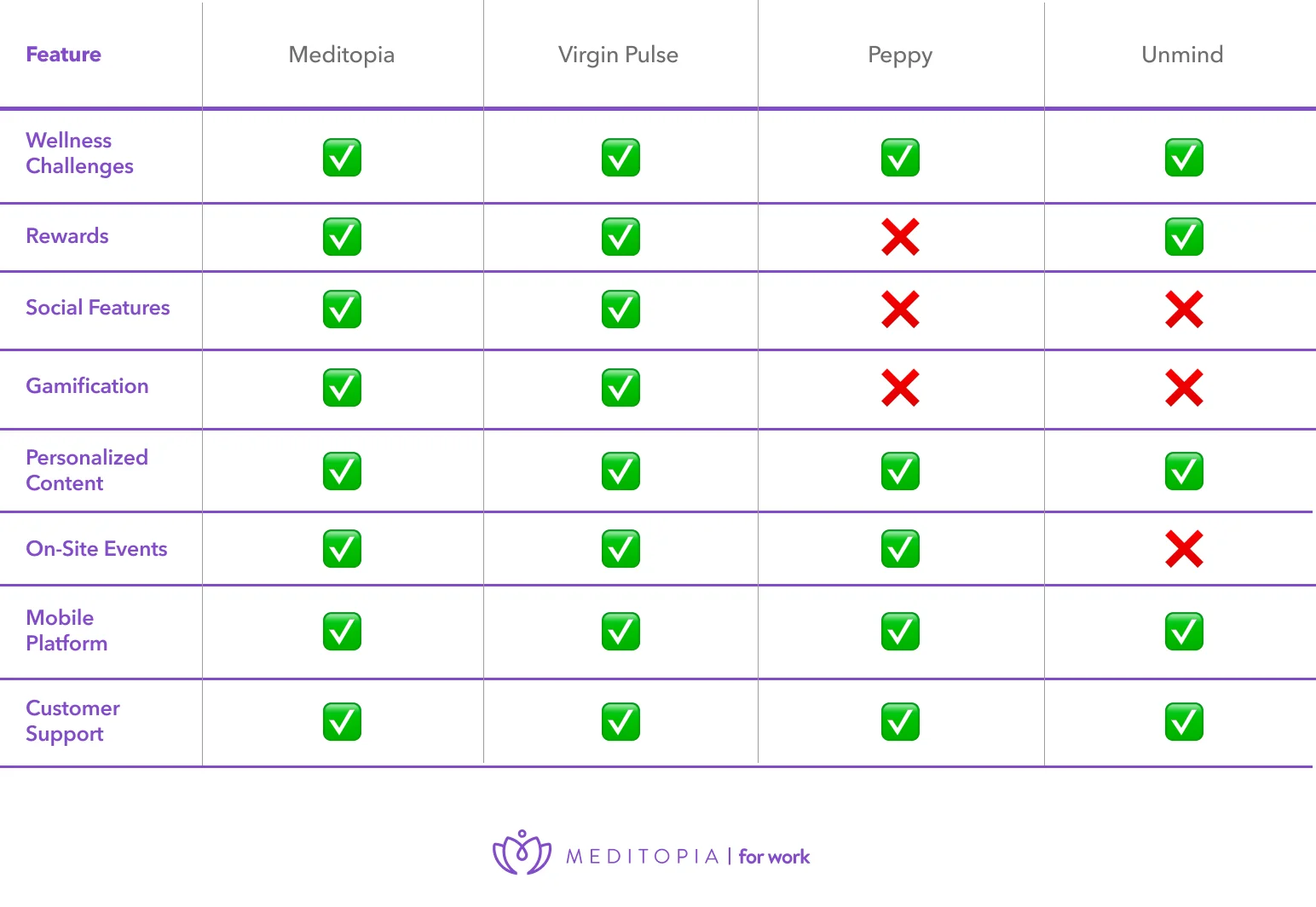
Industry Platforms: Commercial entities like Meditopia for Work and publications from organisations such as People Insight and Great Place to Work UK contribute to the discourse by offering insights into corporate wellness trends and the state of employee wellbeing across various sectors. These platforms often highlight the benefits of comprehensive wellbeing programmes, including mental, physical, and financial health support.
Conclusion and Implications
The UK's approach to workplace wellbeing is evolving, moving from a focus on individual interventions to a more holistic and organisation-centred strategy. The government is actively encouraging employer engagement through policy consultations and potential tax incentives for occupational health services. Research, however, suggests that the most profound impact on employee wellbeing comes from fundamental changes in how work is structured and managed, rather than solely from standalone programmes.
Read More: Sir Jim Ratcliffe Says Sorry for Immigration Words
Key Findings:
There is a government-backed push to increase employer investment in occupational health and broader wellbeing initiatives.
Research indicates that organisational practices (e.g., job design, management style, flexibility) are more influential than individual mental health programmes.
Employee expectations for wellbeing support are rising.
Implications for Employers: Businesses are advised to look beyond superficial perks and consider deeper, systemic changes to their work environment and management practices. This includes assessing workloads, promoting flexible working, and ensuring supportive leadership.
Next Steps: Continued evaluation of the effectiveness of government incentives and employer-led initiatives will be crucial. Further research into the causal links between specific organisational changes and sustained employee wellbeing is warranted. The success of future strategies will likely hinge on the genuine integration of wellbeing principles into the fabric of daily working life.
Sources
UK Government - Department for Work and Pensions (DWP):
"New plans to boost health in the workplace to keep people in work" (July 19, 2023): https://www.gov.uk/government/news/new-plans-to-boost-health-in-the-workplace-to-keep-people-in-work
"Employers join forces with government to tackle ill-health and keep Britain working" (November 5, 2025): https://www.gov.uk/government/news/employers-join-forces-with-government-to-tackle-ill-health-and-keep-britain-working
"Keep Britain Working: Final report" (November 5, 2025): https://www.gov.uk/government/publications/keep-britain-working-review-final-report/keep-britain-working-final-report
Wellbeing Research Centre, University of Oxford:
"“More ambition” needed to improve workplace wellbeing, research suggests" (Published in Industrial Relations Journal, date not specified but context suggests contemporary): https://wellbeing.hmc.ox.ac.uk/news/more-ambition-needed-to-improve-workplace-wellbeing/
Bristol City Council:
"Guide to workplace health and wellbeing for employers" (Date not specified but provides current resources): https://www.bristol.gov.uk/business/business-support-and-advice/guide-to-workplace-health-and-wellbeing-for-employers
NatWest Mentor:
"Developing employee wellbeing initiatives in the workplace" (May 5, 2025): https://www.natwestmentor.co.uk/news/developing-employee-wellbeing-initiatives-in-the-workplace
Meditopia for Work:
"9 Top Corporate Wellness Companies in the UK - Meditopia for Work" (May 22, 2025): https://meditopia.com/en/forwork/articles/corporate-wellness-companies-in-uk
People Insight:
"8 Employee wellbeing initiatives sweeter than free cake" (July 12, 2024): https://peopleinsight.co.uk/trends-in-employee-wellbeing/
"The ultimate employee wellbeing guide 2026" (November 26, 2025): https://peopleinsight.co.uk/employee-wellbeing-guide/
The Guardian (Recruiters):
"The ultimate guide to workplace wellbeing: strategies, tips and insights for a healthier work environment" (April 10, 2025): https://recruiters.theguardian.com/advice/guide-to-workplace-wellbeing
JLL:
"How companies are bringing a buzz back to office working" (April 28, 2025): https://www.jll.com/en-uk/insights/how-companies-are-bringing-a-buzz-back-to-office-working
New Scientist:
"Workplace well-being initiatives don't boost employee mental health" (January 9, 2024): https://www.newscientist.com/article/2411569-workplace-well-being-initiatives-dont-boost-employee-mental-health/
PayFit:
"What are corporate wellbeing programmes for UK employers?" (August 12, 2024): https://payfit.com/blog/wellbeing-programs-for-employees/
"The Importance of Wellbeing in the UK Workplace" (November 13, 2025): https://payfit.com/blog/the-importance-of-wellbeing-at-work/
Great Place To Work UK:
"Workplace Wellbeing Report 2024" (Date of report is 2024, publication date of the summary not specified): https://uk.greatplacetowork.co.uk/workplace-wellbeing-report
Boost Wellbeing:
"Boost Wellbeing - Improve Employee Productivity & Resilience" (October 26, 2023): https://boostwellbeing.co.uk/
Read More: UK Economy Grows Very Slowly at End of 2025