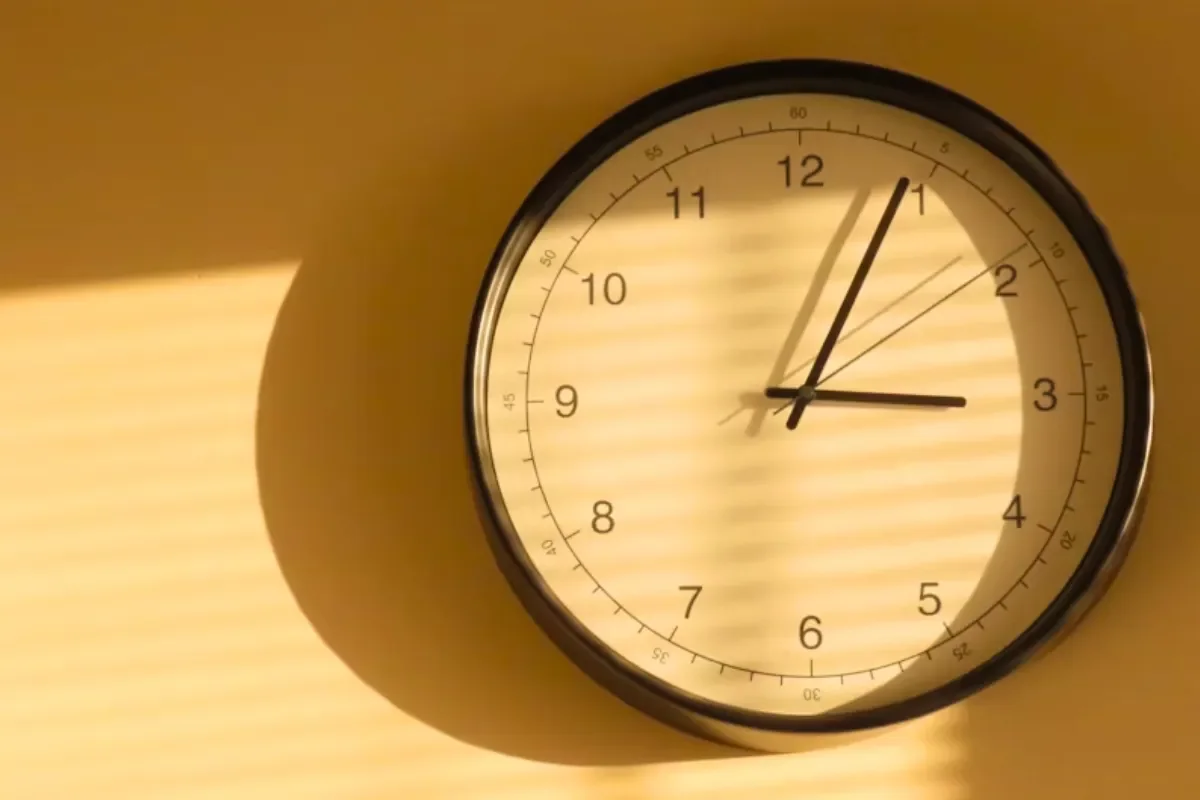
The Temporal Shift Disrupts Established Rhythms
Clocks are poised to advance, effectively erasing an hour from the collective sleep schedule, a shift that experts contend carries tangible societal repercussions. This annual alteration, colloquially known as "spring forward," sees timepieces jump from 2:00 AM to 3:00 AM, initiating a period where daylight extends into the evening at the expense of morning light. While the exact implementation dates may vary, the underlying principle remains constant: a deliberate manipulation of the clock to align with perceived daylight availability. This maneuver, observed in numerous regions, including parts of the United States and the United Kingdom, signifies a recurring, if sometimes jarring, interruption to established diurnal patterns.

Health and Function Under Scrutiny
"The spring time change leads to society-wide sleep deprivation."— Jennifer Martin, former president of the American Academy of Sleep Medicine
The seemingly minor adjustment of a single hour is flagged by health authorities as a significant disruptor. Health experts, including prominent figures from sleep medicine, point to this shift as a catalyst for widespread sleep deprivation, potentially impacting both individual well-being and public safety. The ensuing grogginess, particularly on the Monday following the change, has been cited as a concern, prompting advice for increased caution, especially for those operating vehicles. Preparatory measures, such as incrementally adjusting sleep schedules in the days preceding the change, are often suggested as a means to mitigate these effects.
Read More: FLDS Cult Leader Warren Jeffs Continues Influence Despite Prison Sentence

A Lingering Tradition's Mechanics
The practice, often debated and sometimes referred to with variations in terminology – 'daylight saving time' being the more precise iteration over 'daylight savings time' – is a recurring fixture in many calendars. In the United States, the transition typically commences in early March, while in the United Kingdom, the change aligns with the final Sunday of March, ushering in 'British Summer Time' (BST). This period of altered time persists until late October, when clocks are again adjusted, this time reverting to standard time, such as 'Greenwich Mean Time' (GMT). The rationale, at its core, involves extending daylight into the evening hours, a tradition rooted in optimizing for daylight utilization. Remembering the directional shift often relies on mnemonic devices, such as associating the "spring forward" with bringing out seasonal furnishings, while "fall back" corresponds with storing them away.

Divergent Observances and Persistent Debate
While the clocks march forward in unison across many locales, the adherence to this temporal adjustment is not universal. Certain states within the U.S., for instance, opt out of the biannual clock changes, creating pockets of temporal divergence. This ongoing discussion around the necessity and impact of daylight saving time continues to fuel debates about its potential abolition, with arguments often weighing the perceived benefits of extended evening daylight against the documented disruptions to sleep and circadian rhythms. The American Academy of Sleep Medicine has previously issued statements highlighting the detrimental effects of these time shifts.