


Conservatives are signalling a significant overhaul of household benefit cap rules, aiming to restrict automatic exemptions, particularly for those receiving disability benefits like Personal Independence Payment (PIP). The proposed changes seek to ensure that if any adult in a household can work, they must be engaged in at least 16 hours of employment per week to avoid the overall benefit cap. This represents a departure from current regulations where receiving certain benefits, such as PIP, automatically exempts a household from the cap, irrespective of other adults' employment status.

The party suggests these adjustments could yield substantial savings, with figures in the vicinity of £1 billion annually. This move is framed as a measure to promote fairness, aligning the choices of those receiving welfare with those in employment. The current cap affects a relatively small number of households, but the proposed changes could expand its reach by altering the criteria for exemption.
Read More: West Bengal gives ₹3,000 monthly to 28 lakh women under new scheme
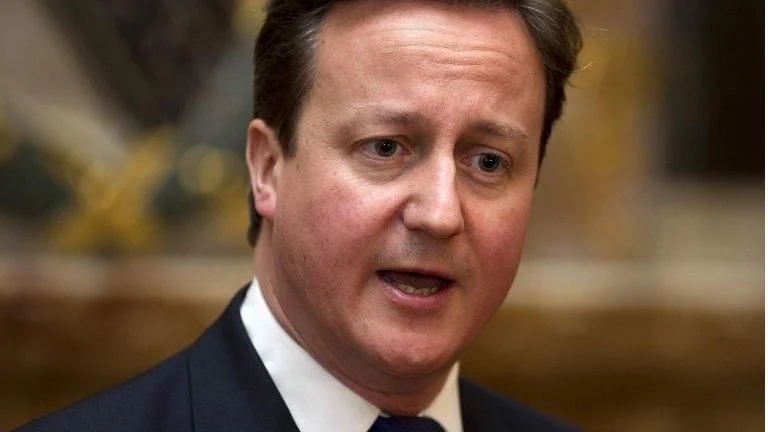
The proposals specifically target households where one adult receives an exempting benefit, such as PIP, even if other adults in the same household are not working. Under the revised rules, this exemption would no longer automatically lift the cap. If a household has one adult capable of working, that individual would still need to meet the 16-hour work requirement. For couples where both can work, both would be required to work at least 16 hours a week.

Further aspects of the Conservative agenda in relation to welfare include toughening benefit sanction rules, accelerating the rollout of Universal Credit, and increasing efforts to combat benefit fraud. There are also plans to reform disability benefits, aiming to target support towards those deemed most in need. This includes a review of exemptions for milder mental health conditions like anxiety and requiring formal medical diagnoses for sickness or disability benefit claims. The party also indicated a desire to restrict access to social housing and benefits to UK nationals only.
Read More: Tess Daly wears wedding ring in London after split from Vernon Kay

In parallel, the Tories are considering changes to child benefit taxation, proposing to double the threshold at which payments begin to be taxed to £120,000. This would allow families to receive some child benefit up to an income of £160,000, a substantial increase from the current £60,000 to £80,000 tapering range.
A separate, but related, policy being championed is the reintroduction of the two-child benefit cap. Savings generated from this measure are earmarked for increased defence spending, a move positioned as a response to geopolitical instability. This contrasts with Labour's stated intention to scrap the two-child cap, a policy the Conservatives argue would further inflate welfare spending.
These proposed welfare reforms are occurring within a broader political landscape where debates around public spending, taxation, and social support are prominent. The Conservatives appear to be seeking to position themselves as fiscally responsible while also addressing concerns about work incentives and the sustainability of the welfare system. The effectiveness and public reception of these measures, particularly concerning the impact on individuals with disabilities and low-income families, are subjects that will likely face considerable scrutiny.
Read More: UK Benefit Cap Changes: PIP Exemptions Removed for Workers





/newsfirstprime/media/media_files/2025/09/28/siddaramaiah-2025-09-28-16-24-38.jpg)
