Britain has barred an anti-Islam influencer, known for inflammatory rhetoric and acts like burning the Quran, from entering the country. The decision, reportedly influenced by Home Secretary Shabana Mahmood, comes after an invitation for the influencer to speak at a Tommy Robinson rally.

The influencer, identified in one report as Ms. Gomez, was excluded on the grounds that her presence would be "not conducive to the public good." This action aligns with a broader stance that "people who propagate hate speech and division should not be given free entry to the United Kingdom," according to the Muslim Council of Britain. The influencer's past actions include setting fire to pro-LGBTQ+ books and making disparaging remarks about Muslims on social media, framing America as a "Christian nation" and suggesting Muslims should relocate to Muslim-majority countries.
Read More: Deportees trapped in Venezuela earthquake after June 24 flight
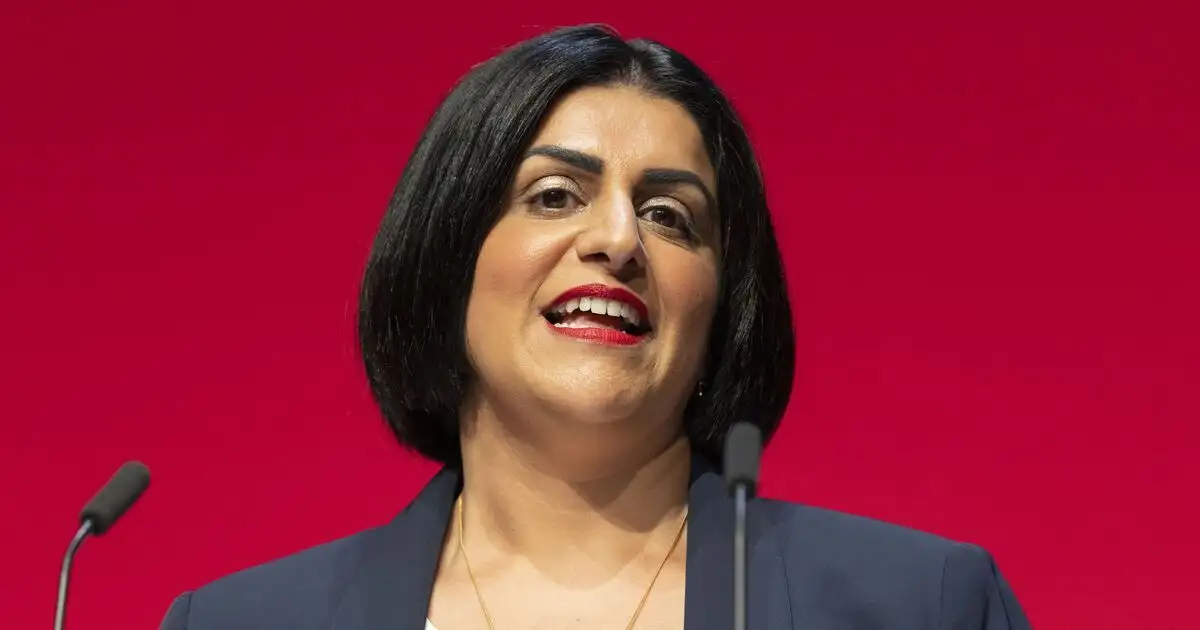
Home Secretary's Role and Background
The intervention by Shabana Mahmood, the current UK Home Secretary, places her at the center of this border control decision. Mahmood, a Pakistani-origin Labour MP, has herself faced scrutiny and backlash due to her Muslim identity since her appointment. Critics from far-right circles have emphasized her background, particularly as she oversees migration and border enforcement policies. For supporters, her position is seen as a step towards a more inclusive political system, though her performance in the role is being closely watched.
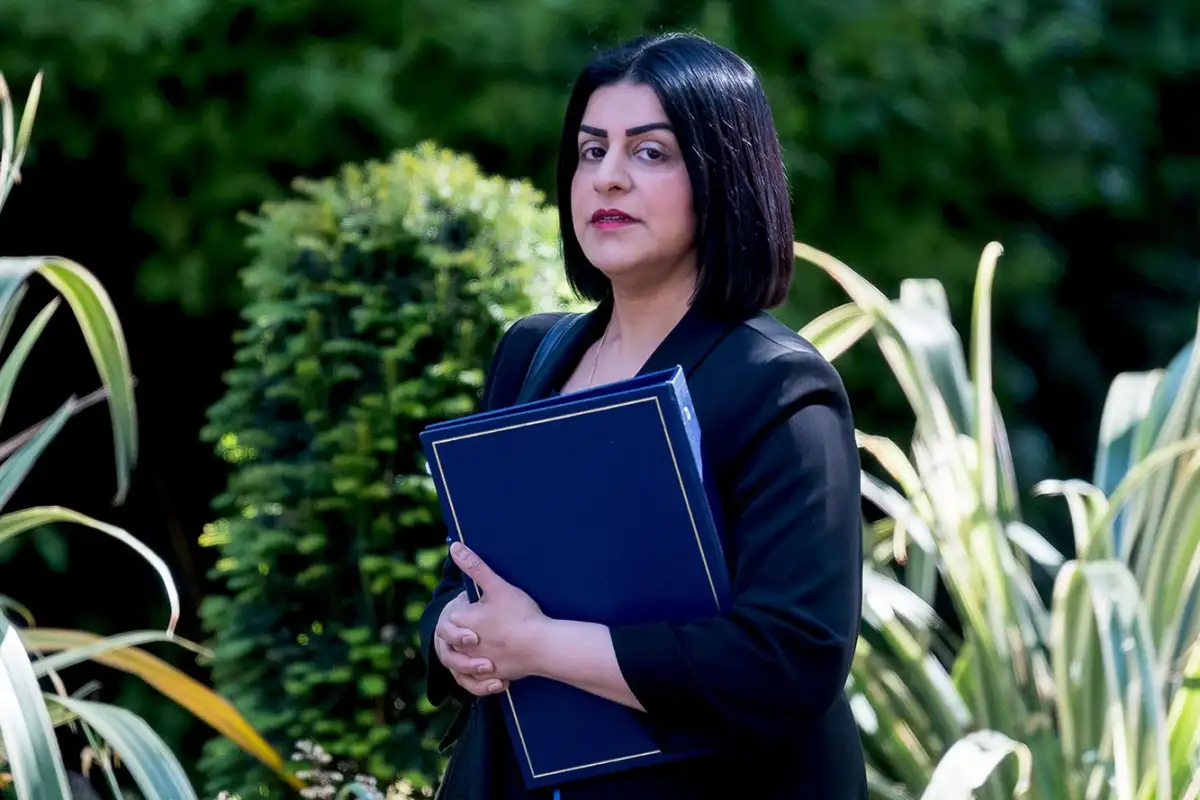
This appointment occurred during a period of significant challenges for the UK government, including managing record Channel crossings and asylum hotel backlogs. Mahmood herself has acknowledged that the Home Office is "not fully fit for purpose" in addressing the nation's migration crisis, noting that many individuals have reported issues with the department's functioning.
Read More: Taiwan Holds Nantou County Drills to Prepare for State Collapse

Online Discourse and Societal Impact
The incident occurs against a backdrop of increasingly polarized online discourse. Amnesty International has highlighted how platform design choices on X (formerly Twitter) have created an environment ripe for "inflammatory, racist narratives targeting Muslims and migrants." This analysis followed a surge in such content after a tragic event in Southport. The platform's algorithmic tendencies towards "contentious engagement over safety" have been identified as a contributing factor to the spread of harmful content and subsequent racist violence against minority communities.
The wider context suggests a trend where "visible identity" is prioritized over "civic contribution" in British political discourse, with American cultural conflicts now readily imported and influencing domestic conversations. Mahmood's own past statements, including her characterization of Kashmir as "India-occupied" and participation in protests against India's Article 370 revocation, have also resurfaced, adding another layer to the political dynamics surrounding her role.
Read More: New USCIS Case Status Tools Protect User Privacy on 7 April 2026
Broader Patterns of Exclusion and Rhetoric
Reports indicate that discussions surrounding Mahmood's appointment have involved notions of "English white nationalism" and anxieties tied to migration and Britain's multicultural identity. Concurrently, there are instances of other influencers facing entry bans for their rhetoric. One report mentioned a Pakistani influencer being denied entry due to "antisemitic remarks and calls for jihad," underscoring the UK's actions against various forms of extremist speech. The complexities of free expression versus the promotion of hatred and extremism remain a central point of contention.