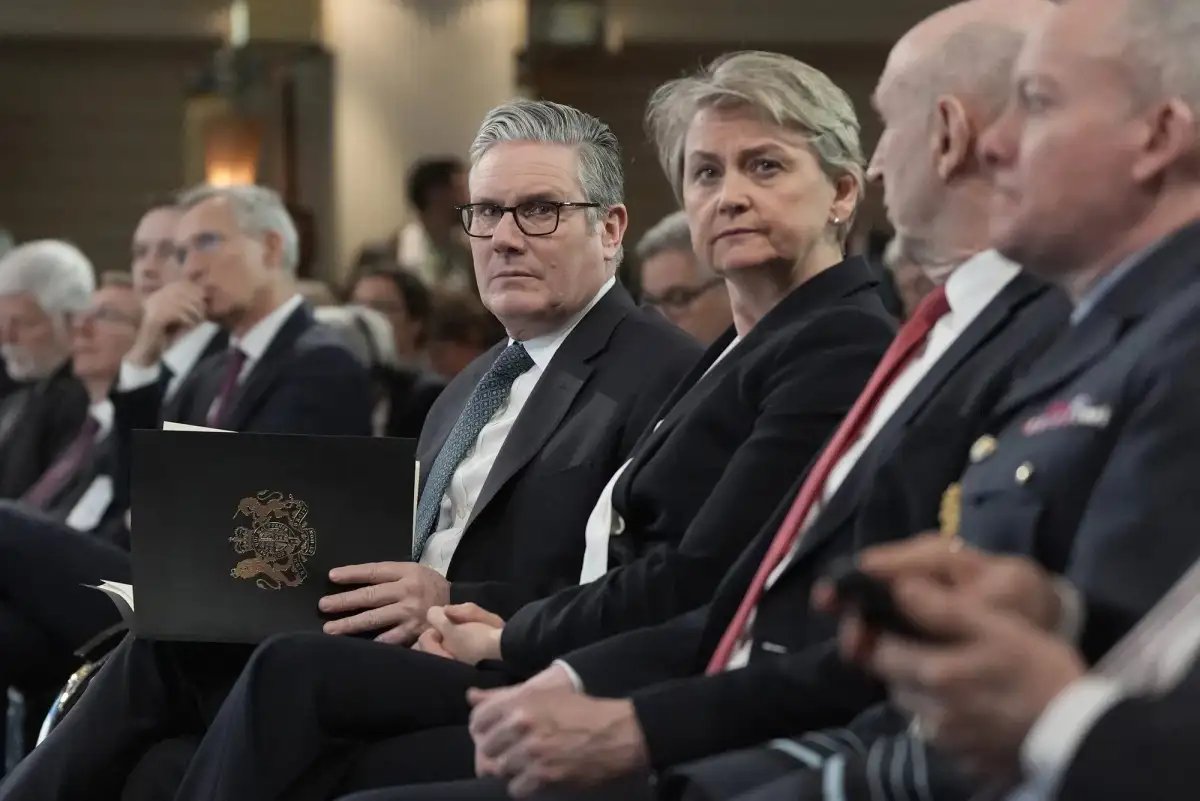
Prime Minister Keir Starmer's administration faces a significant blow as revelations surface regarding the appointment of Peter Mandelson as ambassador to Washington, despite the individual failing security vetting. The controversy has led to the dismissal of a senior civil servant and raised pointed questions about transparency and accountability within government processes.

== Security Vetting Overruled, Senior Official Sacked The core of the scandal centers on the United Kingdom Security Vetting (UKSV) service's explicit recommendation not to approve Mandelson's clearance. Despite this, the Foreign Office overruled the decision. This move has led to the dismissal of Olly Robbins, the second permanent secretary at the Foreign, Commonwealth and Development Office (FCDO)==, with the Prime Minister and Foreign Secretary reportedly losing confidence in him. Robbins is understood to have been aware of Mandelson's vetting failure earlier in the week.
Read More: Top Foreign Office Chief Olly Robbins Fired After Mandelson Vetting Issue

Ministerial Ignorance and Accountability Under FireStarmer himself has stated that he was not informed of the vetting failure until this week, a claim met with skepticism by political opponents. Senior Minister Darren Jones initially suggested there was no obligation to inform ministers about such decisions, a stance he has since revised, indicating changes to the rules. Starmer's office insists neither the Prime Minister nor any minister in his office was aware of the vetting failure, while Downing Street has largely blamed the Foreign Office. This creates a fractured narrative, with Starmer's political adversaries questioning how such a significant appointment could proceed without the Prime Minister's full knowledge and demanding his resignation.
Public Confrontation and Internal Divisions
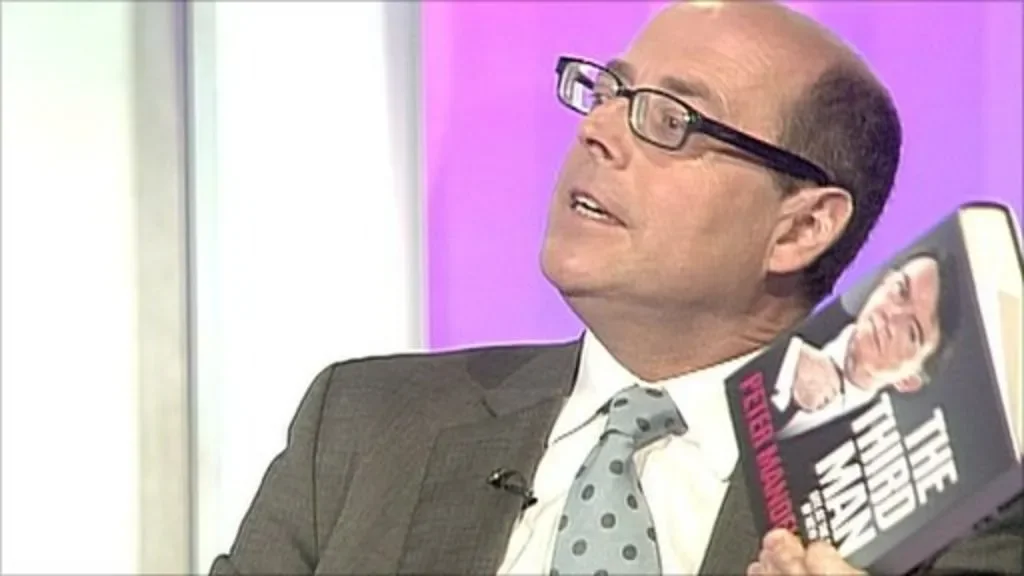
Journalist Nick Robinson has been particularly critical, questioning ministerial assurances with pointed interviews. In one exchange, Robinson pressed Minister Jacqui Smith on her knowledge of Starmer's potential resignation, highlighting Smith's admission of not speaking directly to Starmer about the matter, leading Robinson to conclude, "So you don't know and I don't know!" This underscores the sense of confusion and lack of clear communication surrounding the events.
Read More: Senedd Election: Fake Manifesto and 20mph Limit Claims Spread

The government's narrative is further complicated by conflicting accounts and internal pressures. While Starmer insists he did not mislead Parliament and has no plans to resign, some within his own party are reportedly questioning his handling of the crisis. The controversy is particularly ill-timed, occurring as postal ballots for local elections are being distributed.
Background and Wider Implications
The Mandelson vetting issue has been described as the "biggest crisis for the diplomatic service in decades" by a former Foreign Office chief. The scandal involves questions of judgment, process, and who within the machinery of government ultimately made the decision to proceed with Mandelson's appointment against the vetting service's advice. Some reports suggest that Sir Chris Wormald, the then cabinet secretary, was also present during discussions where Mandelson's vetting issues were reportedly discussed. The implications extend beyond immediate political fallout, raising concerns about the integrity of diplomatic appointments and the security vetting procedures for high-profile roles.
Read More: UK Government Accused of Blaming Robbins for Mandelson Vetting Failures