A former senior official has stated there was no established avenue to formally convey concerns regarding Lord Mandelson's appointment as the UK's ambassador to the US, highlighting what is described as a "dismissive attitude" from Downing Street towards the vetting process. Evidence presented to MPs suggests that the decision regarding Mandelson's appointment was largely predetermined, with one official stating "the die was cast" from the moment of its announcement. This points to a process where potential issues or the necessity for rigorous vetting may have been sidelined in favour of a pre-existing decision.

Sir Philip Barton, appearing before the Foreign Affairs Committee, revealed he was informed of the decision to appoint Lord Mandelson on December 15, 2024, several days before the public announcement. His testimony suggested a lack of a contingency plan should Mandelson have failed the necessary security checks. This account could carry significant weight as the Prime Minister faces a vote in the House of Commons concerning his own potential referral to a 'sleaze committee'. Further complicating matters, initial assessments by Cabinet Office officials reportedly questioned the need for high-level security clearance for the role.
Read More: Pakistan's Iran peace role questioned by US lawmakers

Conflicting Accounts of Pressure and Process
Testimony from former officials indicates a discrepancy in the understanding of pressure applied to expedite the appointment. While some civil servants, like Sir Olly Robbins, formerly the top civil servant at the Foreign Office, reported feeling "constant pressure" from Downing Street to approve Mandelson's appointment, including suggestions of bypassing standard vetting procedures, the Prime Minister has denied such undue influence. Robbins, who was subsequently dismissed, stated he was not made aware of a recommendation against granting Mandelson security clearance and did not inform the Prime Minister or Foreign Secretary at the time.
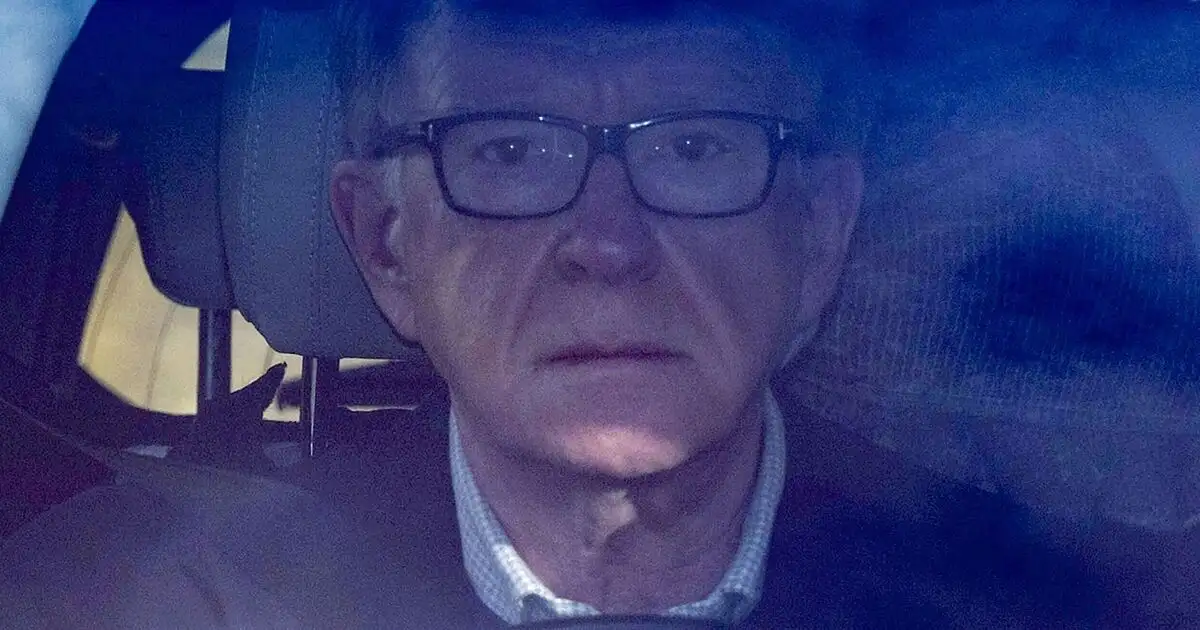
Sir Philip Barton stated: "I was first told about the decision to appoint Lord Mandelson on 15 December, 2024 - days before the Labour peer was announced."
Robbins stated he was not made aware of the tick-box form recommending that Mandelson not be granted clearance.
Another senior civil servant noted that while they were aware of pressure to complete the vetting process rapidly, it did not influence their professional judgment. This official also revealed that the Foreign Office security team had initiated the request for advice from UKSV and the Cabinet Office regarding Mandelson's vetting.
Read More: Starmer Faces MPs Over Mandelson Appointment

Vetting Details and Downstream Repercussions
Cat Little, the most senior civil servant at the Cabinet Office, provided evidence regarding the release of documents related to the appointment. She could not comment on the specific contents of Mandelson's security vetting file but confirmed that her department had advised that Mandelson should undergo vetting. The process itself has drawn criticism, with reports suggesting that Mandelson's security vetting file might have contained information beyond the due diligence report.
The controversy has led to scrutiny of Keir Starmer's role in the appointment, with his former chief of staff, Morgan McSweeney, having also given evidence to MPs. McSweeney reportedly apologised for his part, acknowledging that Starmer "relied on my advice and I got it wrong." The Prime Minister himself has stated that he should have been informed of the vetting team's recommendation at the time and that, in his opinion, there was no reason the overall vetting recommendation could not have been shared with him.
Read More: King Charles III tells US Congress UK-US bond is strong
Lord Mandelson has since stated he regretted ever having known Jeffrey Epstein.
The opposition has largely dismissed calls for a new investigation into Starmer's statements about the appointment as a "political stunt," ahead of a potential vote in the House of Commons.
Background Context
Lord Mandelson, a Labour peer, was appointed UK ambassador to the US. He was later suspended from the parliamentary party following revelations about his associations with the convicted sex offender Jeffrey Epstein. The circumstances surrounding his vetting and appointment have become a focal point for political debate, with Opposition parties questioning the thoroughness and transparency of the process. The Foreign Affairs Committee has been conducting an inquiry into the matter, with several high-ranking officials and former officials providing testimony. The appointment was initially welcomed by some, who cited Mandelson's political and business experience as beneficial.