The Pulse of the Living Room
As June unfolds, a call goes out to the everyday viewer: does your television actually deliver on its promises? A survey, open for the entirety of this month, seeks to collect unfiltered opinions on whether the sets gracing our homes are worth the fanfare. Forget abstract specifications; this initiative pivots to the tangible, the lived experience of picture quality in challenging scenes and the simple matter of ease of use. It’s a direct appeal to those who own and operate these devices daily, a move away from the purely technical.
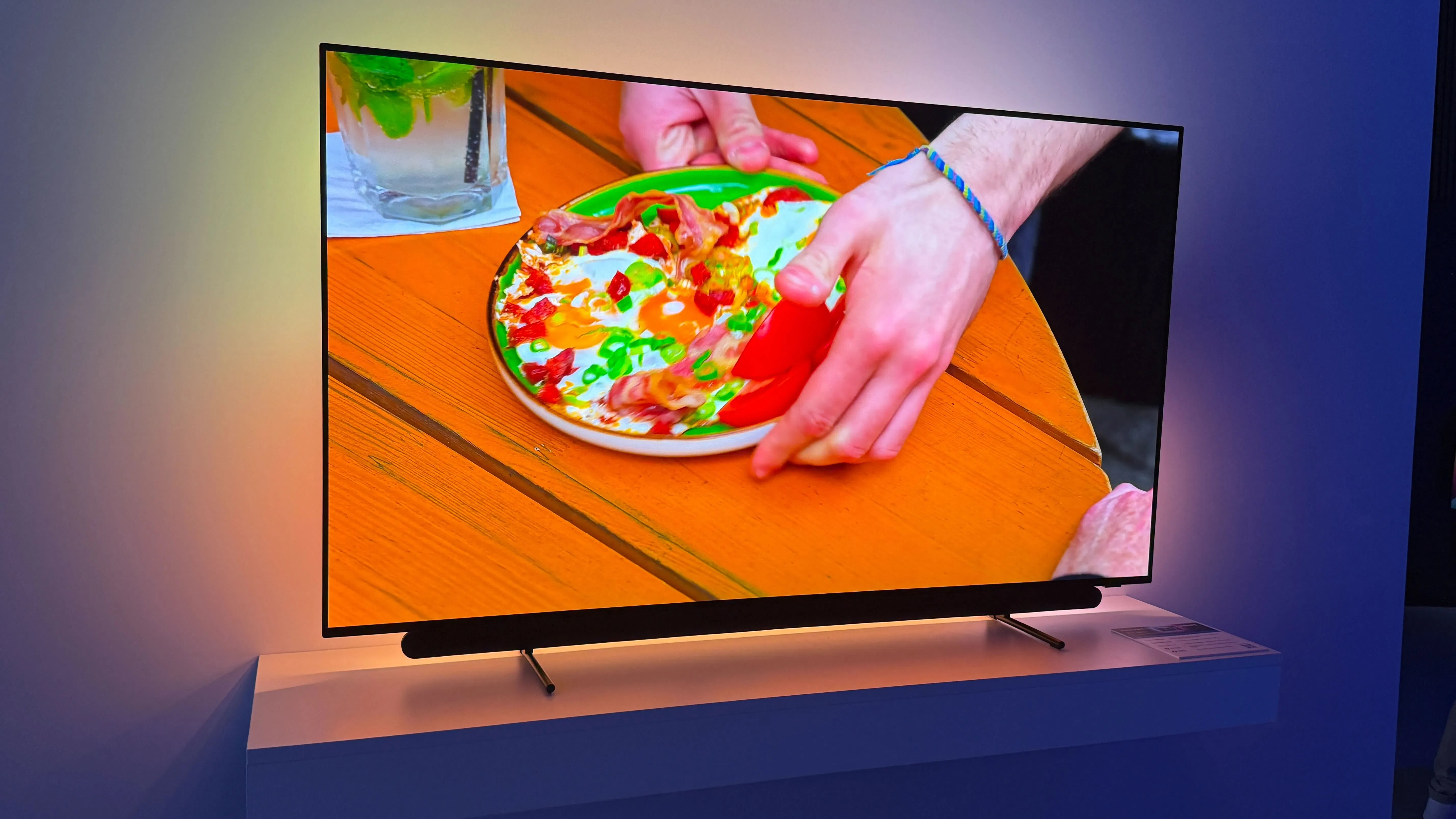
This survey seeks to bridge the gap between marketing hype and user satisfaction, focusing on practical performance aspects like picture clarity in demanding scenarios and intuitive operation.
The Show Floor's Shiny Promises
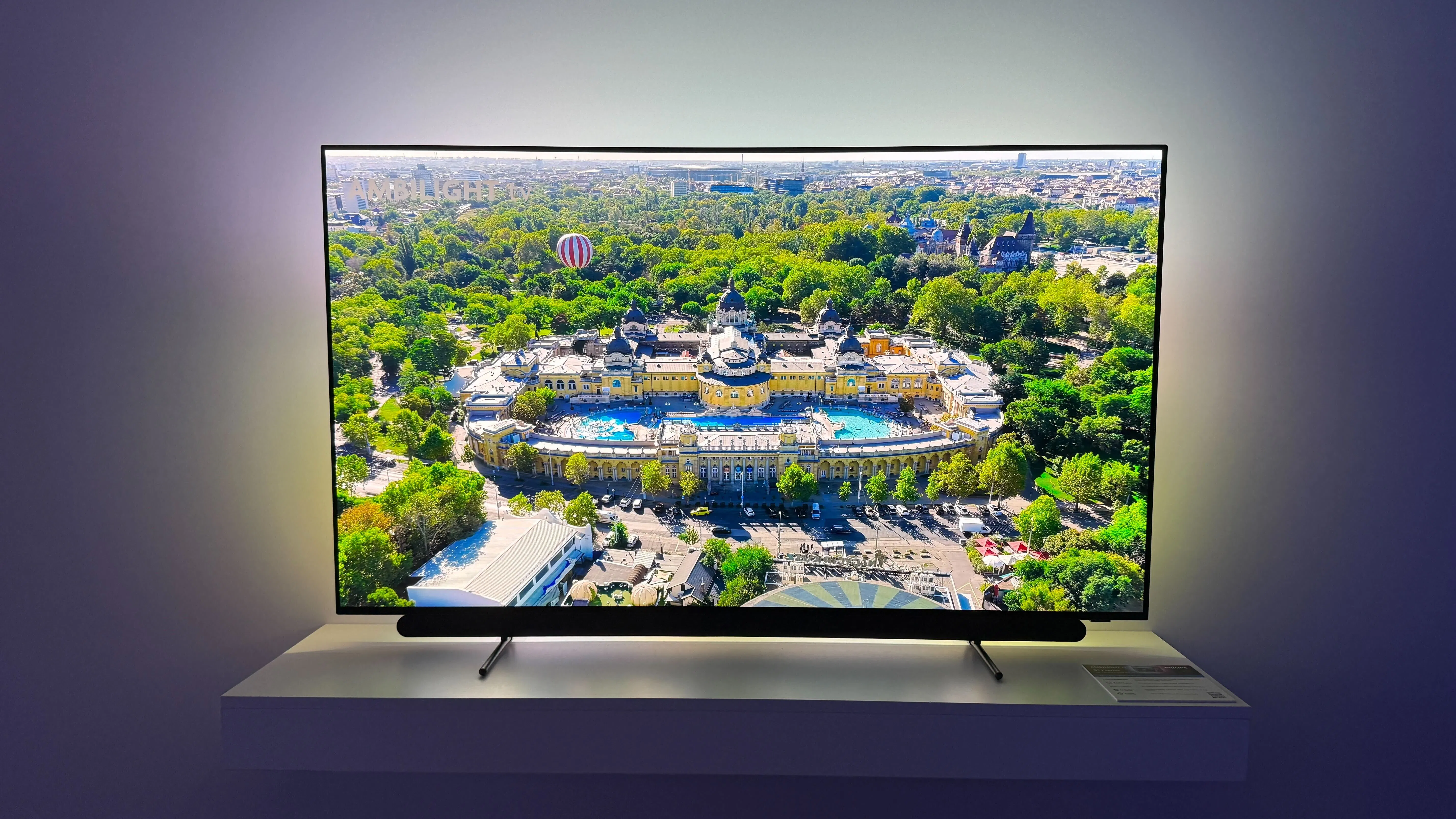
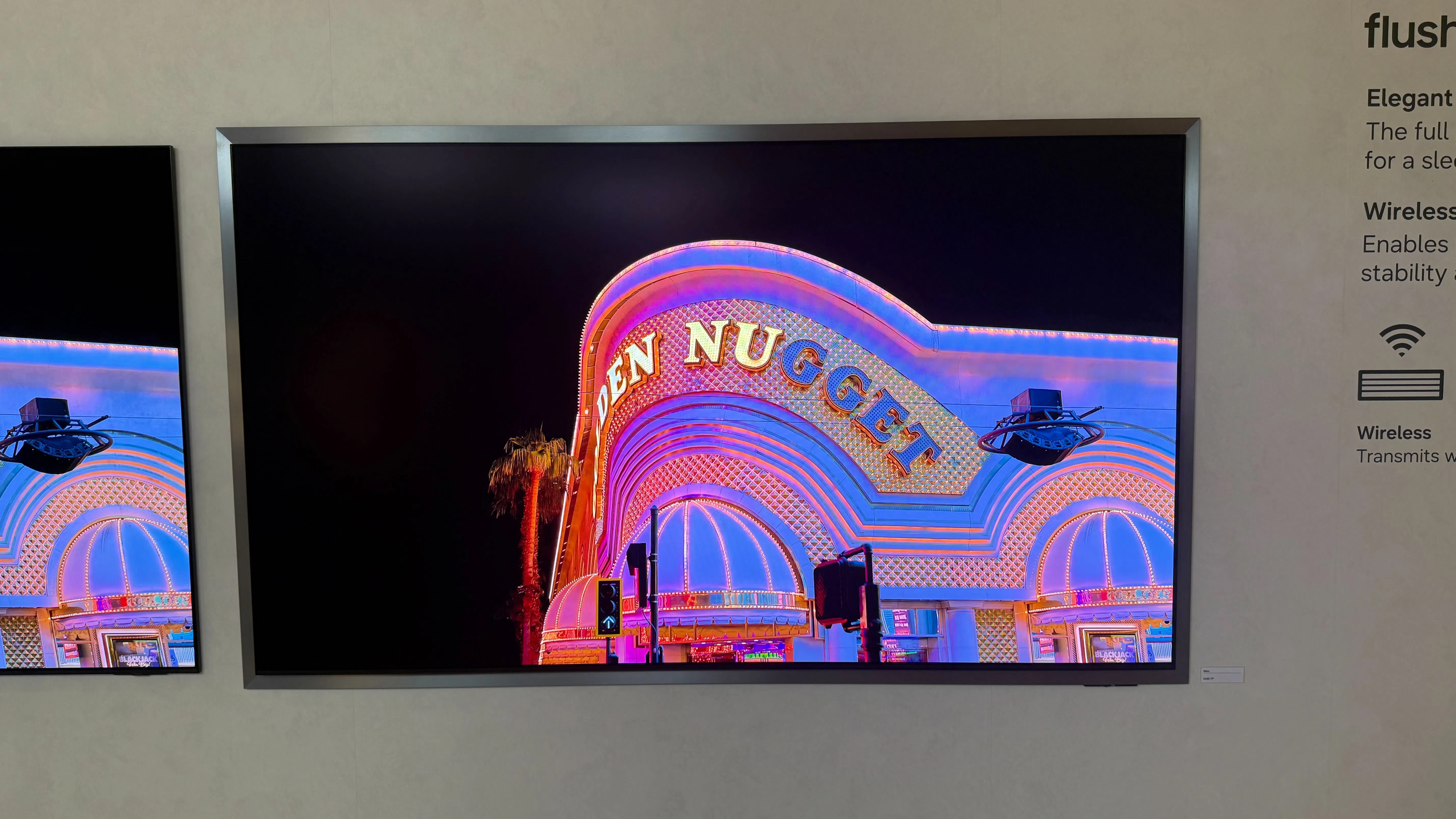
Earlier this year, the Consumer Electronics Show (CES) in January showcased a landscape of nascent television technology. LG and Samsung prominently displayed their latest flagship OLED models. Notably, LG's W6 Wallpaper OLED TV garnered attention for its extreme thinness and wireless design, while another contender, the R95H, boasted significant brightness enhancements via its "Brightness Booster" technology, specifically highlighted for its impact on High Dynamic Range (HDR) content and gaming.
Read More: Chrome mimeHandler API lets extensions handle file types
Emerging Technologies and Industry Buzz
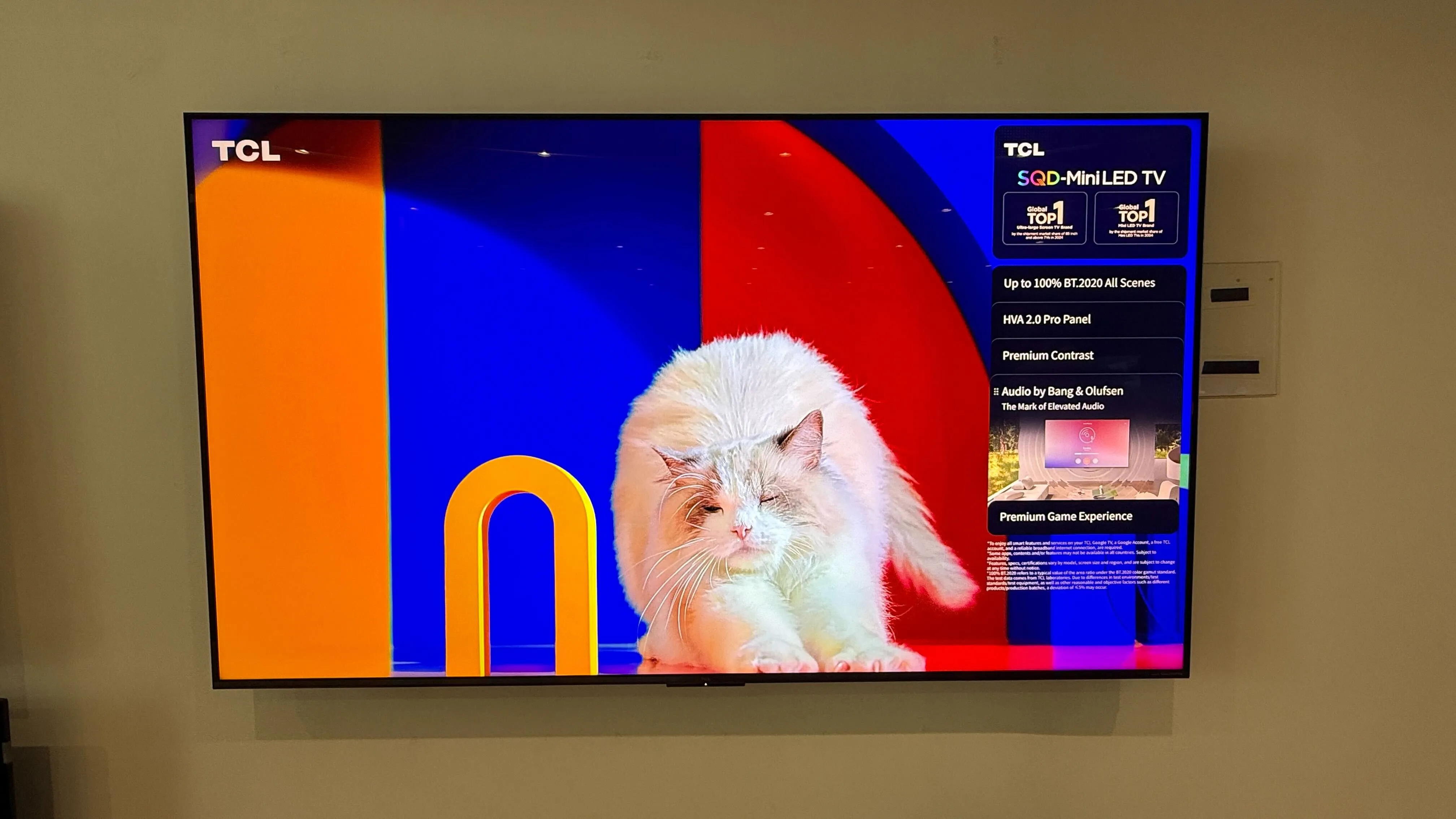
The technical discourse surrounding television advancements this year points to key areas of innovation. OLED technology continues its evolution, with discussions around new panel types like the "OLED SE" that remove polarizers to potentially lower costs. Meanwhile, the concept of 'RGB Mini LED' has been flagged as a significant development for 2026. The landscape is a mix of established players like Sony, Panasonic, Philips, Hisense, and TCL, all introducing their new ranges, alongside the continued refinement of OLED and LCD (often marketed as LED) technologies. Consumer Reports differentiates between these, explaining that OLED pixels generate their own light, while LCDs rely on LED backlights, and notes the existence of two OLED subtypes: WOLED and QD-OLED. Full-array backlights with local dimming are identified as features typically found in more expensive models.
Read More: TCL QM8L TV Features 6000 Nits Brightness and SQD Tech in April 2026
A Spectrum of Choices and Opinions
Reviews and recommendations from various outlets paint a fragmented picture of the current market. Resources like rtings.com offer extensive lists and comparison tools, covering a vast array of brands and specifications, from budget models to premium OLEDs, and across various screen sizes. Publications are releasing curated lists of top picks, with authors who have attended multiple industry events and reviewed specific models, such as the TCL C7L, Hisense UR8, and various LG C6 and Sony Bravia 3 II iterations.
Background
The television market in 2026 is characterized by a dual narrative: the ongoing refinement of display technologies, particularly OLED, and the consistent output of new models across a range of price points from numerous manufacturers. The conversation has moved beyond raw specifications to encompass real-world viewing experiences and user-friendliness, a shift reflected in the consumer-focused survey initiated this month. Technological buzzwords like 'RGB Mini LED' and advancements in OLED panel construction signal a competitive R&D environment, while established brands continue to vie for market share with incremental improvements and new feature sets.
Read More: BEREC Asks for Mobile Network API Ideas from Developers