A sweeping investigation spanning 76 countries has illuminated a striking correlation: individuals exhibiting greater degrees of trust, patience, altruism, and cooperation consistently report higher levels of happiness and life satisfaction. This broad survey, examining stable patterns in decision-making and social interaction, suggests that human well-being is a construct far more complex than mere material accumulation. The research, observing these behavioral preferences across diverse populations, found that stronger inclinations toward trust and cooperation were robustly linked to increased well-being and diminished worry.

The central finding is the persistent association between prosocial behavioral traits—particularly trust and patience—and elevated subjective well-being, irrespective of a nation's economic standing.
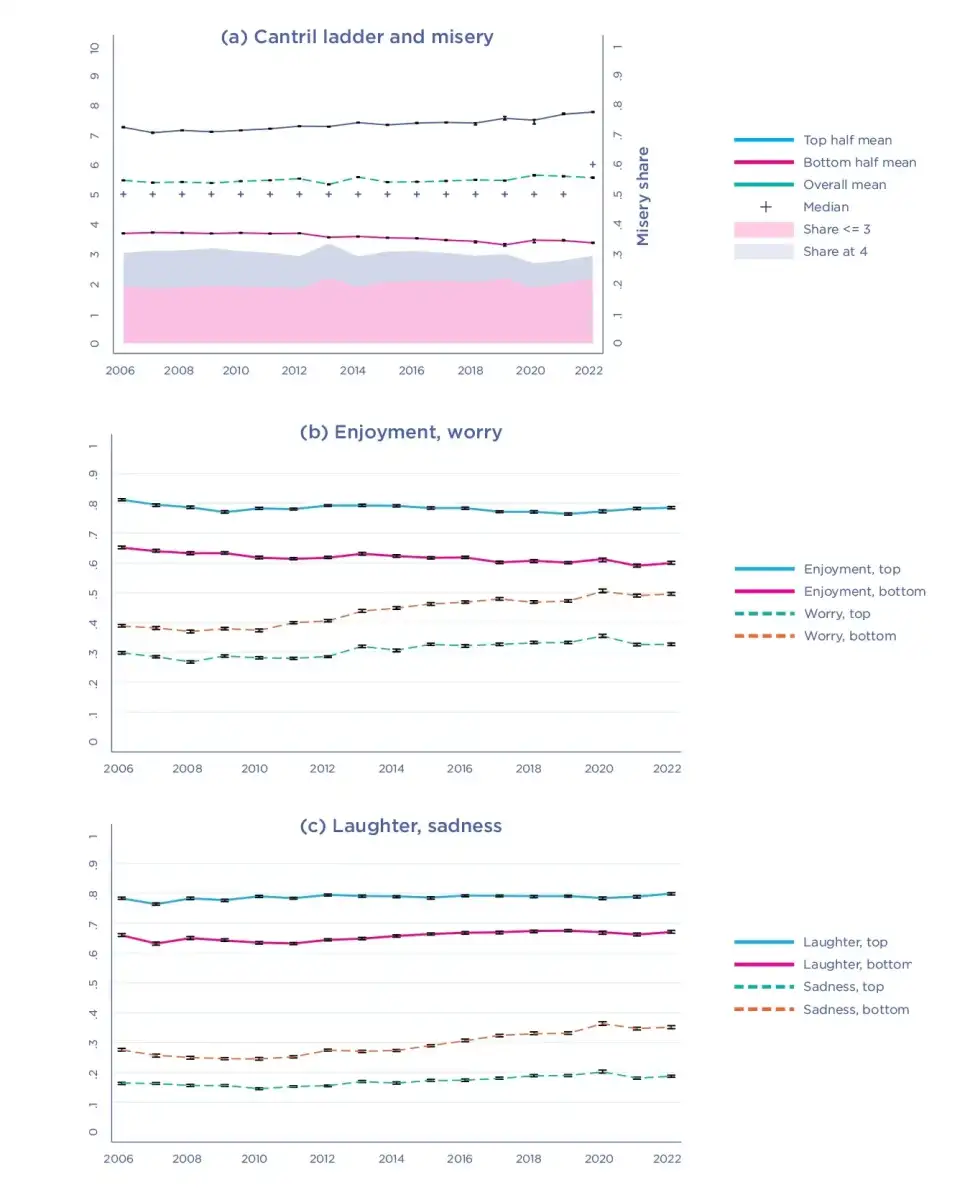
The analysis, drawing from a multitude of sources and published across the scientific discourse, underscores that the type of trust matters. Whether it is interpersonal trust—belief in the integrity of people known personally—or generalized trust, encompassing faith in strangers and society at large, all forms contribute to a happier disposition. Even trust in established institutions, such as governments and healthcare systems, plays a significant role in bolstering feelings of contentment.
Read More: Theology explains anxiety as lack of trust in God
A Reciprocal Dance Between Trust and Well-being
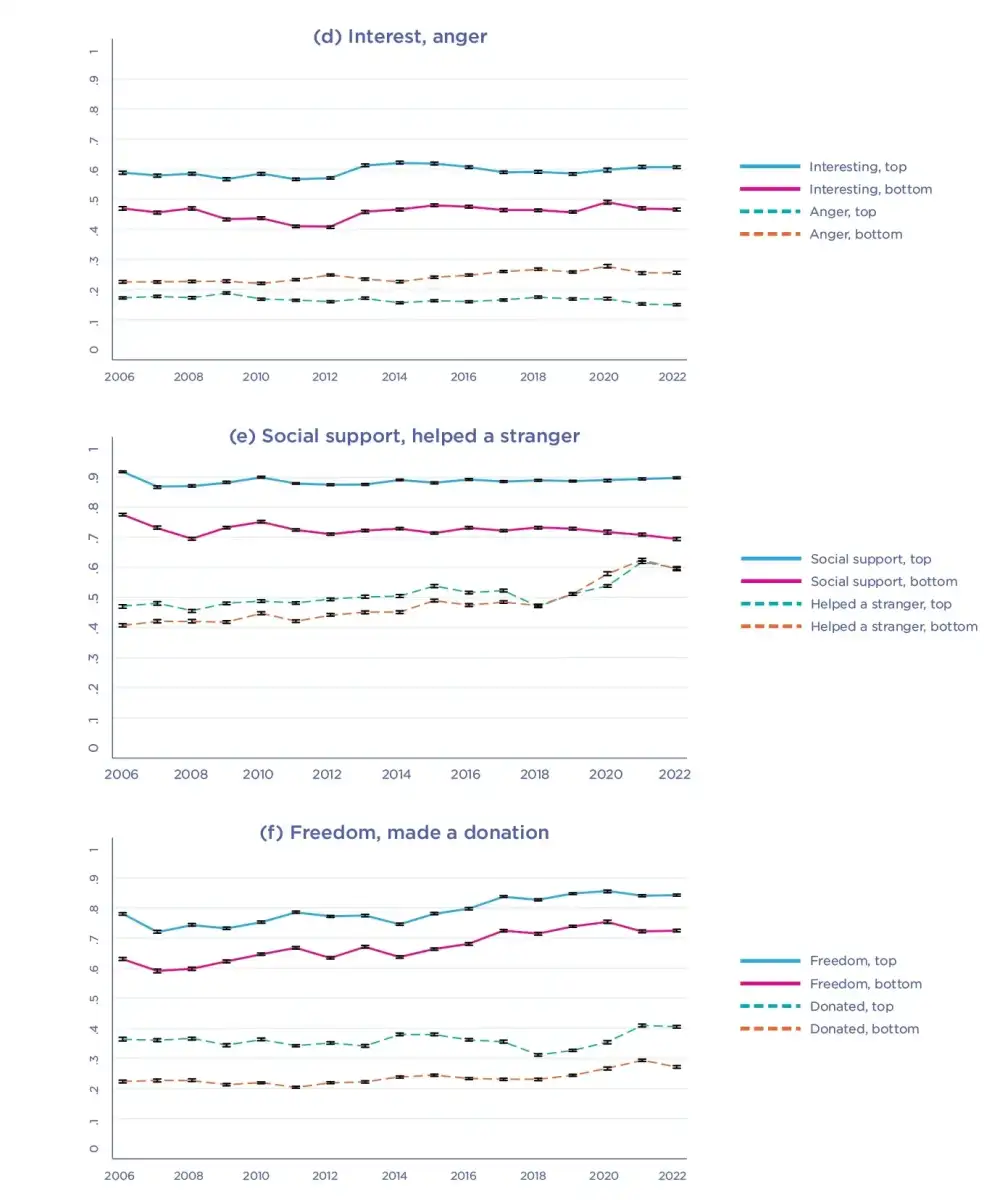
Researchers have identified a discernible pattern suggesting a two-way street between trust and happiness. The evidence points to a positive feedback loop: trusting others tends to make individuals happier, while those already experiencing greater happiness are, in turn, more inclined to trust others over time. This dynamic may offer a key to understanding why certain populations report higher levels of satisfaction. The effect, though described as "modest but consistent," demonstrates that heightened trust predicts enhanced future well-being, just as improved well-being fosters greater trust.
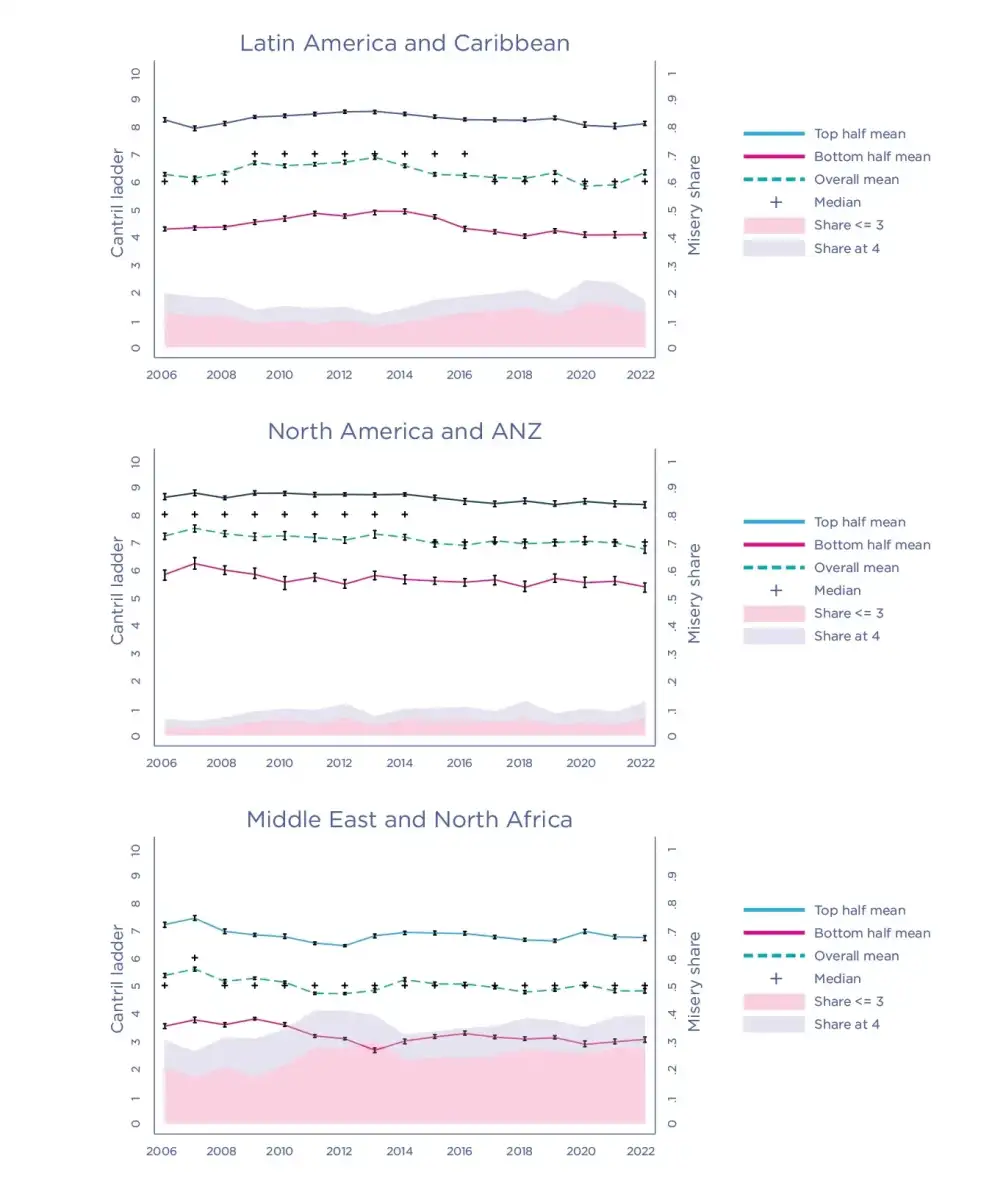
This intricate relationship appears to hold across different age demographics, though its impact varies. While the connection between trust and happiness was observed to be strongest in children, teenagers, and older adults, it showed weaker associations in young and middle-aged adults. For the elderly, trust re-enters the picture as a significant factor, albeit for reasons distinct from those impacting younger cohorts.
Read More: UN Panel Warns AI Risks Grow Faster Than Science and Rules
Beyond Economic Metrics
This extensive research challenges conventional notions that equate happiness solely with economic prosperity. The findings from the 'World Happiness Report 2025' also echo this sentiment, pushing for a broader understanding of well-being that looks beyond traditional markers like health and wealth. Specifically, the report highlighted that shared meals and mutual trust were identified as even more potent predictors of well-being than previously anticipated.
The study acknowledged a fundamental limitation: it cannot definitively establish causality. Whether trusting behavior directly cultivates happiness, or if happier individuals are naturally predisposed to trust and cooperation, remains an open question. Nevertheless, the consistent association across a global scale provides substantial ground for further investigation into the social and psychological underpinnings of human contentment.
Contextualizing Trust's Influence
The societal context in which individuals exist appears to profoundly shape this trust-happiness dynamic. National culture, for instance, has been identified as a crucial variable, with living in a high-trust country potentially amplifying the positive effects of trust on an individual's well-being. This observation suggests that the broader social fabric plays a vital role in mediating the individual experience of happiness. The research implicitly touches upon the importance of social capital, particularly in times of societal upheaval, as evidenced by studies examining its role during crises.
Read More: Why waiting for the right time stops personal growth on April 7 2026