Donald Trump Jr. and Eric Trump, co-founders of World Liberty Financial, have introduced a digital currency concept named USD1, positioning it as an improvement upon the existing U.S. dollar. This initiative emerges at a time when the family's financial dealings have faced scrutiny and traditional banking institutions have reportedly declined business with their enterprises. The brothers assert that their proposal addresses perceived shortcomings in the current financial system and is designed to strengthen the dollar's global standing in the digital age.
Family's Rationale for a Digital Dollar
The Trump family's public statements indicate a belief that the traditional U.S. dollar requires an upgrade to meet the demands of a rapidly evolving digital economy.
Critique of Traditional Banking: Donald Trump Jr. has publicly stated his view that the traditional banking system operates akin to a "Ponzi scheme." He specifically cited instances where he claims major banks, without apparent cause related to wrongdoing, de-banked conservative accounts, suggesting a politically motivated bias.
Perceived Systemic Flaws: The family's involvement in the cryptocurrency space, particularly through their company World Liberty Financial, suggests a conviction that current financial structures are inadequate or, in Donald Trump Jr.'s words, have been manipulated to the detriment of certain individuals and groups.
The "USD1" Proposal: World Liberty Financial presents USD1 as a direct response to these perceived issues. While specific technical details of USD1 are not extensively elaborated upon in the provided materials, it is framed as a more robust and modern alternative to the current U.S. dollar, capable of supporting digital economies and potentially reinforcing dollar hegemony.
Banking Industry Actions and Family Response
Reports indicate that the Trump family's businesses have encountered difficulties with the traditional banking sector, which they suggest has impacted their operations.
Read More: Barclays UK to Open New Branches and Bring Back Bank Managers in 2024
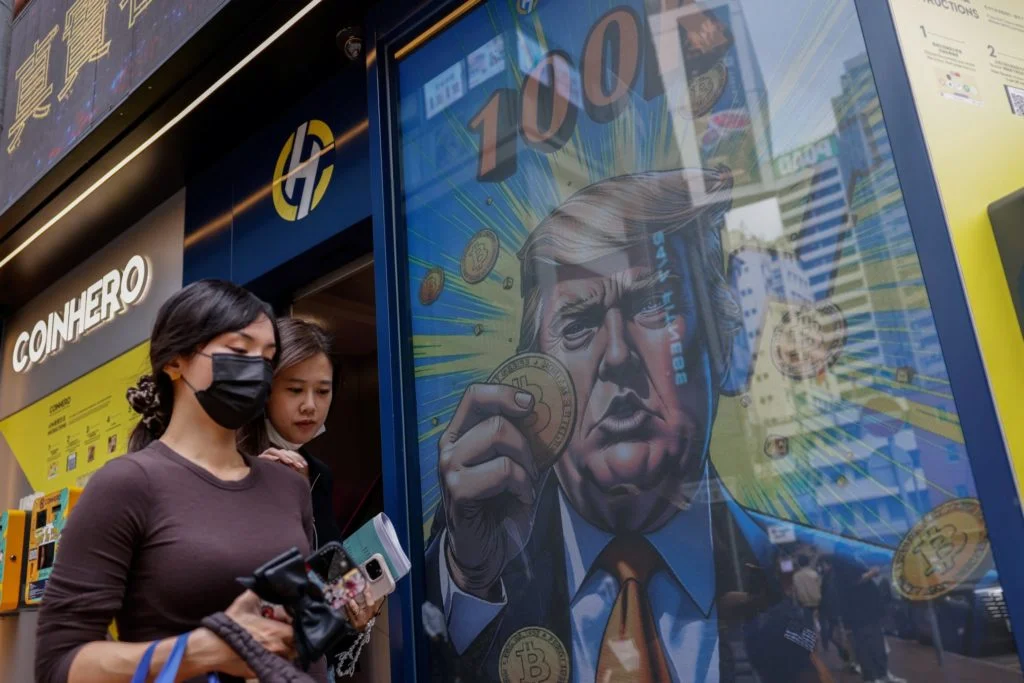
Declined Business: The banking industry's alleged refusal to engage with Trump family businesses is presented as a key catalyst for their pivot towards alternative financial solutions.
Self-Reliance: This alleged rejection, according to the family's narrative, compelled them to take "matters into their own hands" by developing their own financial innovations.
Timing of Announcement: The announcement and promotion of USD1 by Donald Trump Jr. and Eric Trump occurred at a crypto event they hosted, underscoring their commitment to and immersion in the digital asset space.
Economic Commentary and the Dollar's Value
The Trump family's foray into digital currency proposals coincides with broader discussions and economic analyses concerning the strength and future of the U.S. dollar.
"Weak Dollar" Defense: Notably, former President Donald Trump has previously defended a "weak dollar" policy, arguing that it can benefit citizens by making them "richer," despite potential counterarguments about national economic stability. This stance contrasts with the common economic view that a strong dollar is generally beneficial.
Economists' Concerns: Some economists have expressed concern that certain policies, potentially including trade or fiscal measures, could negatively impact the dollar's value. The timing of the Trump family's investment in cryptocurrency and their promotion of USD1 has drawn attention in light of these economic debates.
Regulatory Landscape: The involvement of former President Trump in discussions surrounding potential cryptocurrency regulation, while his family stands to benefit from the industry, has been highlighted by some observers, raising questions about potential conflicts of interest.
Expert Analysis
Economic analysts have offered varied perspectives on the U.S. dollar's current standing and the implications of digital currency proposals.
"The traditional banking system is a 'Ponzi scheme.' They created this monster when you had every big bank in the world, for doing nothing wrong, 'debank' Trump accounts and those of other conservatives, just based on the fact that we all wore a hat that said 'Make America Great Again.'" - Donald Trump Jr.
"Have you ever stopped to wonder if the trusty old U.S. dollar, the one we’ve relied on for centuries, might actually be showing its age in our fast-moving digital world?" - World Liberty Financial (via Article 2)
Harvard economist Kenneth Rogoff has been cited in discussions about the potential impact of Trump-related policies on the U.S. dollar, particularly as the former president's family invests in the cryptocurrency industry.
Analyst Thompson has stated that concerns over U.S. fiscal policy contribute to the dollar's weakness and has disputed claims of successful inflation control, noting ongoing price increases for consumers.
Conclusion and Future Considerations
The Trump family's proposal of USD1 represents a significant initiative within the digital finance landscape, directly linked to their stated grievances with traditional banking and their broader vision for the U.S. dollar's evolution. The concept is presented as a response to perceived systemic failures and a means to adapt the dollar for the digital era.
Core Proposition: The family advocates for a modernized digital dollar (USD1) as an improvement over the current U.S. currency, driven by experiences of being excluded from traditional banking services.
Economic Context: This push occurs against a backdrop of economic discussions regarding dollar strength, fiscal policy, and the growing influence of digital assets.
Unanswered Questions: While the family asserts USD1's benefits, detailed information regarding its operational mechanics, regulatory compliance, and broader economic implications remains to be fully elucidated. The specific mechanisms by which USD1 aims to "upgrade" the dollar and its potential impact on global financial systems are subjects requiring further examination.
Sources Used
CNBC: Donald Trump Jr. and Eric Trump discuss their company World Liberty Financial and its digital currency proposal USD1, citing issues with traditional banking.🔗 https://www.cnbc.com/2026/02/18/trump-eric-don-jr-cryptocurrency-world-liberty-financial.html?msockid=1ef8d3725557637f3706c47454fd62a6
CAPITAL AREA LOBBYING & PUBLIC AFFAIRS (CAPWOLF): Article frames the Trump family's push for USD1 as an upgrade for the dollar in the digital economy, suggesting it could reinforce dollar hegemony.🔗 https://capwolf.com/trump-family-pushes-usd1-upgrading-the-dollar-for-a-new-era/
PBS NewsHour: Discusses concerns from economists about policies potentially weakening the dollar, juxtaposed with the Trump family's significant investments in crypto.🔗 https://www.pbs.org/newshour/show/critics-say-trumps-policies-weaken-the-u-s-dollar-as-his-businesses-invest-in-crypto
Newsweek: Reports on Donald Trump's defense of a "weak dollar" and economic analysts' responses, including comments on inflation and fiscal policy.🔗 https://www.newsweek.com/donald-trump-defends-weak-dollar-economic-analysts-respond-2104336