

:max_bytes(150000):strip_icc():focal(742x384:744x386)/donald-trump-030526-191e7465c3124730a08f1adb78eedddf.jpg)
President Claims Island Nation Nears "Fall," Eyes Negotiator Role for Secretary of State
Washington D.C. - In a series of pronouncements this week, President Donald Trump has declared that Cuba "is gonna fall pretty soon," suggesting the island nation is at a precipice after decades under its current leadership. Trump indicated a readiness to engage with Cuba, stating, "they want to make a deal," and declared his intention to "put Marco over there" to handle potential negotiations. This statement, delivered in a phone interview with CNN's Dana Bash, positions Secretary of State Marco Rubio, whose parents emigrated from Cuba, as a key figure in any future diplomatic engagement.
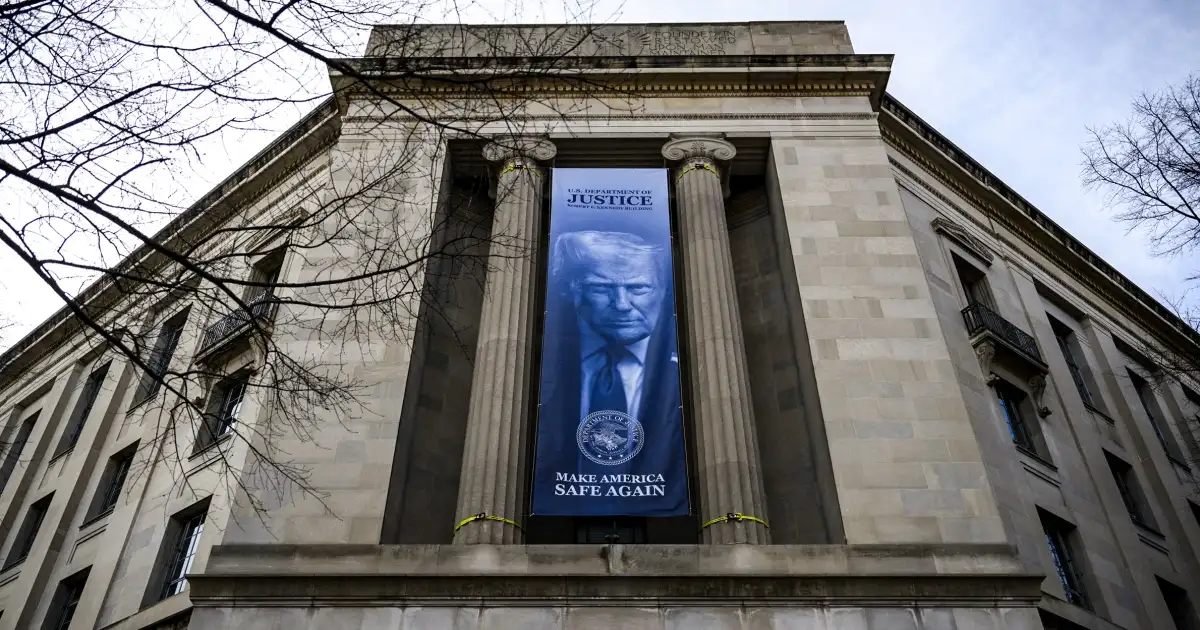
Trump elaborated that while Cuba is a focus, the administration's current "one right now" priority is Iran, emphasizing a preference for addressing major international issues sequentially to avoid errors. He suggested that Rubio would be tasked with negotiating a transition once the situation with Iran is resolved. Trump also noted that he has observed developments in Cuba for many years, viewing the current moment as a potential turning point for the country after "50 years."
Read More: Pentagon Chief Wants David Ellison to Buy CNN Soon
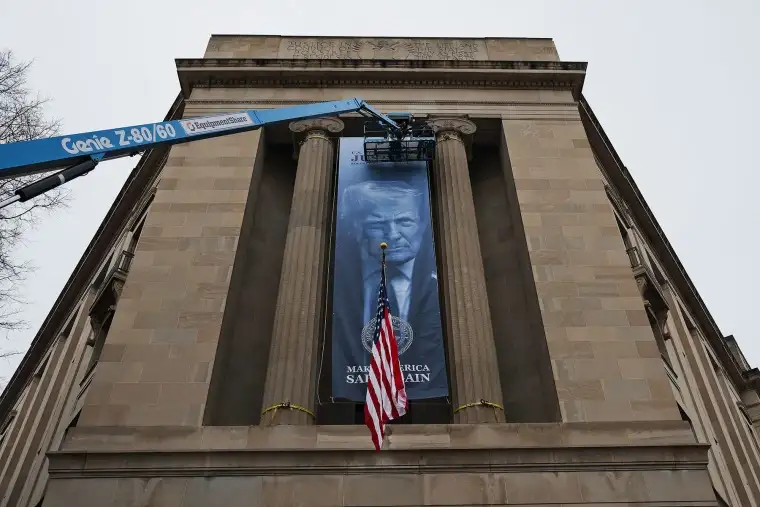
Rubio's Connection and Administration's Strategy
The president’s remarks highlight a longstanding desire within both his administration and Rubio's personal history to see a change in Havana's political structure. Rubio, the son of Cuban immigrants, has historically expressed a strong sentiment for overthrowing the existing regime. Trump lauded Rubio, suggesting his heritage makes him uniquely suited for such a task, stating it's "in his DNA."
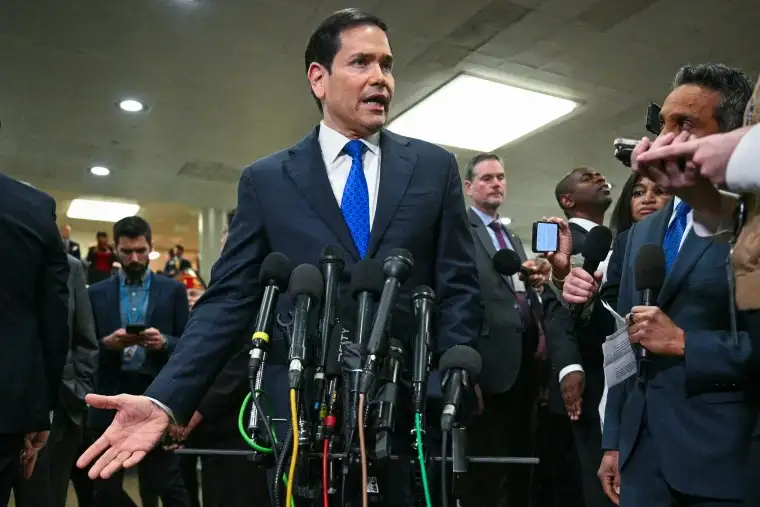
The administration's exploration of potential criminal charges against Cuban officials, as reported by NBC News, may coincide with these public statements, signaling a multi-pronged approach. Some analysts, however, have noted a lack of clear exposition from the Trump administration regarding the specific methodology for transitioning Cuba from its communist governance to a democratic system. The strategy, as articulated by some in the administration, might extend beyond Cuba, with Nicaragua also mentioned as a nation that could draw significant attention.
Read More: Cuba Closes Quito Embassy After Ecuador Expels All Diplomats
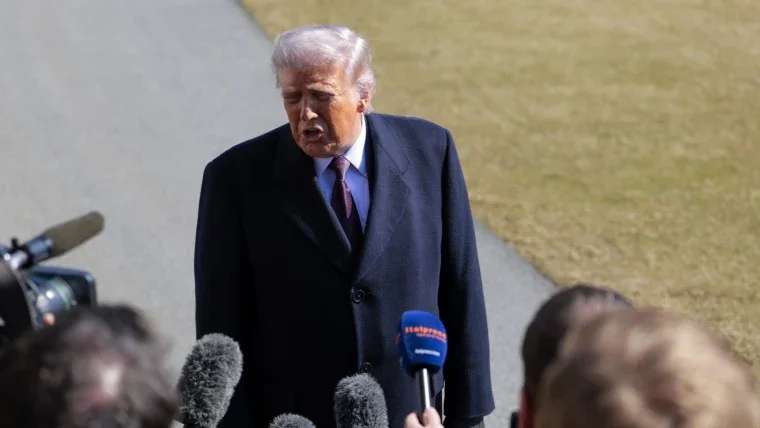
Context of International Pressure
These statements come amid existing economic hardship in Cuba, exacerbated by United States pressure. The administration’s increased attention to Cuba's government has been particularly noticeable since actions taken regarding Venezuela, a close ally of Havana. While Cuban government officials have previously denied any ongoing negotiations with the U.S., their recent public commentary on the matter remains limited.
Trump’s assertion that Cuba is ready for change after 50 years of its current system implies a belief that the regime is nearing a point of collapse or significant capitulation. The "we’ve got plenty of time" qualifier suggests a measured approach, avoiding rapid, potentially destabilizing actions. This perspective is shared by some figures outside the administration, such as Orlando Gutierrez Boronat of the Assembly of the Cuban Resistance, who advocates for sustained pressure on the Cuban government.
Read More: Trump Reverses Biden Rules on Environment and Labor Starting January 2025