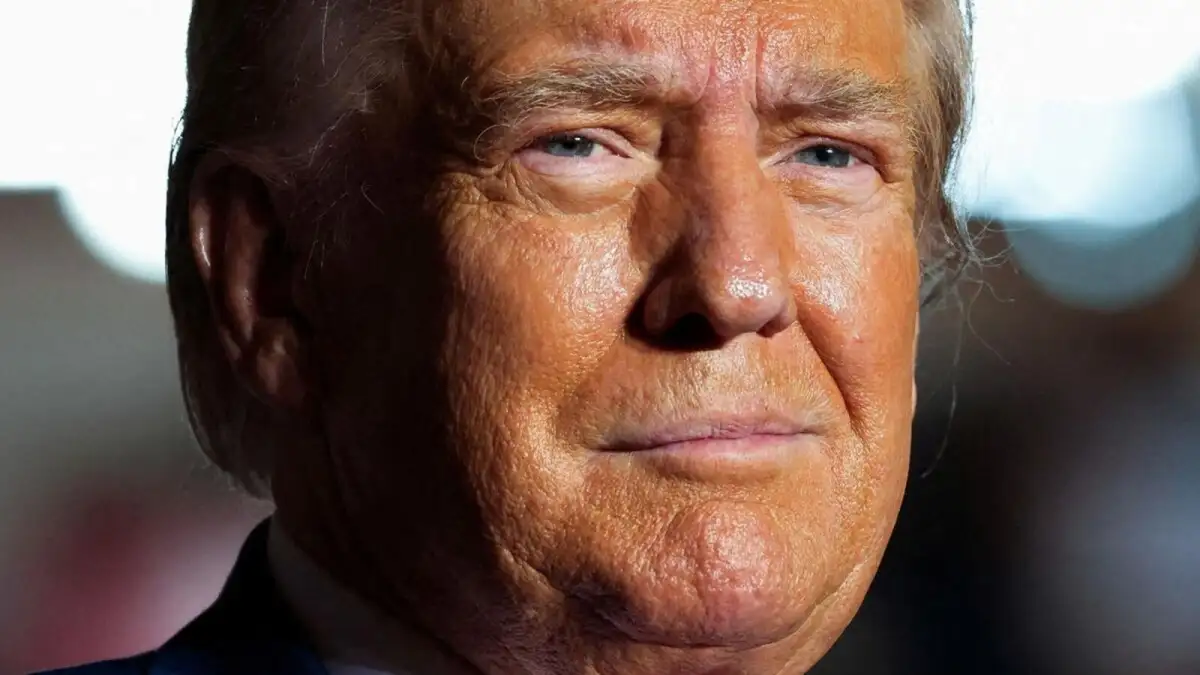
The former President Donald Trump has once again thrown a seismic shockwave through the American political landscape, this time by publicly urging the Republican party to "take over" and "nationalize" elections. This provocative suggestion, made during an appearance on former Deputy FBI Director Dan Bongino's podcast, isn't just rhetorical sparring. It echoes a pattern of rhetoric and action that has consistently challenged democratic norms and institutions. The implications are stark: a potential blueprint to shift control of the very bedrock of our republic from states to a centralized, potentially partisan, federal apparatus. This isn't a distant hypothetical; it's a live-wire proposal with real-world consequences that demand urgent scrutiny.
The seeds of this pronouncement are deeply rooted in Trump's persistent, and largely unsubstantiated, claims of widespread voter fraud. For years, he has relentlessly questioned the integrity of U.S. elections, particularly the 2020 presidential contest, which he continues to insist was "stolen." This narrative, despite being repeatedly debunked by courts, election officials, and even members of his own administration, has become a central tenet of his political platform. His latest call to "nationalize" elections appears to be a direct consequence of this deeply entrenched belief, framing it as a necessary measure to "protect the party" and prevent future perceived malfeasance.
Read More: US 250th Anniversary on July 7, 2026, sees 20% not celebrating
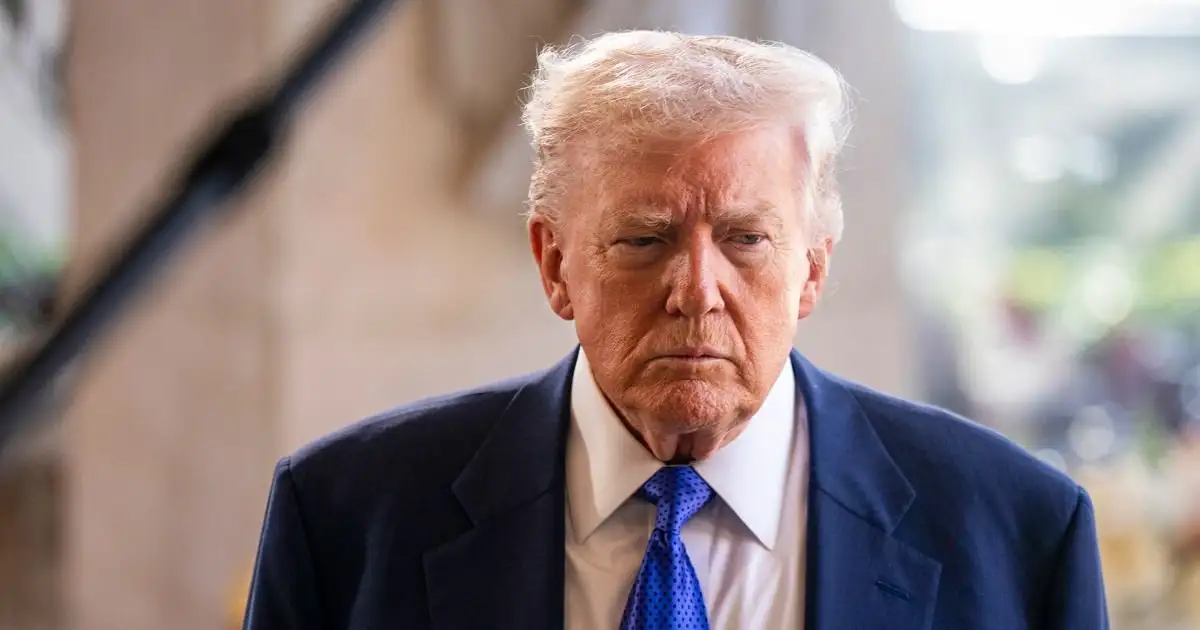
Past incidents offer a chilling preview of what this "nationalization" could entail. We've seen attempts to push for mid-decade redistricting to gain House seats, a clear maneuver to consolidate political power. More alarmingly, bills like the MEGA Act, introduced by House Republicans, propose significant restrictions on voting methods such as universal mail-in voting and ranked-choice voting. Even the Justice Department has been reportedly attempting to obtain voter rolls from various states, a move that has unnerved election officials who see it as an overreach into state-controlled election administration. These actions, viewed in isolation, might seem disparate, but when juxtaposed with Trump's latest call, they form a cohesive, if disturbing, picture of a concerted effort to reshape the electoral landscape.
The Language of Control: "Nationalize" and "Take Over"
Trump's chosen words – "nationalize" and "take over" – are not accidental. They carry immense weight, suggesting a fundamental shift in how elections are managed.
Read More: Trump says Vance-Rubio ticket would be "unbeatable" for 2028

"Nationalize": This implies bringing something under the control of the national government, rather than state or local authorities. In the context of U.S. elections, this directly challenges the established constitutional framework where states primarily administer elections.
"Take Over": This is even more forceful, suggesting a forceful seizure of control. It paints a picture of wresting authority from existing bodies, not merely overseeing them.
These phrases aren't about improving efficiency or accessibility; they are about centralized command and control. Why this specific language? What does Trump envision as the mechanics of this "national takeover"? And critically, who would wield the power under such a system?
Historical Echoes and Precedent of Suspicion
This isn't the first time Trump has signaled an interest in exerting federal control over election processes. His rhetoric has consistently been a siren song for those seeking to undermine faith in the electoral system.

2020 Election Aftermath: Following the 2020 election, Trump and his allies launched numerous legal challenges and pressure campaigns, attempting to overturn results in key states. While these efforts largely failed in court, they sowed widespread doubt about election integrity.
Executive Orders: As noted by CNN, Trump has previously signed executive orders that appeared to circumvent legal and constitutional prohibitions against presidential control of the election system. These actions, though perhaps less direct than a "nationalization" call, demonstrated a clear intent to exert federal influence.
"Unquestioned Loyalty": The CNN analysis highlights a concerning pattern: when Trump makes threats or signals intent regarding elections, his past actions suggest it's wise to heed them. This is often facilitated by individuals within his orbit who exhibit "unquestioned loyalty," bypassing established checks and balances.
Are these merely bold statements, or are they deliberate articulations of a long-term strategy? What specific constitutional mechanisms, if any, does Trump believe would permit such a federal takeover of state-administered elections?
The Legal and Constitutional Minefield
The U.S. Constitution clearly assigns the states the primary responsibility for administering elections. Article I, Section 4, grants Congress the power to "make or alter such Regulations" regarding elections, but this power is generally understood as a backstop, not a primary authority to dictate the minutiae of voting processes nationwide. Trump's call directly confronts this fundamental division of power.
Read More: Pentagon Staffing Choice: Jan 6 Participant in Sensitive Role

| Constitutional Provision | What it Grants States | What it Grants Congress | Trump's Proposal Implication |
|---|---|---|---|
| Article I, Section 4, Clause 1 | Primary authority to prescribe the "Times, Places and Manner" of holding elections for Senators and Representatives. | Power to "make or alter" these regulations. | Seeks to override state authority, placing it under federal control. |
| 10th Amendment | Reserves powers not delegated to the federal government, nor prohibited to the states, to the states respectively, or to the people. | Powers specifically enumerated in the Constitution. | Appears to disregard state sovereignty in election administration. |
The implications of such a shift are profound. Would a federalized election system be more or less secure? Would it be more or less susceptible to partisan manipulation? The very act of attempting to "take over" state elections raises grave concerns about the erosion of federalism and the concentration of power.
"You think he believes in democracy? The Republicans ought to nationalize the voting. You're going to see some interesting things come out." - Senate Minority Leader Chuck Schumer, in response to Trump's comments.
The Role of Allies and Legislation
Trump's call to "nationalize" elections doesn't exist in a vacuum. His allies in Congress are actively pursuing legislation that aligns with his broader election-related priorities.
The MEGA Act: This bill, introduced by House Republicans, exemplifies the push for restrictive voting measures. Banning universal mail voting and ranked-choice voting are key components that could significantly alter access and the nature of balloting.
Other Legislative Efforts: The pursuit of voter roll data by the Justice Department, under circumstances that alarm election officials, suggests a broader federal interest in scrutinizing and potentially influencing state election practices.
These legislative moves, coupled with Trump's direct appeals, suggest a coordinated strategy. What is the ultimate goal of these combined efforts? Is it truly about election integrity, or is it about consolidating Republican control by manipulating the rules of engagement?
Conclusion: A Looming Threat to Democratic Processes?
Donald Trump's call for Republicans to "nationalize" and "take over" elections is more than just hyperbole. It is a clear and present danger to the established, albeit imperfect, system of democratic governance in the United States. His persistent, unsubstantiated claims of fraud have paved the way for this radical proposal, which directly challenges the constitutional authority of states to manage their own elections.
Read More: Trump Uses Foreign Law Tactics Against Critics in US
The historical context is crucial: we have seen a pattern of actions and rhetoric aimed at undermining election integrity and asserting federal control. From past legal challenges to legislative proposals like the MEGA Act, the groundwork is being laid for a significant power grab.
The central questions remain:
What specific mechanisms does Trump envision for this "national takeover"?
How would such a system align with or contort existing constitutional principles?
What are the tangible risks to democratic participation and the rule of law if such a plan were to be pursued?
The time for passive observation is over. The stakes are too high, and the potential for irreparable damage to the democratic fabric of the nation is too real. Voters, policymakers, and legal experts must engage with these pronouncements not as political theater, but as a genuine threat that demands robust defense of established electoral processes and constitutional boundaries. The integrity of our elections, and by extension, our republic, hangs in the balance.
Sources:
The Guardian: https://www.theguardian.com/us-news/2026/feb/03/trump-republicans-nationalize-elections-midterms
ABC News: https://abcnews.go.com/Politics/trump-urges-republicans-nationalize-voting/story?id=129793658
NBC News: https://www.nbcnews.com/politics/elections/trump-republicans-nationalize-elections-rcna257098
Democracy Docket: https://www.democracydocket.com/news-alerts/trump-calls-on-gop-to-nationalize-the-voting/
Los Angeles Times: https://www.latimes.com/politics/story/2026-02-02/trump-says-federal-government-should-take-over-state-elections
CNN Politics: https://www.cnn.com/2026/02/03/politics/when-trump-makes-election-threats