


President Donald Trump has declared a series of significant achievements, framing them as definitive victories for his administration. These declarations, particularly concerning economic policy and foreign interventions, are met with considerable public and expert doubt, raising questions about the tangible impact versus perceived success.
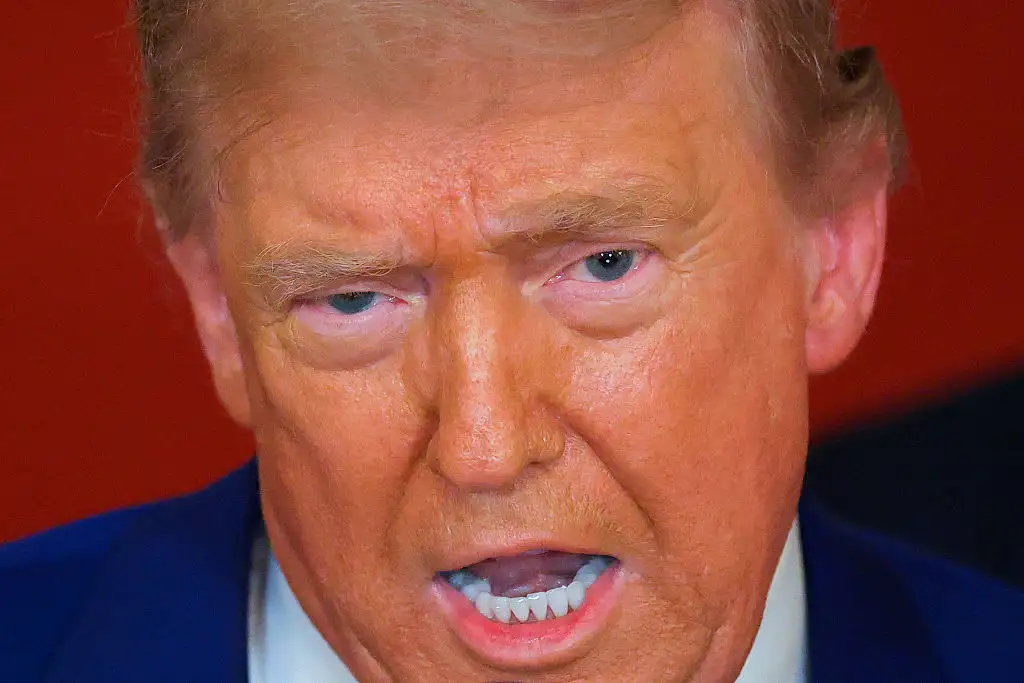
The Trump White House has asserted that every major campaign promise has been delivered, marking his first year back in office with claims of ushering in a "Golden Age of America." The administration points to a successful strike on Iran, which they say ended its nuclear program, and the capture of Venezuelan dictator Nicolás Maduro as key accomplishments. Immigration, border security, and strengthening the U.S. economy through energy and trade policies are cited as fulfilled platform planks. America, according to the administration, is now "respected" and "stronger than ever before."
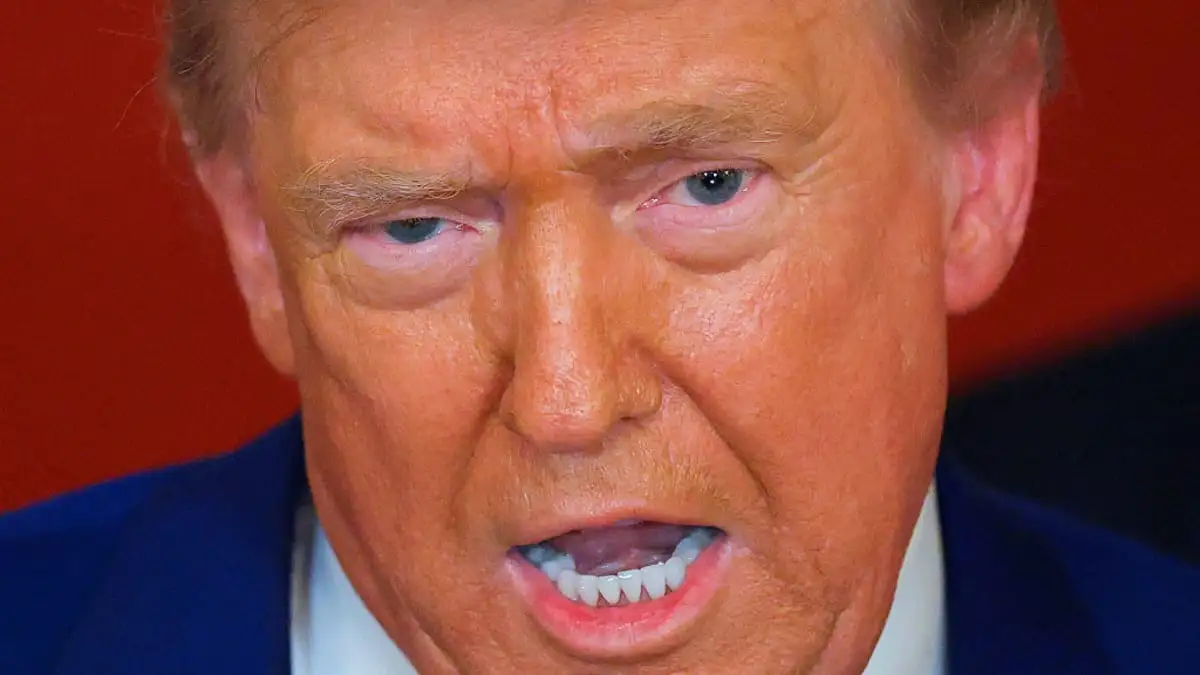
However, these pronouncements run counter to widespread public sentiment and expert analysis. Reports indicate a stark contrast between Trump's claims of an economic boom and the public's perception of their financial realities. Despite Trump's assertions of reduced inflation, evidence suggests that inflationary pressures persist, a concern that even his predecessor, Joe Biden, acknowledged without the same level of aggressive touting of success. Economists, in particular, have expressed skepticism regarding the effectiveness of Trump's trade policies, specifically his use of tariffs.

Economic Declarations Under Scrutiny
The narrative of economic triumph is particularly contested. Trump has claimed credit for a manufacturing resurgence, a claim that appears to exist primarily in his own rhetoric, as observable data does not support widespread prosperity. His administration's embrace of tariffs, initially presented as a tool for national security and economic leverage, has been met with professional disagreement. Experts who predicted adverse outcomes from these tariffs found their warnings largely ignored, while the actual economic fallout is being presented by the administration as a success story.
Foreign Policy Assertions
In foreign affairs, the declaration of success regarding Iran's nuclear program is also subject to debate. US intelligence assessments prior to the strike indicated that Iran had no active plans to develop a nuclear weapon, though the capability existed. Trump declared the bombing of Iran's nuclear sites a "spectacular military success," asserting "completely and totally obliterated" status, a description reminiscent of past, similarly absolute pronouncements that later proved complex. The capture of Nicolás Maduro is presented as another foreign policy win, alongside the supposed end to Iran's nuclear ambitions.
Domestic Policy and Political Strategy
On the domestic front, Trump's approach to internal dissent, particularly exemplified by actions in Minneapolis, is framed as a "drawdown" from a broader "war on terror" targeting perceived "enemies from within." This strategy, characterized by a militarized response and rhetoric treating political opponents as combatants, is reportedly being scaled back due to public backlash and the political cost incurred. The administration's internal assessments suggest that continuing the aggressive stance in Minneapolis was hindering their ability to implement similar measures elsewhere, prompting a strategic adjustment rather than an admission of defeat.
Background
The pronouncements of "Mission Accomplished" by President Trump evoke historical echoes, notably from the presidency of George W. Bush. Trump's assertive declarations of victory across various domains – economic, foreign, and domestic security – are delivered in an environment where public perception and expert analysis often diverge significantly from the administration's official narrative. This dynamic highlights a recurring tension between stated governmental objectives and their observable, lived consequences.