


A congressional firestorm has been ignited following claims by U.S. Congressman Eric Burlison that an intelligence insider warned him of potential assassination risks for probing 'alien secrets'. This disclosure, emerging amid broader public and congressional demands for transparency regarding Unidentified Anomalous Phenomena (UAP), has prompted urgent calls for access to specific UFO-related files and metadata from the Department of Energy by members of the House Oversight and Intelligence Committees.
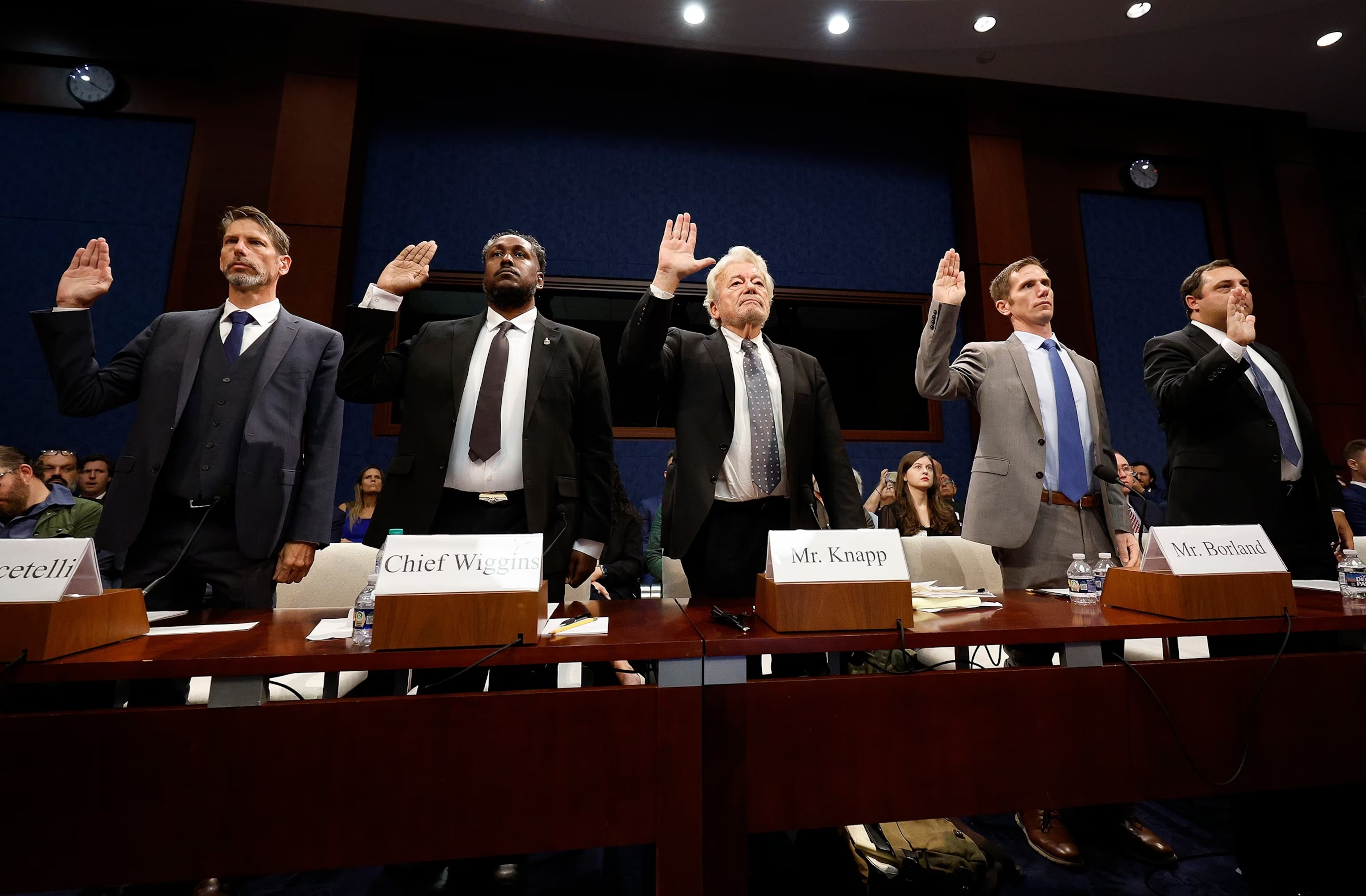
Allegations that a lawmaker could face assassination over UFO investigations underscore the high stakes involved in probing claims of non-human intelligence and classified government programs.
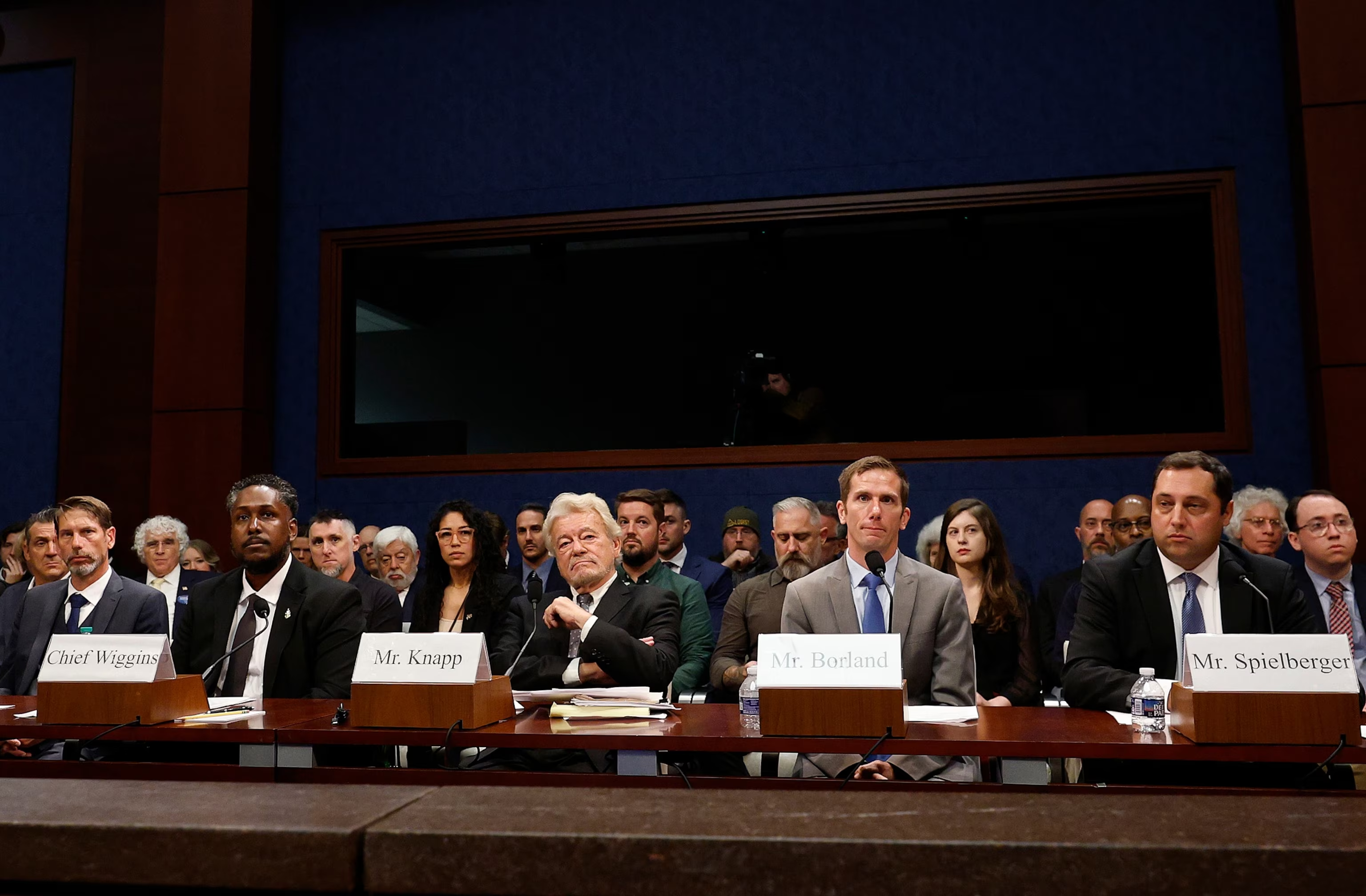
Key House members, including Anna Paulina Luna, Tim Burchett, Nancy Mace, André Carson, Eli Crane, Scott Perry, and Suhas Subramanyam, have formally requested access to classified documents and metadata from the Department of Energy. This push for information is fueled by prior testimony from former intelligence official David Grusch, who alleged the existence of a multi-decade U.S. program involving the retrieval and reverse engineering of UAPs. The Pentagon has repeatedly denied these claims, with officials stating they have not found evidence of "alien origin" for observed phenomena, despite receiving hundreds of new reports.
Read More: Tiruchi Traffic Jam on Monday Due to DMK Meeting at Siruganur

Escalating Demands for Transparency
The controversy deepens with whistleblower accounts, like Grusch's, highlighting a perceived concealment of a longstanding program. Grusch himself has spoken of facing retaliation for coming forward. While some critics question the veracity of these claims, dismissing them as potential exaggerations, supporters maintain that such warnings reflect the gravity of investigating programs related to extraterrestrial technology and potential cover-ups. This situation underscores a persistent public and political interest in these matters.
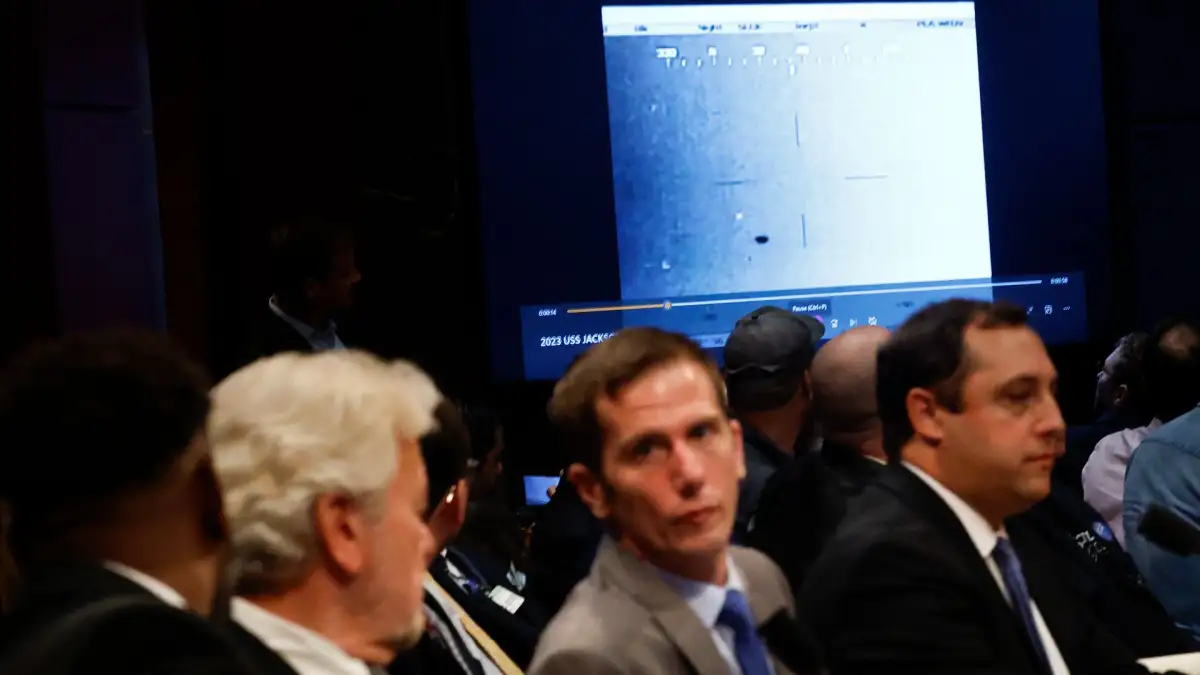
A congressional hearing recently featured the presentation of previously unseen video footage, depicting what appeared to be an impact on an unidentified object. Questions were raised about the object's trajectory and whether it posed a threat to U.S. Naval ships operating in a combat zone, particularly amidst ongoing engagements with Houthi forces.
Read More: Opposition Walks Out of Parliament Budget Session During West Asia Statement
Critiques of Pentagon's UFO Office
Furthermore, UAP witnesses have voiced criticism of the Pentagon's UFO office, suggesting that the agency is perhaps too quick to attribute explanations using scientific methods, rather than acknowledging the unknown. Experts from leading UAP/UFO research groups have called for adequate government funding for UAP research, which they argue remains largely unavailable. The core issue of restoring public trust through transparency and robust whistleblower protections remains central to these discussions.
Congress, in response to these mounting concerns, has pushed for greater transparency regarding UAPs. A significant development occurred when the Senate approved language within the Intelligence Authorization Act aimed at enhancing transparency, investigative efforts, and whistleblower protections. Lawmakers like Marco Rubio have urged a mature and open approach to reviewing the evidence without prejudgment.
Background on the UAP Discourse
The discourse surrounding Unidentified Aerial Phenomena (UAP) and Unidentified Flying Objects (UFOs) has seen a significant surge in congressional attention. Former military personnel and intelligence officials have provided testimony, stirring further questions. The debate has moved beyond mere sightings, encompassing allegations of classified programs and potential reverse-engineering of non-human technology. This heightened scrutiny follows decades of varying levels of government acknowledgment and investigation into phenomena that defy conventional explanation.
Read More: Denmark Election Overseas Votes Delayed by Middle East Chaos